 ultimate-guide
Honda Civic Maintenance Cost Over 5 Years
Table of Contents
- Honda Civic Maintenance Cost Over 5 Years: What to Expect
- Honda Civic Maintenance Schedule and Service Intervals
- Honda Civic Maintenance Cost Per Year Breakdown
- Honda Civic 30,000-Mile Service Cost and What's Included
- Honda Civic 60,000-Mile Service Cost and Major Maintenance
- Common Honda Civic Repairs and Unexpected Costs
- Dealer Service vs. Independent Repair: Cost Differences
- How to Reduce Honda Civic Maintenance Costs
- Frequently Asked Questions
Last Updated: October 10, 2026
Honda Civic Maintenance Cost Over 5 Years: What to Expect
Understanding Honda Civic maintenance cost over 5 years helps you budget properly and avoid surprises. At Speedy Roo Motorsports, we can tell you that most owners underestimate their long-term costs.
Honda Civic maintenance cost over 5 years includes routine scheduled services (oil changes, tire rotations, filter replacements) and unexpected repairs that vary based on driving habits, vehicle condition, and mileage.

Honda Civic Maintenance Schedule and Service Intervals
Following Honda's recommended service intervals is essential for long-term reliability and resale value.
The standard Honda Civic maintenance schedule includes:
- Every 1,000 miles or monthly: Check fluid levels, tire pressure, and lights
- Every 10,000 miles or 12 months: Oil and filter change
- Every 20,000 miles: Replace engine air filter (every other oil change)
- Every 30,000 miles: Transmission fluid inspection
- Every 60,000 miles: Major service including transmission fluid change and spark plug inspection
- Every 105,000 miles: Replace spark plugs and transmission fluid
- Every 110,000 miles: Replace engine coolant
Routine Services and Inspection Points
Routine services include oil changes, filter replacements, fluid top-ups, and visual inspections. Oil changes prevent sludge buildup and engine wear. Tire rotations extend tire life by promoting even wear. Air filter replacements improve engine efficiency and fuel economy. Brake inspections identify wear before pads fail completely.
Honda Civic Maintenance Cost Per Year Breakdown
Year-to-year maintenance costs vary based on which services and repairs fall due each year.
Assumptions for this breakdown:
- Vehicle: 2021-2023 Honda Civic (gas, automatic transmission)
- Annual mileage: 12,000 miles per year (60,000 total over five years)
- Service location: Independent repair shop (labor rates approximately $85-$110 per hour)
- Parts: OEM or equivalent aftermarket quality
- No major accidents, flood damage, or severe neglect
- Regional labor and parts costs are typical for the Midwest and South; coastal and urban areas may run 15-25% higher
Hybrid Civic models may have slightly lower brake wear (regenerative braking) but higher battery-system inspection costs.
Honda Civic 30,000-Mile Service Cost and What's Included
The 30,000-mile service includes oil and filter change, tire rotation, engine air filter replacement, transmission fluid inspection, coolant system check, brake system visual inspection, and battery condition assessment. This service takes longer than routine oil changes because technicians perform more thorough inspections, identifying potential issues before they become expensive repairs.
Honda Civic 60,000-Mile Service Cost and Major Maintenance
The 60,000-mile service includes oil and filter change, tire rotation, transmission fluid and filter change, spark plug inspection, engine coolant system flush and refill, brake fluid inspection, air conditioning system check, and suspension component inspection. The transmission fluid change is the primary cost driver at this interval.
Common Honda Civic Repairs and Unexpected Costs
Beyond scheduled maintenance, unexpected repairs happen. Understanding common failure points, their likelihood, typical costs, and urgency helps you prioritize spending and avoid catastrophic failures.
Brake Pads and Rotors
- Likelihood: Very high; nearly all Civics need brake service within 5 years
- Timeline: First replacement typically between 25,000-50,000 miles
- Urgency: Soft or spongy pedal requires immediate inspection. Grinding noise means rotors are already damaged
- Prevention: City driving accelerates wear; avoid riding the brake on downhill grades
Battery Replacement
- Likelihood: High; most original batteries fail between 3-5 years
- Timeline: More common in cold climates and with frequent short trips
- Urgency: Have it tested before it fails completely
- Prevention: Turn off lights and accessories when engine is off. Keep battery terminals clean
Alternator Failure
- Likelihood: Moderate; typically occurs after 100,000+ miles
- Timeline: Warning signs include dimming lights, slow engine cranking, or dashboard battery warning light
- Urgency: High. Address immediately if warning light appears
- Prevention: Keep battery terminals clean
Water Pump Failure
- Likelihood: Low to moderate; possible after 80,000 miles
- Timeline: Warning signs include coolant leaks, overheating, or grinding noise
- Urgency: Critical. Continued driving causes engine overheating and potential head gasket failure
- Prevention: Follow coolant flush schedule. Monitor coolant level monthly
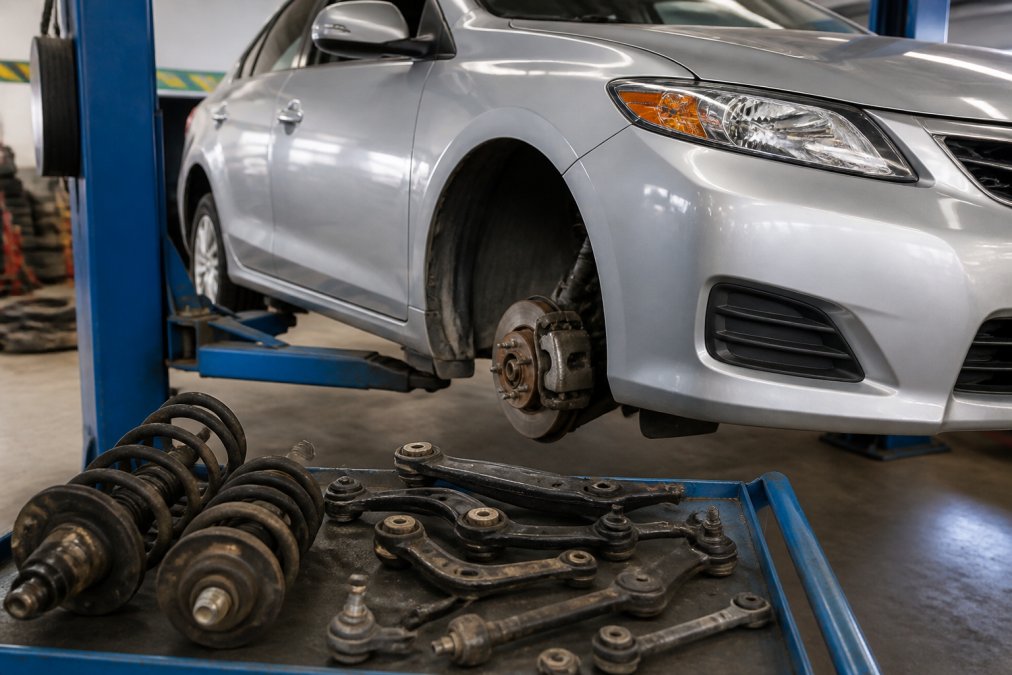
Suspension Components (Struts, Control Arms, Bushings)
- Likelihood: Moderate; wear accelerates on rough roads and potholes
- Timeline: First signs appear between 50,000-100,000 miles
- Urgency: Medium. Schedule service within a few weeks if you notice clunking sounds
- Prevention: Avoid potholes. Maintain proper tire pressure and alignment
Transmission Issues
- Likelihood: Very low with proper maintenance
- Timeline: Typically occurs after 150,000+ miles if maintenance is neglected
- Urgency: Critical if transmission slips, hesitates, or leaks fluid
- Prevention: Follow transmission fluid change intervals. Avoid towing heavy loads
Engine Air Filter and Cabin Air Filter
- Likelihood: High; filters clog predictably
- Timeline: Replacement every 15,000-30,000 miles
- Urgency: Low
- Prevention: Inspect filters during routine maintenance
Spark Plugs
- Likelihood: High; spark plugs wear predictably
- Timeline: Replacement typically due at 105,000 miles
- Urgency: Medium. Address within a few weeks if symptoms appear
- Prevention: Follow manufacturer intervals
Distinguishing Urgent from Routine Repairs
Some repairs can wait a few weeks; others require immediate attention to prevent catastrophic damage:
- Address immediately: Engine overheating, transmission slipping, brake failure, steering problems, electrical fires, or any warning light accompanied by unusual sounds or loss of power
- Address within a week: Coolant or oil leaks, battery warning light, brake warning light, or suspension clunking
- Address within a month: Worn brake pads (if not metal-to-metal grinding), air filter replacement, worn wiper blades, or minor suspension wear
- Can schedule at next service: Routine filter replacements, tire rotation, fluid top-ups, or cosmetic issues
Building an Emergency Repair Fund
Most owners should budget for unexpected failures. This cushion prevents financial stress when a water pump, alternator, or suspension component fails unexpectedly.
Dealer Service vs. Independent Repair: Cost Differences
This is where many Honda Civic owners find significant savings. Dealership service costs substantially more than independent repair shops for identical work, yet the quality of service can be comparable. Choosing a local shop often highlights the broader independent repair facility benefits that extend beyond simple cost comparisons to include more personalized vehicle care.
Dealerships charge premium labor rates due to brand affiliation and warranty coverage. For warranty-covered repairs on newer vehicles, the dealership is your only option.
Many owners also worry about losing warranty coverage by using independent shops. This is a misconception. Federal law protects your warranty regardless of where you service your vehicle, provided the work is done properly using appropriate parts (Auto Warranties and Auto Service Contracts). Using aftermarket parts instead of OEM parts won't void your warranty either, though OEM parts often provide better long-term reliability.
How to Reduce Honda Civic Maintenance Costs
Smart ownership practices lower your Honda Civic maintenance cost over 5 years without sacrificing reliability. These strategies work whether you service at a dealership or independent shop.
Follow the maintenance schedule religiously. Skipping services creates a false savings that evaporates when major repairs arrive. Preventive maintenance costs a fraction of reactive repairs. Use quality oil and filters; cheap replacements save dollars but cost hundreds in engine wear. Keep tire pressure at manufacturer specifications; underinflated tires wear faster and reduce fuel economy. Drive smoothly; aggressive acceleration, hard braking, and rapid gear changes accelerate component wear.
Monitor your vehicle's condition between services. Listen for unusual sounds, watch for warning lights, and note any changes in performance. Early detection prevents small issues from becoming expensive ones. Keep your Civic clean, especially the undercarriage in winter; salt and moisture accelerate corrosion.
Consider preventive replacements before failure. Brake fluid absorbs moisture over time and should be flushed every two years. Transmission fluid degrades even with proper maintenance. Coolant loses effectiveness over time. These relatively inexpensive preventive services extend component life and prevent costly failures.
The Honda Civic is one of the most reliable vehicles on the road, and understanding your maintenance costs helps you keep it that way. Whether you're planning a purchase or already own a Civic, knowing what to expect financially makes ownership stress-free. When you're ready to service your Honda Civic, Speedy Roo Motorsports provides transparent, honest maintenance and repair service for Japanese automobiles throughout the Denver Metro area. We handle every aspect of your Civic's care, from routine oil changes to complex diagnostics, with the expertise you deserve and the respect you expect. Contact us for a maintenance consultation and discover why thousands of owners trust us with their vehicles.
Frequently Asked Questions
How much does it cost to maintain a Honda Civic over five years?
Total Honda Civic maintenance cost over 5 years depends on mileage, model year, and whether you use a dealer or independent shop. This covers oil changes, tire rotations, fluid replacements, and major services at 30,000 and 60,000 miles. Unexpected repairs can also occur. Actual costs vary based on your driving habits, local labor rates, and whether you address issues proactively or wait until they fail.
How much does Honda Civic maintenance cost per year?
Average Honda Civic maintenance cost per year varies for scheduled service. Years with major services (like the 60,000-mile inspection) cost more; routine years cost less. Costs also depend on your specific model year and transmission type, as some require different service intervals.
What's included in a Honda Civic 30,000-mile service, and what does it cost?
The Honda Civic 30,000-mile service includes an oil and filter change, tire rotation, brake inspection, fluid top-ups, and a general safety check. The 30,000-mile mark is when you'll also want to inspect your brake pads and suspension components for wear, which may add to the total if replacement is needed.
What maintenance is due at 60,000 miles on a Honda Civic?
The Honda Civic 60,000-mile service is a major maintenance point. It includes everything in the 30,000-mile service plus transmission fluid inspection (or replacement if you have an automatic), spark plug inspection, coolant system check, and a thorough brake system evaluation. Some model years may require spark plug replacement at this interval.
Are Honda Civics expensive to maintain?
Honda Civics are among the most affordable vehicles to maintain. Parts are widely available, and the engines are known for reliability. Independent repair shops specializing in Japanese vehicles often offer competitive pricing on parts and labor, making ownership costs predictable and manageable over the long term.
What unexpected repairs should I budget for during Civic ownership?
Common Honda Civic repairs include brake pad replacement, battery replacement, suspension work like strut replacement, and transmission fluid service. Water pump replacement and alternator issues appear in higher-mileage vehicles. Budgeting for unexpected repairs provides a safety net, though well-maintained Civics often need fewer surprises than this estimate.