 how-to
Honda Specific Maintenance Schedule: A 2026 Owner's Guide
Table of Contents
- How the Honda Maintenance Minder System Works
- Honda Maintenance Minder Codes Decoded (A, B, 1-6)
- Honda Service A vs Service B: What's the Difference?
- Recommended Oil Change Interval for Honda Vehicles
- Normal vs Severe Driving Conditions: Which Schedule Applies to You?
- The Full Honda Specific Maintenance Schedule by Mileage
- DIY vs Professional Service: Cost and Time Comparison
- Climate and Powertrain: Adjusting Your Schedule for Colorado
- Frequently Asked Questions
Last Updated: October 2, 2026
How the Honda Maintenance Minder System Works
The Honda Maintenance Minder is an onboard computer system that tracks your engine oil life and tells you exactly when to schedule service.
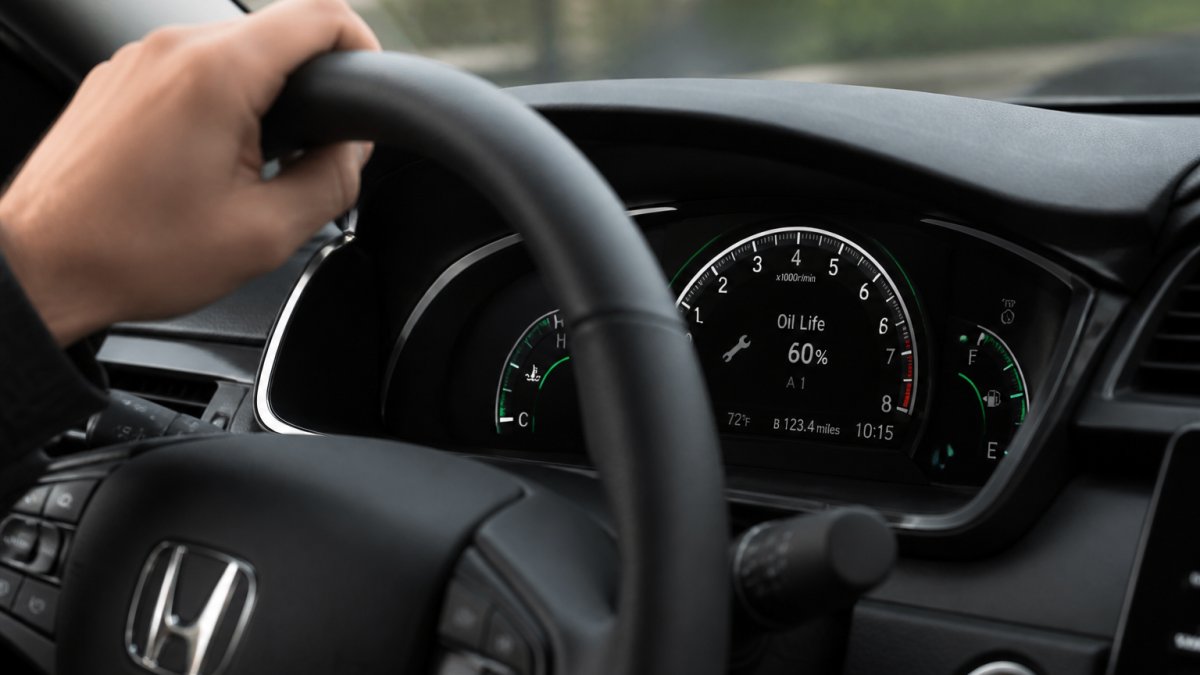
Honda replaced the old paper maintenance chart with this system for a good reason. It watches engine temperature, trip length, and RPM to calculate real wear on your oil.
Most drivers see the minder trigger between 5,000 and 7,500 miles. Short trips and cold starts push that number lower.
What the Oil Life Percentage Actually Tells You
The oil life percentage is a countdown, not a guess. It starts at 100% after a reset and drops based on how you drive.
When it hits 15%, the wrench light comes on. That is your cue to book service within the next few hundred miles. At 0%, you are overdue.
Honda Maintenance Minder Codes Decoded (A, B, 1-6)
Honda Maintenance Minder codes pair a main code (A or B) with a number (1 through 6). The letter tells you the base service. The number tells you what else to add.
| Code | What It Means |
|---|---|
| A | Oil and filter change only |
| B | Oil change plus brake inspection |
| 1 | Rotate tires |
| 2 | Replace air cleaner, check drive belt |
| 3 | Replace transmission fluid, check fuel lines |
| 4 | Replace spark plugs, check valve clearance |
| 5 | Replace coolant |
| 6 | Replace rear differential fluid |
So "A1" means an oil change plus a tire rotation. "B12" adds an air cleaner and drive belt check on top of that.
Honda Service A vs Service B: What's the Difference?
Honda service A vs service B comes down to scope. Service A is the lighter job: engine oil, filter, and a basic check. Service B adds a full brake inspection and a closer look at the chassis.
Service A shows up most often. Service B usually appears every second or third visit. Neither one is optional if you want your warranty and resale value intact.
Recommended Oil Change Interval for Honda Vehicles
The recommended oil change interval for Honda vehicles is whatever your Maintenance Minder says, not a fixed number. Honda built the system to replace the old "every 3,000 miles" rule.
Most owners land between 5,000 and 7,500 miles. Severe driving can drop that to 3,000 to 4,000 miles. Always reset the minder after each change so the countdown starts fresh.
Synthetic vs Conventional Oil: What Honda Actually Requires
Honda engines built after 2011 call for full synthetic oil. Older models can run conventional, but synthetic handles heat better and lasts longer.
Check your owner's manual guidance from Honda before you buy. Using the wrong oil can void coverage on a newer engine.
Normal vs Severe Driving Conditions: Which Schedule Applies to You?
Severe driving conditions cover more drivers than most people think. Stop-and-go traffic, short trips under 5 miles, extreme cold, and heavy towing all count as severe.
If most of your driving is highway cruising at steady speed, you fall under normal conditions. If you sit in Denver-area traffic daily, you are on the severe schedule.
- Short trips that never warm the engine fully
- Stop-and-go commuting
- Extreme heat or cold
- Dusty roads or mountain driving
- Towing or hauling loads
The Full Honda Specific Maintenance Schedule by Mileage
The Honda specific maintenance schedule is driven by your Maintenance Minder, but mileage still matters for planning and budgeting. The minder can only display one main code and up to two sub-codes at a time, so long-interval items like coolant and spark plugs often arrive bundled with a routine A or B service. Use the markers below to anticipate what is coming and to sanity-check the codes your dashboard shows.
30,000, 60,000, and 90,000 Mile Service Breakdown
Around 30,000 miles. Most owners see a B1 or A1 service here, oil and filter, tire rotation, and a brake inspection if the B code is showing.
Around 60,000 miles. Sub-code 4, spark plugs and a valve clearance check on engines that still use mechanical lash adjustment, typically shows up between 60,000 and 105,000 miles depending on engine family.
Around 90,000 miles. Sub-code 5 (engine coolant) is the headline item.
How to Read the Codes at Each Interval
A few patterns hold across most Honda models:
- A1 / B1 is the most common pairing you will see. It is the baseline oil-and-rotation service.
- A12 / B12 adds the air cleaner and drive belt inspection, usually the first "extra" you encounter.
- A13 / B13 signals transmission fluid. On CVT-equipped models this is a drain-and-fill, not a flush.
- B14 / A14 brings spark plugs into play. Expect this in the 60,000-105,000 mile range.
- A15 / B15 is coolant. Do not skip it, old coolant loses its corrosion inhibitors long before it looks dirty.
- A16 / B16 is rear differential fluid, AWD and 4WD models only.
DIY vs Professional Service: Cost and Time Comparison
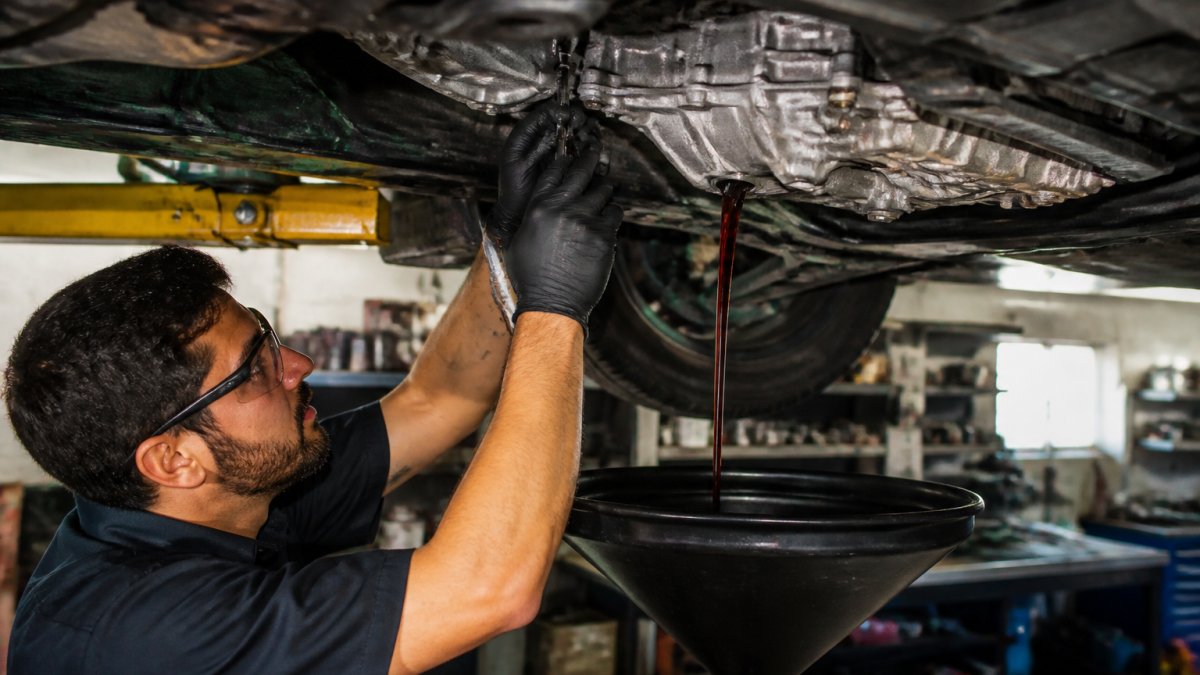
DIY vs professional service is a real trade-off, not a clear win either way. An oil change at home saves money but costs you an afternoon and a disposal run.
| Task | DIY Time | Pro Time | Best For |
|---|---|---|---|
| Oil and filter | 45-60 min | 30-45 min | Most owners |
| Tire rotation | 30 min | 20 min | Owners without a jack |
| Air cleaner | 10 min | 5 min | Easy DIY |
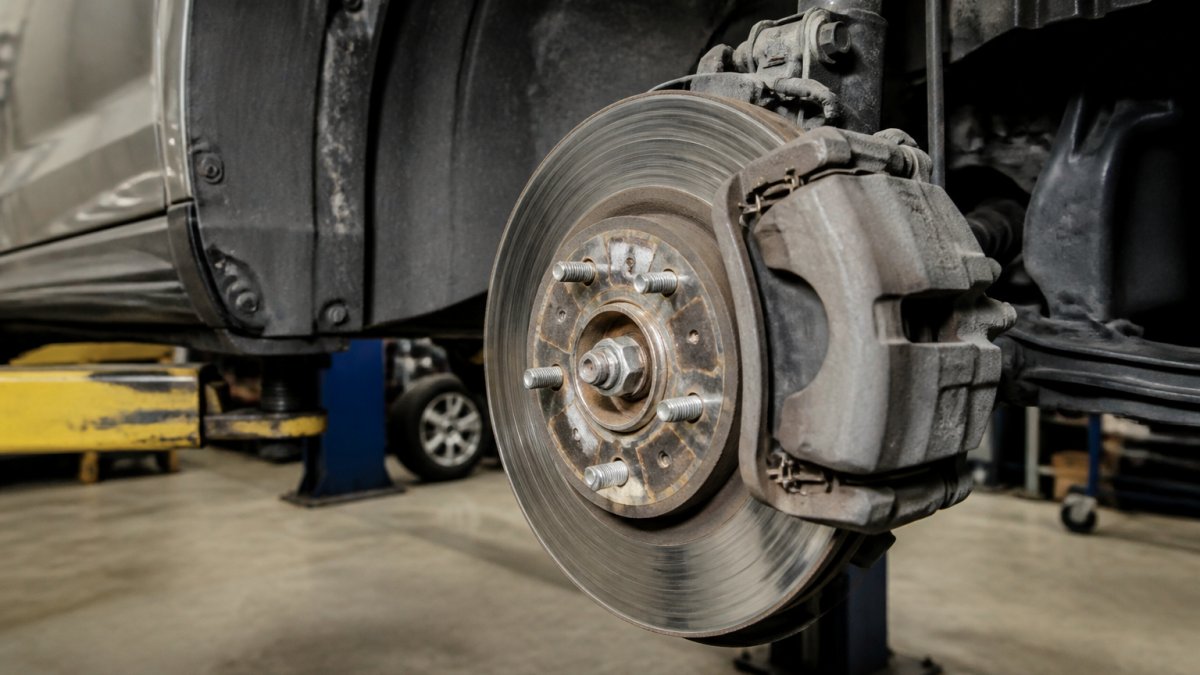
| Brake inspection | Not advised | 30 min | Safety-critical |
| Transmission fluid | Hard | 45 min | Pro only |
Some jobs are worth doing yourself. Brake and transmission work is not one of them.
That is where a shop that knows Japanese vehicles pays off. At Speedy Roo Motorsports, our techs have worked on Honda and Acura models since 2002, so they read your service codes fast and get the job done right.
Climate and Powertrain: Adjusting Your Schedule for Colorado
Most Honda maintenance guides stop at "severe conditions" and leave you to guess what that means for your zip code. Two variables change your real-world intervals more than anything else: the climate you drive in and the powertrain under the hood. Here is how to adjust for both.
Climate Adjustments: Cold, Heat, and Road Salt
Cold winters. Every cold start below freezing counts as a severe-condition trigger in Honda's own definition.
Hot summers. Sustained heat above roughly 90°F accelerates oil oxidation and stresses the cooling system.
Road salt and brine. Salt does not change your fluid intervals, but it changes your inspection list.
Dust and altitude. Gravel roads and construction zones clog the air cleaner element faster than the minder's default interval assumes.
Hybrid and Electric Powertrains: A Different Checklist
Honda's hybrid and battery-electric models still use a Maintenance Minder, but the code set and the intervals shift.
Hybrids. The gasoline engine runs less, so oil changes stretch, many hybrid owners see the minder trigger closer to 7,500-10,000 miles under normal use. But the engine still needs oil changes on a time basis even if mileage is low, because oil degrades with age and moisture, not just miles. The bigger hybrid-specific items are:
- Regenerative braking means friction brakes engage less often, so pads and rotors can last far longer than on a conventional car. The trade-off is that calipers and rotors corrode from disuse, especially in salted-road climates. Have them inspected annually even if pad thickness looks fine.
- Battery cooling, hybrid battery packs have their own cooling fans and filters. A clogged battery cooling filter is a common, cheap-to-fix cause of reduced battery performance. Check it at every oil service.
- Inverter coolant is a separate cooling circuit from engine coolant on most Honda hybrids. It has its own replacement interval, do not assume an engine coolant service covers it.
Battery-electric models. There is no engine oil, no spark plugs, and no transmission fluid in the traditional sense. The schedule collapses to:
- Tire rotation and pressure checks, still the most frequent item, and more important than on a gas car because EVs are heavier and wear tires faster.
- Brake fluid replacement on the same time-based interval as gas models.
- Cabin air filter replacement.
- Battery health checks and software updates at the dealer or a qualified shop.
- Coolant service for the battery thermal management loop, on its own interval.
Honda owner's manuals and maintenance schedules by model year
Frequently Asked Questions
What is the 30-60-90 rule for car maintenance?
The 30-60-90 rule is a general guideline that suggests inspecting or replacing certain components at 30,000, 60,000, and 90,000 miles. For a Honda, this aligns with the Maintenance Minder system's major service intervals. At 30,000 miles, expect a tire rotation, brake inspection, and air filter check. At 60,000 miles, add transmission fluid, spark plugs (on some models), and coolant replacement. At 90,000 miles, the timing belt (if equipped) and water pump may need attention. Always follow your Honda's specific schedule in the owner's manual.
Is the 60,000 mile service necessary for a Honda vehicle?
Yes, the 60,000 mile service is a critical milestone for your Honda. It typically includes replacing the engine oil and filter, rotating tires, inspecting brake components, and replacing the air cleaner element and pollen filter. Depending on your model, it may also require transmission fluid, coolant, and spark plug replacement. Skipping this service can lead to reduced fuel economy, poor performance, and costly repairs down the road. Following the Honda specific maintenance schedule at this interval helps preserve your vehicle's reliability and resale value.
What is the difference between Honda Maintenance A and B?
Honda Maintenance A and B are the two main service categories from the Maintenance Minder system. Service A is the basic oil and filter change, typically performed when the oil life reaches 15%. Service B is a more comprehensive service that includes the oil and filter change plus a tire rotation, brake inspection, and fluid level checks. The numbers 1 through 6 that follow indicate additional specific services like tire rotation, air cleaner replacement, or spark plug replacement. Your Honda will display the exact combination needed based on your driving conditions.
How does the Maintenance Minder system determine service intervals?
The Maintenance Minder system uses sensors and algorithms to monitor your driving habits, engine temperature, and other factors. It calculates the oil life percentage in real time, so your recommended oil change interval for Honda can vary from 5,000 to 10,000 miles. Short trips, extreme temperatures, and heavy idling can accelerate the countdown. When the oil life reaches 15%, the system displays a service code (like A1 or B12) that tells you exactly what maintenance is due. This personalized approach helps you avoid unnecessary service while protecting your engine.