 how-to
Honda Civic Brake Replacement Cost 2026: What to Expect
Table of Contents
- Honda Civic Brake Replacement Cost 2026: What You'll Pay
- Brake Pad Replacement Interval for Your Civic
- OEM vs Aftermarket Brake Pads: Which One Should You Choose?
- Signs of Worn Rotors and Other Brake Problems
- DIY vs Professional Brake Service: Labor Costs and Safety
- 2026 Civic Model-Specific Brake Nuances
- Total Cost of Ownership: How Brakes Fit Your Civic Budget
- Frequently Asked Questions
Last Updated: October 3, 2026
Honda Civic Brake Replacement Cost 2026: What You'll Pay
If you drive a Honda Civic, you already know it's one of the most reliable cars on the road. But even the most dependable sedan needs brake work eventually. So what does a Honda Civic brake replacement cost in 2026? The answer depends on a few things: whether you go to a dealership or an independent shop, whether you use OEM or aftermarket parts, and whether you're replacing just the pads or the rotors too.
At Speedy Roo Motorsports, we've been working on Japanese vehicles since 2002, and the Civic is one of the most common cars we see. Here's the honest breakdown.
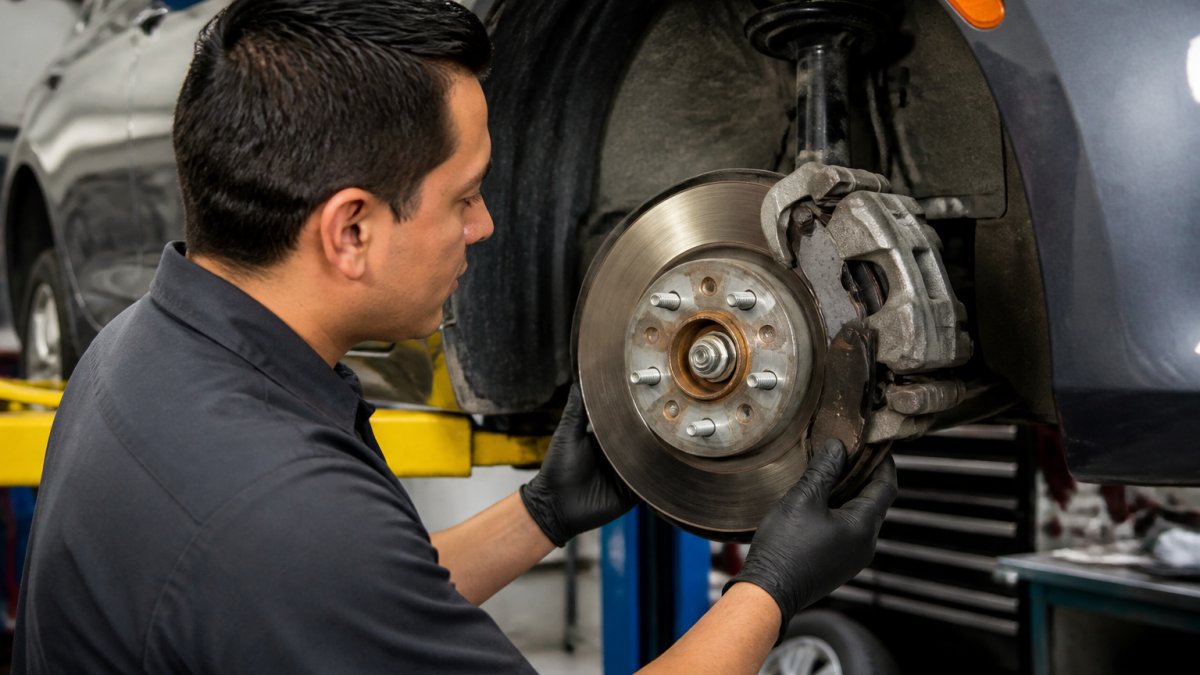
Brake work isn't one flat fee. It's a mix of parts and labor:
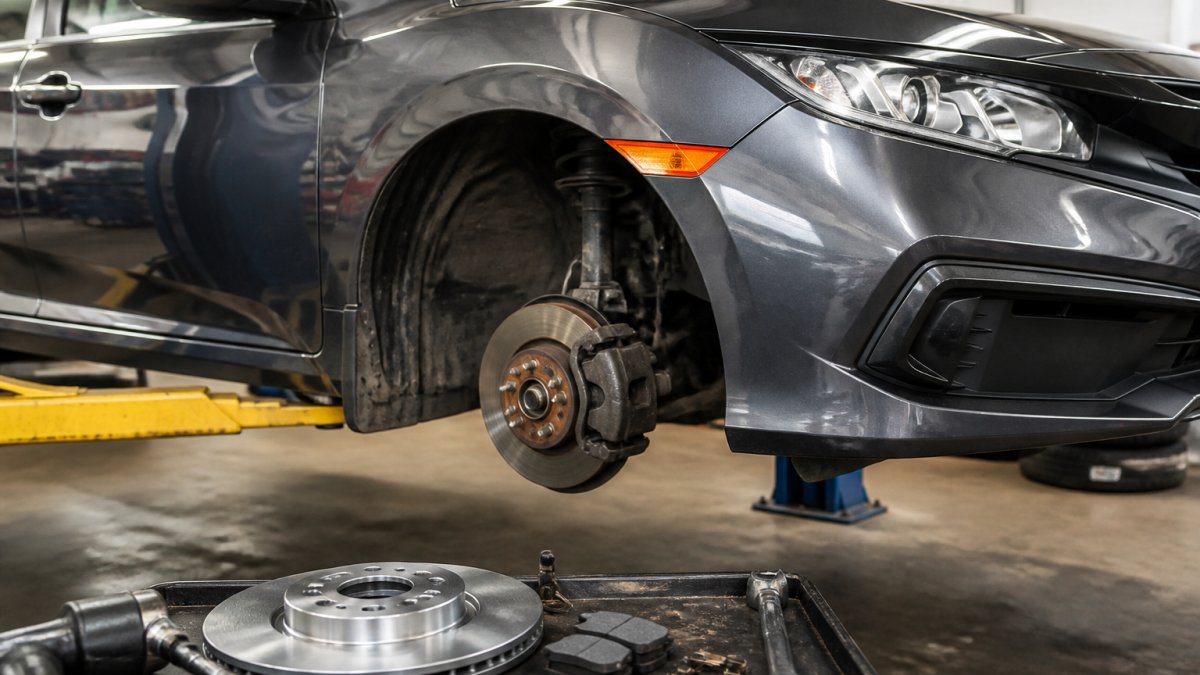
- Brake pads: The friction material that presses against the rotor
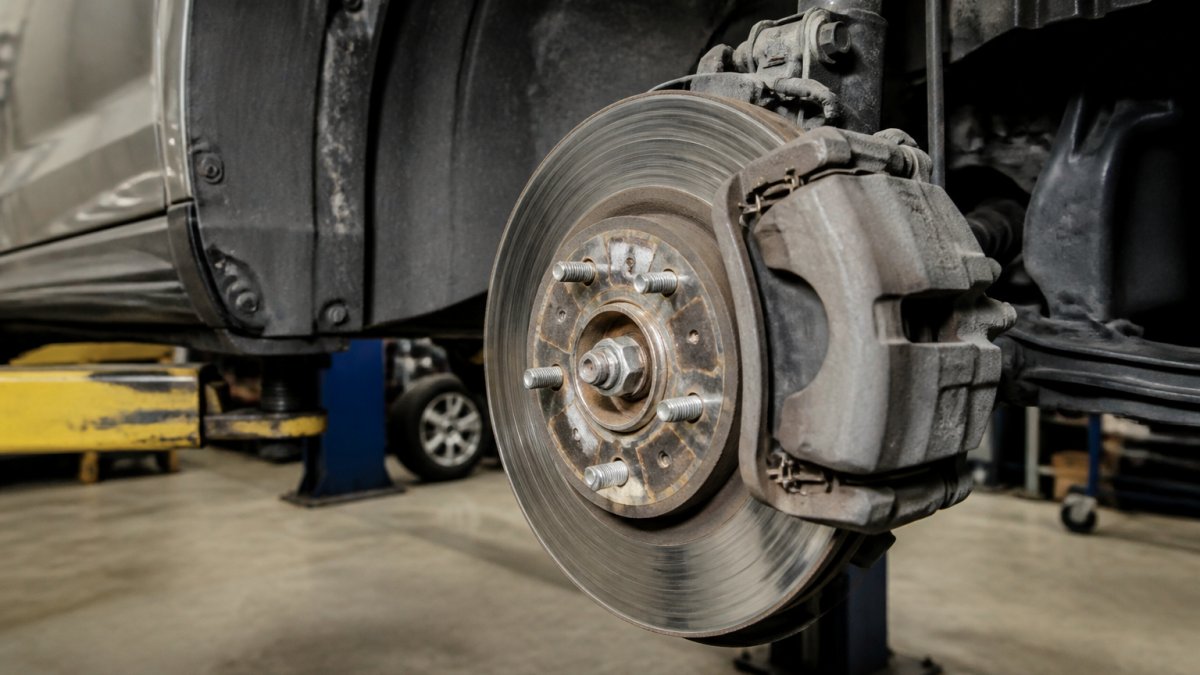
- Rotors: The metal discs the pads grip
- Labor: The time a technician spends doing the job
- Extras: Brake fluid flush, hardware, shim kits
The NHTSA vehicle safety information notes that brakes are a critical safety system, so cutting corners here isn't worth it.
Brake Pad Replacement Interval for Your Civic
Most Honda Civics need new brake pads somewhere between 30,000 and 70,000 miles. That's a wide range because it depends on how you drive.
City commuters who brake constantly will wear pads faster than highway drivers. If you're in stop-and-go traffic daily, expect closer to the low end. A common mistake is waiting until you hear metal grinding, which means you've already damaged the rotors.
Check your pads at every oil change. A technician can measure the friction material in minutes.
OEM vs Aftermarket Brake Pads: Which One Should You Choose?
OEM pads are made by the same manufacturer that built your Civic. Aftermarket pads come from third-party companies, and they range from budget options to high-performance upgrades.
Here's how the main types compare:
| Pad Type | Best For | Trade-off |
|---|---|---|
| OEM | Stock feel, quiet operation | Costs more |
| Ceramic | Low dust, quiet rides | Less bite when cold |
| Semi-metallic | Heavy braking, towing | More noise and dust |
For most daily drivers, ceramic pads hit a sweet spot. They run quiet and keep your wheels cleaner. If you want the exact feel Honda designed, stick with OEM.
Signs of Worn Rotors and Other Brake Problems
Worn rotors show up in ways you can feel and hear. Knowing the signs early saves you money.
Watch for these warning signs:
- Squealing noise: Often a wear indicator telling you pads are low
- Pulsation through the pedal: Usually means warped or uneven rotors
- Longer stopping distance: A sign your friction material is fading
- Visible grooves or rust: Rotor thickness may be below spec
- Soft pedal feel: Could point to air in the lines or a fluid leak
Corrosion is common in cold, snowy climates where road salt is used. That's why we recommend an annual brake inspection.
DIY vs Professional Brake Service: Labor Costs and Safety
Labor is the single biggest variable in a Civic brake bill, and it's where DIY and professional service diverge most. Here's the honest breakdown.
How labor is billed. Shops bill labor by "book time", a flat number of hours assigned to a job regardless of how long it actually takes. A front pad-and-rotor job on a Civic typically books around 1.5 to 2.0 hours per axle. Rear brakes on models with an electronic parking brake can book slightly higher because the caliper piston must be retracted electronically before service.
Typical labor rate ranges. Independent shops generally charge less per hour than dealership service departments, and rates vary widely by metro area. Rather than quote a single national number, use this as a planning frame:
- Independent shop: lower hourly rate, often willing to install customer-supplied parts
- Dealership: highest hourly rate, uses OEM parts by default, brand-specific training
- Chain tire-and-brake shops: mid-range rate, frequently run pad/rotor bundle promotions
DIY parts-only cost. If you supply your own parts, the cost is almost entirely parts plus consumables:
- Front pad set (ceramic or semi-metallic): modest
- Front rotor pair: modest
- Rear pad set and rotor pair: similar to front
- Brake fluid, caliper grease, shim kit, and thread locker: small add-on
What DIY actually requires. This is not a screwdriver job. You need:
- A floor jack and jack stands (never work under a car held only by a jack)
- A lug wrench or impact wrench and torque wrench
- A caliper piston compressor or retraction tool
- For electronic parking brake models: a scan tool capable of entering brake service mode
- Brake cleaner, a wire brush, and a bleeder bottle if you're flushing fluid
The torque-spec problem. Caliper bracket bolts, guide pins, and lug nuts all have specific torque values. Over-torquing warps rotors and stretches hardware; under-torquing lets calipers walk. If you don't own a torque wrench and the factory spec sheet, this is the point where DIY stops being a savings and starts being a risk.
Warranty and liability. Many independent shops and dealerships warranty their brake work for a set period or mileage. DIY work carries no such coverage, and if a caliper fails after your install, you own the diagnosis. If your Civic is still under a factory warranty or an extended service contract, confirm whether brake wear items are covered before you touch anything, most wear-and-tear parts are excluded, but some extended plans include them.
When DIY makes sense. If you have the tools, the torque specs, a flat safe workspace, and prior experience with hydraulic brake systems, DIY saves the labor line entirely. If any of those are missing, an independent shop is the better value: fair labor rate, faster turnaround, and a warranty on the work.
2026 Civic Model-Specific Brake Nuances
Most brake-cost guides still describe the 2016-2020 Civic. The 2026 lineup changed enough that the old advice can cost you money. Here's what's actually different.
Electronic parking brake (EPB). Many 2026 Civic configurations use an electronic parking brake instead of a mechanical lever. On these cars, the rear caliper pistons cannot be pushed back by hand or with a standard C-clamp. The caliper has an integrated electric motor that must be commanded into service mode, typically through a scan tool or a specific in-cabin button sequence, before the piston will retract.
What this means for your quote. Ask the shop directly: "Does your rear brake quote include retracting the electronic parking brake, and do you have the scan tool to do it?" A shop that hesitates is not equipped for a 2026 Civic rear brake job. This is also why rear brake labor on EPB-equipped Civics can run slightly higher than on older models with a mechanical parking brake.
Regenerative braking on hybrid trims. Hybrid Civics use regenerative braking to recapture energy, which means the friction brakes do less of the stopping. The practical result is that pads can last noticeably longer than on a non-hybrid. The trade-off is the opposite of what most drivers expect: because the friction brakes are used less, the rotors don't get scrubbed as often, and surface corrosion can build up, especially in cold, snowy climates where road salt is used.
Uneven rear wear. On hybrids, the rear friction brakes often do a smaller share of the work than the fronts, and the two sides can wear at different rates. A rear brake that looks fine on one side can be near the wear indicator on the other. Have both rear corners measured at every inspection, not just the fronts.
Rotor thickness, not just pad depth. Rotors have a minimum thickness spec stamped or cast into the hub. Once a rotor is below that spec, resurfacing is no longer safe and replacement is the only option. On a 2026 Civic, the rotor is still relatively new, so a shop recommending replacement at the first pad change should be able to show you the measured thickness against the spec. If they can't, get a second opinion.
Brake fluid is still time-based, not mileage-based. Even on a hybrid that barely uses its friction brakes, brake fluid absorbs moisture over time and should be flushed on the manufacturer's interval. Low friction-brake use does not extend the fluid interval.
Total Cost of Ownership: How Brakes Fit Your Civic Budget
Brakes are a recurring cost, not a one-time one. Planning for them keeps your Civic budget predictable.
Over the life of your car, you'll replace pads several times and rotors at least once or twice. Brake fluid flushes should happen on a set maintenance schedule, usually every few years.
A simple way to think about it: budget for a brake service every couple of years, and you won't get caught off guard. Rotor resurfacing costs less than replacement, but only if the rotor still has enough thickness. Once it's below spec, replacement is the only safe option.
For Civic owners across the Denver Metro area, Speedy Roo Motorsports offers transparent brake inspections and honest recommendations. We tell you what needs replacing and what can wait.
Frequently Asked Questions
How much should a brake job cost on a Honda Civic?
A standard brake job on a Honda Civic typically involves replacing pads and resurfacing or replacing rotors. Costs vary based on whether you choose OEM or aftermarket parts, your location, and whether you go to a dealership or independent shop. For a complete front or rear axle service, you can expect a range that reflects parts quality and labor. Speedy Roo Motorsports can provide a quote once we know your model year and trim.
How often do brakes need to be replaced on a Honda Civic?
Most Honda Civic brake pads last between 30,000 and 70,000 miles, depending on driving habits and conditions. City driving with frequent stops wears pads faster than highway commuting. Rotors often last through two sets of pads but should be measured for thickness at every brake inspection. Following the brake pad replacement interval in your owner's manual helps you plan ahead and avoid costly rotor damage.
Is it better to resurface or replace rotors on a Honda Civic?
Resurfacing can be a cost-saving option if your rotors still have enough thickness and aren't warped or heavily scored. However, many modern Civics have thinner rotors that don't leave much room for resurfacing. Replacing rotors is often the safer choice for long-term performance and is required if they fall below the minimum thickness stamped on the rotor. A trusted mechanic can measure and advise.
What is the difference between OEM and aftermarket brake pads?
OEM pads are made to Honda's original specifications and typically offer predictable performance and fit. Aftermarket pads come in various formulations, including ceramic and semi-metallic, and can offer benefits like less brake dust or better fade resistance. Some aftermarket options cost less, but quality varies widely. For daily driving, a quality aftermarket pad from a reputable brand can perform well; for track use, you may need a specialized compound.
Your Civic's brakes are the one system where guesswork costs more than it saves. If you're hearing squealing, feeling pulsation, or just due for an inspection, don't wait for a warning light. Speedy Roo Motorsports has serviced Japanese vehicles since 2002, with experienced technicians for Honda and Acura models, transparent communication, and local rentals and towing for added convenience. Get started with Speedy Roo Motorsports and keep your Civic stopping safely for years to come.