 how-to
7 Ways to Boost Fuel Economy in Your Older Lexus
Last Updated: October 24, 2026
Quick Summary
Improving fuel economy older lexus starts with accurate measurement, checking tire pressure, maintaining your engine, and adopting efficient driving habits. Most owners recover meaningful fuel savings by addressing tire pressure, air filters, oil condition, and driving style before considering modifications or repairs.
- Measure real-world MPG accurately using fill-to-fill calculations over at least three months to confirm fuel economy decline.
- Check tire pressure cold against the manufacturer specification on your driver's door jamb; even 3 PSI low reduces efficiency.
- Replace your air filter every 15,000-30,000 miles and use the correct oil viscosity specified in your owner's manual.
- Adopt smooth acceleration, steady speeds, cruise control on highways, and avoid idling to improve fuel economy by 5-30%.
- Scan for diagnostic trouble codes and check fuel trims before replacing sensors or other components.
Table of Contents
- Diagnose Why Your Fuel Economy Has Dropped
- Check and Correct Tire Pressure and Condition
- Address Engine Maintenance for Better Fuel Economy
- Adopt Fuel-Efficient Driving Habits
- Evaluate Modifications and Upgrades That Affect MPG
- Know When to Seek Professional Diagnostics
- Schedule Your Fuel Economy Inspection Today
- Frequently Asked Questions
Diagnose Why Your Fuel Economy Has Dropped
Your older Lexus used to deliver solid fuel economy older lexus performance. Now it seems worse. Before you panic or pay for repairs, diagnose what's happening.
At Speedy Roo Motorsports, we track fuel economy issues in Japanese vehicles. The first rule: measure accurately. Most owners guess at their fuel economy. You need real numbers.
Measure Your Real-World MPG Accurately
Real-world fuel economy differs from the EPA-estimated MPG on your window sticker (the EPA).
Here's how to measure it properly:
- Fill your tank completely at the same gas station, preferably the same pump
- Reset your trip odometer to zero
- Drive normally for at least 100 miles, mixing city and highway if that reflects your routine
- Return to the same station and fill up again until the pump clicks off
- Divide miles driven by gallons added
- Record this number and repeat monthly
Do this at least twice. One tank doesn't tell you much; three months of data shows whether fuel economy is genuinely declining or just fluctuating.
Compare your real number to your Lexus's EPA-estimated MPG. If you're 20% lower, something needs attention. If you're only 5-10% lower, normal driving variation explains it.
A Lexus-Specific Diagnostic Sequence for Sudden MPG Loss
When fuel economy drops suddenly rather than gradually, work through this sequence before replacing parts.
Step 3: Read fuel trims. Long-term fuel trim (LTFT) tells you whether the engine control unit is adding or subtracting fuel.
Step 5: Verify oxygen sensor behavior. Upstream oxygen sensors degrade gradually and may not set a code until badly out of range.
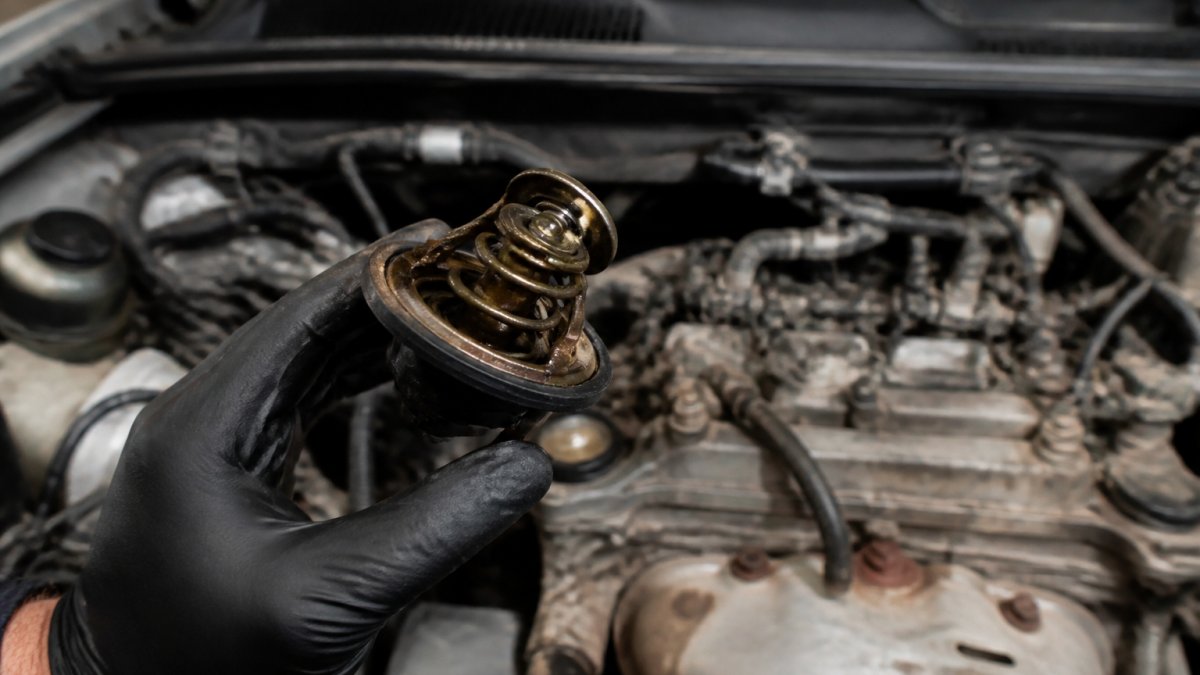
Step 7: Check cooling and thermostat operation. An engine that runs too cool because of a stuck-open thermostat burns more fuel.
Common Culprits Behind Poor Gas Mileage
Poor fuel economy in an older Lexus usually traces back to one of these causes:
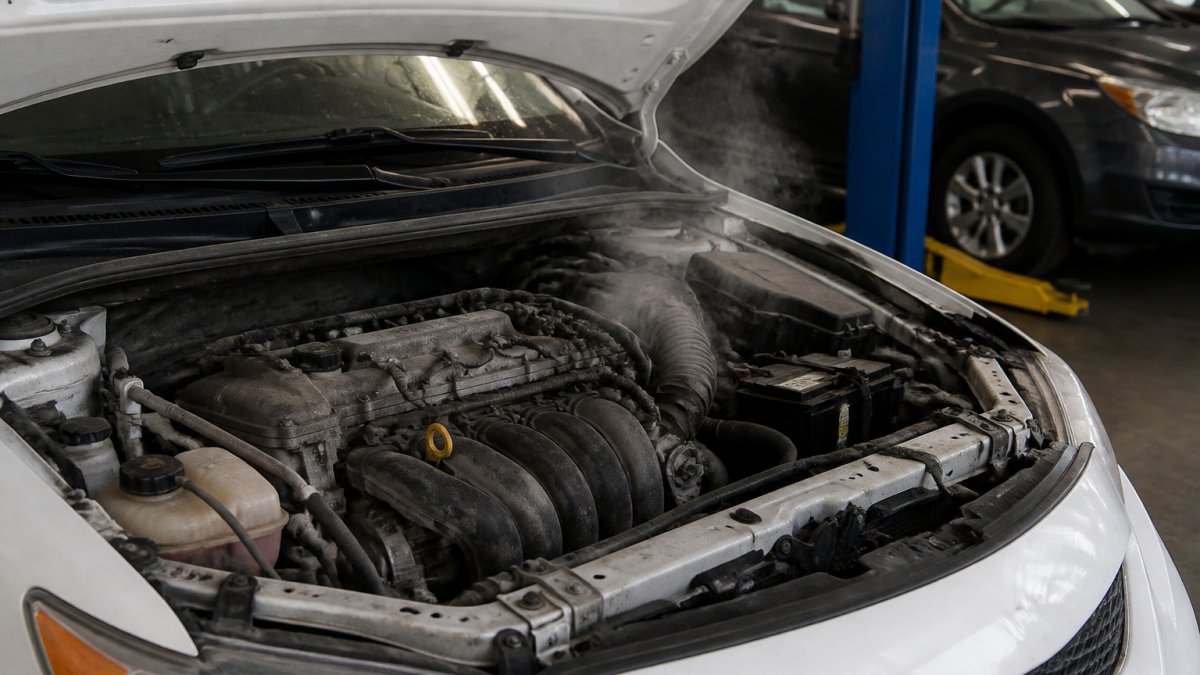
- Engine running rich, burning too much fuel, not enough air
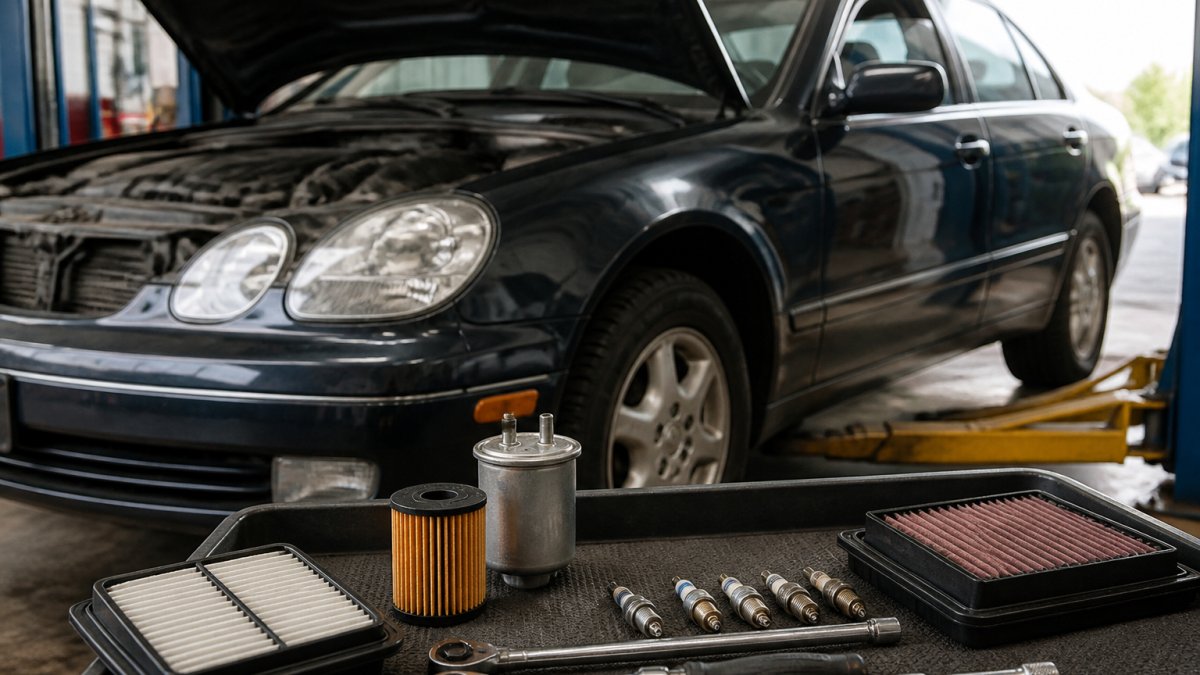
- Worn spark plugs or ignition system, misfires waste fuel
- Clogged air filter, restricts airflow, forces engine to work harder
- Low or wrong oil, thick oil creates drag
- Tire pressure too low, increases rolling resistance
- Wheel alignment off, tires drag instead of rolling freely
- Transmission not shifting properly, stuck in lower gears
- Oxygen sensor failing, engine can't adjust fuel mixture
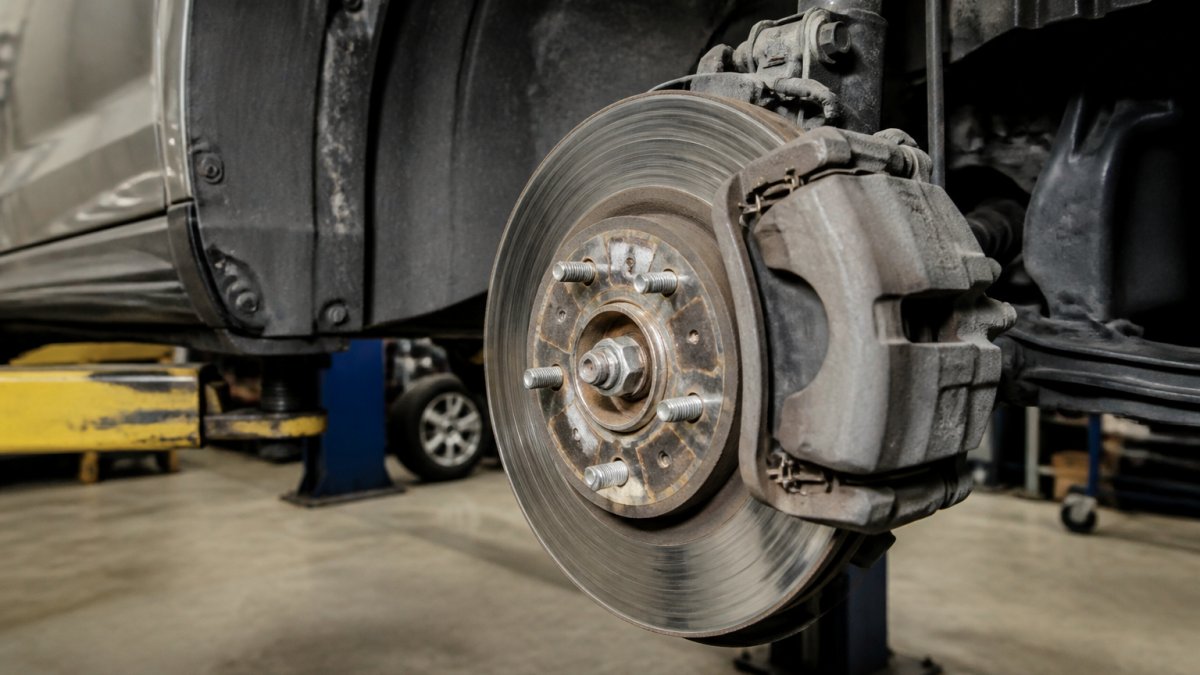
- Dragging brakes or failing wheel bearings, added rolling resistance
- Stuck-open thermostat, engine runs cold and rich
Most are fixable, but you need to know which one you're dealing with before spending money. The diagnostic sequence above gets you there in the right order.
Check and Correct Tire Pressure and Condition
Tire pressure is the easiest thing to check and often the biggest culprit.

Check tire pressure cold (before driving or at least three hours after); hot tires read higher and give false readings. Your Lexus's correct pressure is on the sticker inside the driver's door jamb, not the tire sidewall.
Inflate to the manufacturer's specification exactly. Even 3 PSI low costs you fuel economy.
Inspect tread depth too. Use the penny test: insert a penny into the tread with Lincoln's head upside down.
Tire condition matters for fuel economy, not just safety. Bald tires increase drag; combined with low pressure, they can drop fuel economy by 5-10%.
Address Engine Maintenance for Better Fuel Economy
Your engine's condition directly affects fuel economy. A well-maintained engine runs efficiently. A neglected engine wastes fuel.
Oil Level and Oil Type Matter
Check your oil level monthly. Low oil increases friction and makes your engine work harder. Use the dipstick when the engine is cold for an accurate reading.
Oil type matters too. Your owner manual specifies a viscosity grade.
Synthetic oil flows better cold and maintains viscosity longer than conventional.
Change your oil on schedule. Dirty oil thickens and works harder. Fresh oil flows smoothly and lets your engine run efficiently.
[You can get detailed step-by-step guidance on this maintenance task from our Lexus Oil Change: Step by Step Guide for 2026, which covers the process specific to your model.]
Air Filter and Engine Cleanliness
A clogged air filter forces the engine to suck harder for air, so it runs rich and burns more fuel to get enough oxygen. Fuel economy suffers.
Replace your air filter every 15,000-30,000 miles, or sooner in dusty conditions.
Carbon buildup also reduces efficiency. Fuel injectors clog and intake valves accumulate deposits, so the engine works harder to produce the same power.
A fuel system cleaning can help. Results vary, but many owners report 2-5% fuel economy improvement after cleaning. [For comprehensive guidance on maintaining Japanese car engines like your Lexus, explore our article on 7 Ways to Maintain Japanese Car Engines for Long Life.]
Adopt Fuel-Efficient Driving Habits
How you drive affects fuel economy more than you might think.
Smooth acceleration and steady speeds are your friends. Aggressive acceleration wastes fuel. Constant braking means wasted momentum.
Use cruise control on the highway.
Avoid idling. Modern engines use fuel while idling.
Remove excess weight from your vehicle. Every 100 pounds reduces fuel economy slightly.
Check if your Lexus has an Eco mode.
Evaluate Modifications and Upgrades That Affect MPG
Some modifications help fuel economy. Others hurt it. Know the difference before making changes. The most useful way to evaluate any modification is to rank it by cost, effort, and realistic benefit, then compare that against maintenance and driving changes that cost little or nothing.
Rank Fixes by Cost, Effort, and Likely Benefit
Before spending on parts, work down this list. The items near the top deliver the most benefit per dollar for most older Lexus owners.
- Tire pressure check and correction, free, minutes, and often the single largest quick gain if pressures are low.
- Driving habit changes, smooth acceleration, steady speeds, reduced idling, and route planning cost nothing and commonly deliver the largest percentage improvement.
- Air filter replacement, low cost, ten minutes, and restores airflow if the old filter is loaded.
- Oil and filter change with the specified viscosity, modest cost, and restores efficiency if service is overdue.
- Spark plug replacement at the specified interval, moderate cost and effort, but restores combustion efficiency on high-mileage engines.
- Alignment check and correction, moderate cost, and prevents tire drag and uneven wear.
- Brake and bearing inspection, diagnostic cost only unless a dragging component is found.
- Oxygen sensor or MAF sensor replacement, only after diagnosis confirms the fault.
- High-flow air filter or exhaust, modest cost, uncertain benefit, and best treated as a low-risk experiment rather than a fuel-economy strategy.
- Aerodynamic changes such as removing roof racks, free to low cost, small but real benefit at highway speeds.
Modifications That Rarely Pay Off
High-flow air filters promise better airflow and efficiency. Results are mixed. Some owners report slight improvements. Others see no change.
A high-flow exhaust system reduces backpressure, which theoretically improves efficiency.
Aerodynamic modifications reduce drag. Removing roof racks and cargo carriers helps. Lowering your vehicle slightly reduces wind resistance.
Avoid heavy modifications that add weight or create drag. Oversized wheels increase rotational inertia.
Set Realistic Expectations and Watch the Trade-Offs
A well-maintained older Lexus with corrected tire pressures, fresh fluids, and a smoother driving style can recover a meaningful portion of lost fuel economy. Claims of large gains from a single bolt-on part are usually not reproducible.
Premium fuel is another area where expectations run ahead of evidence. Use the octane grade your owner's manual specifies. If your Lexus calls for regular, premium won't improve fuel economy enough to offset its higher price per gallon.
The best modification is often none. Focus on maintenance and driving habits first. These cost little and deliver the biggest gains.
Know When to Seek Professional Diagnostics
If you've checked tire pressure, replaced your air filter, changed your oil, and adopted better driving habits but fuel economy hasn't improved, your Lexus needs professional diagnostics.
Modern Lexus vehicles have onboard diagnostic systems. A technician can pull diagnostic trouble codes to identify problems.
Some problems require specialized equipment.
Professional diagnostics cost money upfront but save you from guessing. Replacing parts randomly is expensive. Knowing exactly what needs fixing is smart.
[If you're ready for professional help, you can review what a comprehensive service inspection covers in our Lexus Major Service In Aurora A Practical Checklist For 2026.] When choosing between a dealership and an independent shop, our guide comparing dealership versus independent options helps you make the right choice for your situation.
Schedule Your Fuel Economy Inspection Today
Improving fuel economy in your older Lexus doesn't require expensive modifications or risky experiments. Start with the fundamentals: accurate measurement, tire pressure, oil condition, air filter cleanliness, and smart driving habits.
Most owners see noticeable fuel economy improvement within a month of addressing these basics. The investment is minimal, mostly time and attention.
If you've worked through these steps and fuel economy still hasn't improved, your Lexus likely has a mechanical issue that needs professional attention.
Frequently Asked Questions
How can I improve the gas mileage on an older Lexus?
Start with the basics: check tire pressure, replace a dirty air filter, verify your oil level and type match manufacturer specs, and monitor your driving habits. Steady speeds, smooth acceleration, and avoiding excessive idling all improve fuel economy. If those don't help, have a technician diagnose the engine condition and fuel system. Many older Lexus owners see noticeable gains from maintenance alone before considering modifications.
What are the main Lexus poor fuel economy causes?
The most common culprits are underinflated tires, a clogged air filter, wrong oil viscosity, engine carbon buildup, and worn spark plugs. Driving habits, rapid acceleration, high speeds, and excessive idling, also drain fuel economy quickly. Less common but serious causes include a faulty oxygen sensor, fuel injector deposits, or transmission issues. A professional diagnostic can pinpoint exactly what's affecting your specific vehicle.
Does Lexus fuel economy maintenance really make a difference?
Yes. Regular maintenance directly impacts fuel economy. Keeping your engine oil at the correct level and using the manufacturer-recommended viscosity reduces friction. A clean air filter improves combustion efficiency. Fresh spark plugs and a clean fuel system ensure proper ignition timing. Combined, these maintenance steps can recover lost fuel economy, depending on how far your vehicle has drifted from its baseline condition.
How much can I improve fuel economy by fixing tire pressure?
Underinflated tires increase rolling resistance and can reduce fuel economy by 3-5% per 5 PSI below the manufacturer's recommended pressure. Check your driver's door jamb for the correct PSI, not the maximum listed on the tire sidewall. Proper tire pressure is one of the quickest, cheapest wins. Also inspect tread depth; worn tires lose grip and efficiency. Correct pressure alone often delivers measurable improvements within a tank or two.
Better fuel economy starts with understanding what's causing poor mileage. Take the diagnostic approach we've outlined here. Address the low-hanging fruit first. Then bring your Lexus in if you need professional help. Speedy Roo Motorsports specializes in Japanese vehicle maintenance and diagnostics, we'll get your fuel economy back on track.