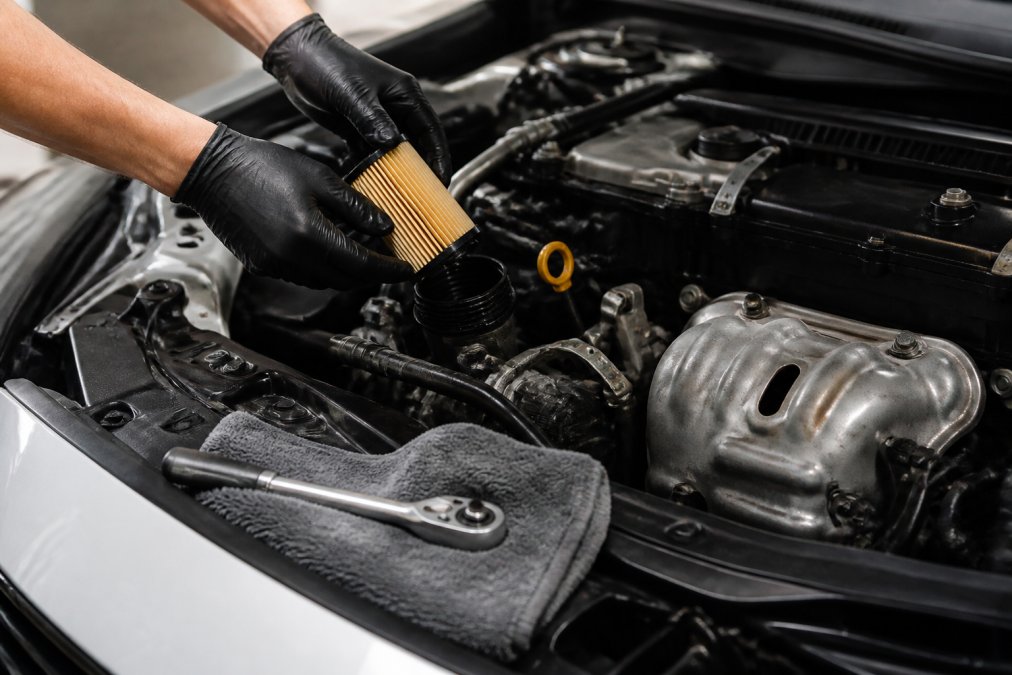
 listicle
7 Ways to Maintain Japanese Car Engines for Long Life
Table of Contents
- Why Japanese Engines Need a Specific Maintenance Approach
- 1. Stick to a Japanese Car Maintenance Schedule with Full Synthetic Oil
- 2. Replace Timing Belts and Water Pumps Before They Fail
- 3. Prevent Overheating with Coolant Flushes and Hose Inspections
- 4. Choose OEM vs Aftermarket Parts for Japanese Cars Wisely
- 5. Keep the Engine Bay Clean and Watch Fluid Levels
- 6. Learn the Signs of Engine Trouble in Japanese Vehicles Early
- 7. Use an OBD-II Scanner and Follow Cold Start Best Practices
- Frequently Asked Questions
Last Updated: September 7, 2026
Japanese car engines demand a specific maintenance philosophy to reach their legendary longevity. At Speedy Roo Motorsports, we have spent over two decades working on Subaru, Toyota, Honda, Nissan, and other Japanese brands, and we have seen what separates a long-lasting daily driver from a costly failure. This guide covers the 7 ways to maintain Japanese car engines, focusing on preventative maintenance.
Japanese engines are built to tight tolerances and respond best to disciplined, schedule-based care. Below, we break down the exact steps to maintain Japanese car engines.
Why Japanese Engines Need a Specific Maintenance Approach
Japanese engines prioritize efficiency and thermal management, meaning components like head gaskets and cooling systems are often designed closer to their operating limits. This makes adherence to a Japanese car maintenance schedule non-negotiable rather than a suggestion.
These engines are highly sensitive to the quality of fluids and parts you introduce. Using the wrong viscosity oil or a low-grade coolant can accelerate sludge buildup and corrosion. Preventative maintenance is about respecting factory engineering tolerances, so the service manual should be your primary reference for mileage intervals.
1. Stick to a Japanese Car Maintenance Schedule with Full Synthetic Oil
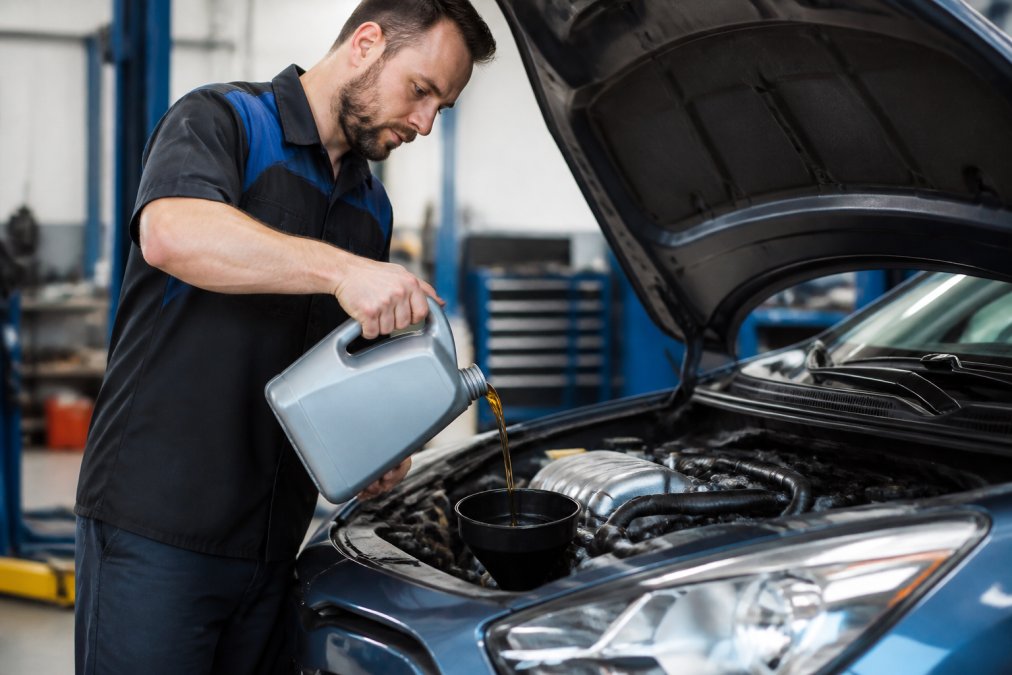
The single most impactful habit for engine longevity is changing the oil and filter on a strict schedule using full synthetic oil, which provides superior wear protection and thermal stability for the tight clearances in Japanese engines.
Stretching oil change intervals beyond the factory recommendation leads to increased friction, higher operating temperatures, and eventual damage to bearings and seals. Always replace the oil filter with a quality unit during every change.
2. Replace Timing Belts and Water Pumps Before They Fail
If your engine uses a timing belt rather than a chain, the replacement interval is a hard deadline. A broken timing belt causes catastrophic internal damage, often bending valves and destroying the cylinder head. The water pump is typically driven by the same belt, so replacing both together is standard practice.
Most service manuals recommend this service between 60,000 and 100,000 miles (nhtsa.gov). When the timing belt is replaced, also replace the tensioner and idler pulleys, as these wear out at the same rate, the labor cost is identical whether you replace just the belt or the entire kit.
3. Prevent Overheating with Coolant Flushes and Hose Inspections
Overheating is the leading cause of head gasket failure in Japanese engines and is almost always preventable. The cooling system requires a coolant flush at the intervals specified in your service manual to remove scale and prevent corrosion. Using the correct OEM-specific coolant is essential, as the wrong formula can cause electrolysis and damage the radiator.
Rubber hoses degrade from the inside out, and a burst hose can empty your cooling system in seconds. Check for soft spots, cracks, or bulges, and inspect the radiator cap for a proper seal. Treat any temperature gauge fluctuation as an urgent warning.
4. Choose OEM vs Aftermarket Parts for Japanese Cars Wisely
The debate between OEM vs aftermarket parts for Japanese cars comes down to tolerance and longevity. OEM parts are designed to exact factory specifications, guaranteeing compatibility and performance. This is particularly important for sensors, gaskets, and filters, where aftermarket parts with looser tolerances can trigger check engine lights or cause premature wear.
For routine maintenance like oil, air, and fuel filter replacements, OEM parts are the safest choice. The situation is different for performance tuning, where specialized aftermarket components may be necessary, but those are upgrades, not maintenance. If unsure, the service manual will specify the exact part number required.
5. Keep the Engine Bay Clean and Watch Fluid Levels
A clean engine bay is a preventative maintenance tool. Grease and grime act as an insulator, trapping heat and preventing efficient cooling, while a clean bay makes it easier to spot new fluid leaks before they become serious.
When the bay is clean, checking fluid levels becomes a quick visual inspection. Monitor the oil, coolant, brake fluid, and transmission fluid regularly, and investigate any drop in level immediately, early detection is the cheapest repair you will ever make.
6. Learn the Signs of Engine Trouble in Japanese Vehicles Early
Recognizing the signs of engine trouble in Japanese vehicles early is the difference between a minor fix and a major rebuild. Common symptoms include rough idling, a decrease in fuel economy, unusual noises, or a persistent check engine light.
A rough idle or stumble during acceleration often points to worn spark plugs or a dirty air intake. Ignoring these signs forces the engine to work harder, increasing wear on the combustion chamber and catalytic converter.
The Fuel Quality Factor: Octane and Detonation
One of the most overlooked aspects of Japanese engine care is fuel quality. Many Japanese performance engines, particularly those from Subaru, Mitsubishi, and Toyota’s performance divisions, are engineered with high compression ratios and aggressive ignition timing maps, calibrated for premium unleaded gasoline with an octane rating of 91 or higher. Using regular 87-octane fuel in these engines can lead to pre-ignition or detonation, commonly known as "knock (fueleconomy.gov)."
Knock occurs when the air-fuel mixture ignites prematurely due to heat and pressure, creating a rapid pressure spike that hammers the piston, connecting rod, and bearings. Modern Japanese engines have knock sensors that retard ignition timing to protect the engine, but this is reactive, sustained knock can erode piston ring lands, damage rod bearings, and in severe cases, melt piston crowns.
Consult your owner's manual and use the fuel grade specified for your engine. For naturally aspirated engines that specify regular fuel, premium offers no benefit. For turbocharged or high-compression engines that specify premium, regular fuel is a false economy. If you hear a rapid metallic rattling or pinging sound under acceleration, you are likely experiencing knock, switch to the correct fuel grade immediately.
Fuel System Maintenance and Injector Health
Beyond octane, fuel system cleanliness directly impacts engine health. Japanese engines use high-pressure fuel injectors with fine spray patterns, but carbon deposits can form on injector tips over time, disrupting the spray pattern and causing uneven fuel delivery. This manifests as a rough idle, hesitation on acceleration, or a slight decrease in fuel economy.
Using a quality fuel system cleaner containing polyether amine (PEA) every 5,000 to 7,500 miles helps keep injectors and intake valves clean. For direct-injection engines, common in newer Toyota, Honda, and Nissan models, intake valve deposits are a known issue because fuel no longer washes over the valves. Consider a professional walnut-shell blasting service every 60,000 to 80,000 miles to remove carbon buildup.
Fuel Pump and Filter Considerations
The fuel pump in most Japanese vehicles is an electric unit inside the fuel tank, relying on fuel for cooling and lubrication. Running the tank consistently low can cause the pump to overheat and wear prematurely. A failing pump often produces a whining noise, causes hard starting, or results in a loss of power under load. Replacing a fuel pump is an inexpensive preventative measure on many models with over 100,000 miles.
By paying attention to fuel quality and the health of the fuel delivery system, you address a root cause of engine trouble that many generic guides overlook, preserving the precise combustion process that gives Japanese engines their reputation for efficiency and performance.
7. Use an OBD-II Scanner and Follow Cold Start Best Practices
Modern Japanese vehicles are packed with sensors, and an OBD-II scanner is an essential tool for monitoring engine health. A quality scanner can read and clear engine codes, providing real-time data on sensor outputs to diagnose a check engine light before it leads to a breakdown.
OBD-II Diagnostics: Beyond Reading Codes
A basic code reader will tell you a trouble code, but a quality OBD-II scanner with live data capability is far more powerful. The most valuable live data parameters to monitor are:
- Fuel Trim (STFT and LTFT): Short-term and long-term fuel trim values indicate how the engine computer is adjusting the air-fuel mixture. If long-term fuel trim is consistently above +10%, the engine is running lean, which could indicate a vacuum leak, dirty mass airflow sensor, or failing fuel pump. Values below -10% indicate a rich condition, often from a faulty oxygen sensor or fuel pressure regulator.
- Coolant Temperature Sensor Reading: Compare the live coolant temperature reading to your dashboard gauge. If the sensor reading climbs above 220°F (104°C) under normal driving, your cooling system is losing efficiency even if the gauge hasn't moved into the red zone (the CDC).
- Oxygen Sensor Voltage: A healthy oxygen sensor should cycle rapidly between approximately 0.1V and 0.9V. A sluggish sensor that stays at a fixed voltage indicates it is aging and should be replaced.
For Subaru and Toyota owners, an OBD-II scanner that supports manufacturer-specific codes can read additional data such as individual cylinder misfire counts, camshaft position timing, and transmission temperature. Many affordable Bluetooth scanners paired with smartphone apps offer these features. The key is to use the scanner proactively, checking live data monthly, rather than waiting for a check engine light.
Cold Start Best Practices: Protecting Bearings and Seals
Cold starts are another area where many owners inadvertently cause wear. When an engine is cold, the oil has drained to the pan, and metal components are at their tightest tolerance. Start the engine and allow it to idle for 30 to 60 seconds before driving to circulate oil and warm internal components, and avoid revving hard until it reaches normal operating temperature.
The mechanics of a cold start go deeper than simply waiting a minute:
Oil Pressure and Bearing Protection: At cold temperatures, oil viscosity is higher, so it takes several seconds for oil to reach the top of the engine, particularly the valve train. During this brief window, metal-to-metal contact can occur, which is why you may hear a brief ticking sound on some engines. This is normal, but it underscores why you should not rev the engine immediately after starting.
Piston-to-Cylinder Clearance: When cold, pistons are slightly smaller than at operating temperature because aluminum expands more than the cylinder block. Until they expand to their designed clearance, they can "slap" against the cylinder walls, causing wear, particularly pronounced in engines with forged pistons, common in turbocharged Subaru and Mitsubishi models. Idling for 30 to 60 seconds lets the pistons begin to expand and the oil film to establish before you apply load.
The 30-Second Rule and Gentle Driving: The modern consensus is that you do not need to idle a fuel-injected engine for more than 30 to 60 seconds in most climates. The engine warms up faster when driven gently, and prolonged idling can cause fuel dilution of the oil because the engine runs rich until it reaches operating temperature. The recommended procedure is:
- Start the engine and let it idle for 30 to 60 seconds to establish oil pressure and circulate oil.
- Drive gently, keeping engine speed below 3,000 RPM, until the coolant temperature gauge reaches its normal operating position (usually around 190°F to 200°F).
- Avoid full-throttle acceleration or high-RPM operation until the oil temperature has also warmed up, oil reaches operating temperature more slowly than coolant, typically after 10 to 15 minutes of driving.
Turbocharged Engine Considerations: For turbocharged Japanese engines, cold-start discipline is even more critical. The turbocharger spins at speeds up to 150,000 RPM and relies on engine oil for lubrication and cooling. When cold, oil is thicker and takes longer to reach the turbo's center cartridge, so starting and immediately driving hard can cause the bearings to run dry momentarily. After a hard drive, the turbo housing can glow red-hot; shutting off immediately can cause oil to "coke" (harden) inside the oil passages. Letting a turbocharged engine idle for 30 to 60 seconds before shutdown allows the turbo to cool and the oil to carry heat away from the bearing housing.
By combining proactive OBD-II monitoring with disciplined cold-start habits, you address two of the most common causes of premature engine wear in Japanese vehicles: undetected sensor failures and cold-start metal fatigue. These practices cost nothing but time and attention, yet they pay dividends in engine longevity.
Frequently Asked Questions
What is the 30-60-90 maintenance schedule for Japanese vehicles?
The 30-60-90 schedule refers to mileage intervals for preventative maintenance. At 30,000 miles, expect fluid replacements like brake fluid and coolant. At 60,000 miles, plan for major services such as replacing the timing belt, water pump, and transmission fluid. At 90,000 miles, inspect the drivetrain, gaskets, and seals, and consider replacing spark plugs. Your service manual provides the exact intervals for your model, and following this schedule is one of the most effective ways to maintain Japanese car engines.
Does using OEM parts improve the longevity of a Japanese engine?
Yes, OEM parts are engineered to meet the exact tolerances of your engine, which is critical for components like the timing belt, water pump, and gaskets. While aftermarket parts can be cheaper, they risk poor fit or material quality that could lead to premature failure. For routine items like oil filters and spark plugs, OEM ensures consistent performance. For maintain Japanese car engines effectively, treat OEM parts as an investment in mechanical integrity, especially for high-mileage vehicles.
What are the most common causes of engine failure in Japanese cars?
Overheating is a leading cause, often traced to a failed water pump, a leaking hose, or old coolant that has lost its protective properties. Neglected oil changes lead to engine sludge and accelerated wear on internal components. A snapped timing belt can cause catastrophic internal damage in interference engines. Staying alert to signs of engine trouble in Japanese vehicles, like temperature spikes or unusual noises, and adhering to a maintenance schedule prevents these failures.
How does regular maintenance affect the resale value of Japanese vehicles?
Regular maintenance directly protects resale value. A documented history of oil changes, coolant flushes, and timing belt replacements proves the engine was cared for, which builds buyer confidence. Japanese vehicles are known for longevity, and evidence of preventative maintenance like using OEM filters and quality fluids signals that the car has many miles left. This can translate to a higher selling price compared to a similar model with gaps in its service records.