 how-to
How to Troubleshoot Transmission Shifting Problems Safely
Quick Summary
Start by checking the transmission fluid level, condition, and leaks, using the correct method for your vehicle, then scan for diagnostic trouble codes before replacing any parts. Stop driving right away if the car will not stay in gear, smells of burning, or shows a flashing warning light. Transmission shifting problems often have inexpensive causes, so a proper diagnosis helps avoid unnecessary repairs.
- Confirm the exact fluid specification for your vehicle before adding or changing fluid.
- Stop driving if the car slips badly, shifts into neutral by itself, or smells of burning.
- Read pending and freeze-frame data, not just stored codes, before clearing anything.
- Overfilling a unit with a check plug can cause foaming and harsh shifts.
- A P0700 code usually has a companion code stored in the transmission control module.
Table of Contents
- Early Signs of Transmission Problems to Watch For
- Safety First: When to Stop Driving and Call a Professional
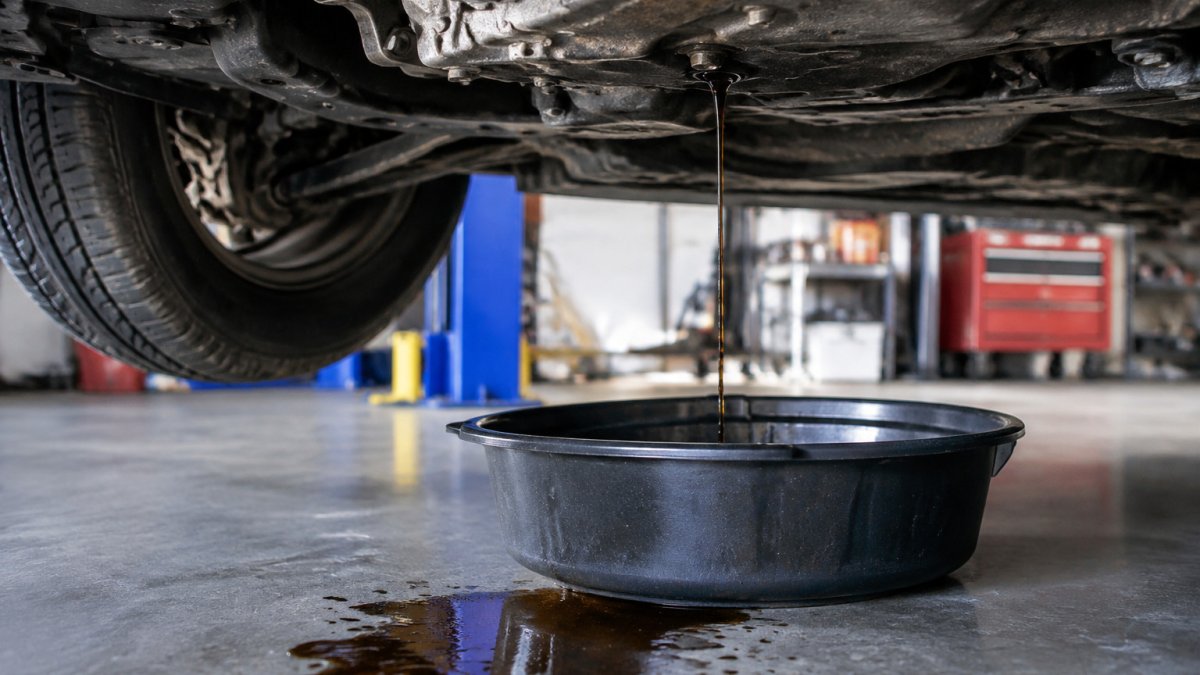
- Step 1: Check the Fluid Level, Condition, and Leaks
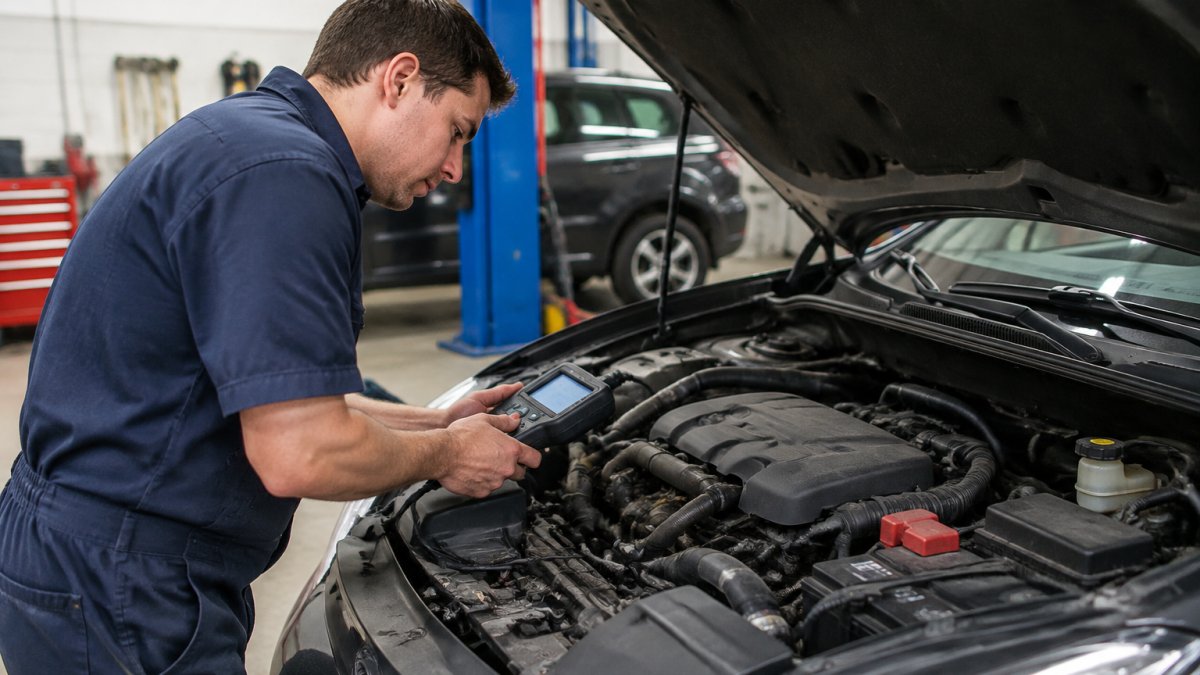
- Step 2: Scan for Diagnostic Trouble Codes Before Guessing
- Step 3: Test Shifting Behavior and Match Symptoms to Causes
- Automatic, Manual, and CVT: How Shifting Problems Differ
- What Transmission Repairs Typically Cost and How to Decide
- Booking Your Transmission Diagnosis at Speedy Roo Motorsports
- Frequently Asked Questions
Early Signs of Transmission Problems to Watch For
Last Updated: November 2, 2026
Transmission shifting problems rarely start with a dramatic failure. They usually begin with small changes you notice every time you drive, and those early transmission shifting problems are easy to dismiss. Many Japanese vehicle owners wait too long because the early signs feel minor.
A transmission shifting problem is any change in how your car moves through its gears. Because late, harsh, or uneven shifts can point to deeper wear, recognizing failing transmission signs early helps you decide when to stop driving and seek an inspection.
Watch for these common early symptoms:
- Delayed shifts: The engine revs before the car moves forward from a stop.
- Hard or jerky shifts: You feel a bump or clunk when the transmission changes gears.
- Slipping: The engine revs up, but the car does not speed up as expected.
- Hesitation: The car pauses briefly before accelerating.
- Burning smell: A sharp, burnt odor often points to overheated fluid.
- Warning lights: The check engine light or transmission warning light may come on.
Many of these symptoms can also come from low fluid, dirty fluid, or a faulty sensor. Our signs of low transmission fluid guide shows what low-fluid symptoms look like and how to confirm the problem before acting.
Safety First: When to Stop Driving and Call a Professional
Some transmission symptoms mean you should stop driving right away. Continuing to drive can cause more damage and create a safety risk on the road.
Stop driving and get help if you notice any of these signs:
- The car will not move, or it will not stay in gear.
- The transmission slips badly or the engine revs without any forward motion.
- You smell burning or see smoke from under the hood.
- The car shifts into neutral by itself or lurches unexpectedly.
- A warning light is flashing or the vehicle goes into limp mode.
If the car is still drivable, keep trips short and avoid heavy loads. Do not tow or drive long distances until the problem is checked.
Step 1: Check the Fluid Level, Condition, and Leaks
Start with the fluid, but do not assume your vehicle checks like the last one you owned.
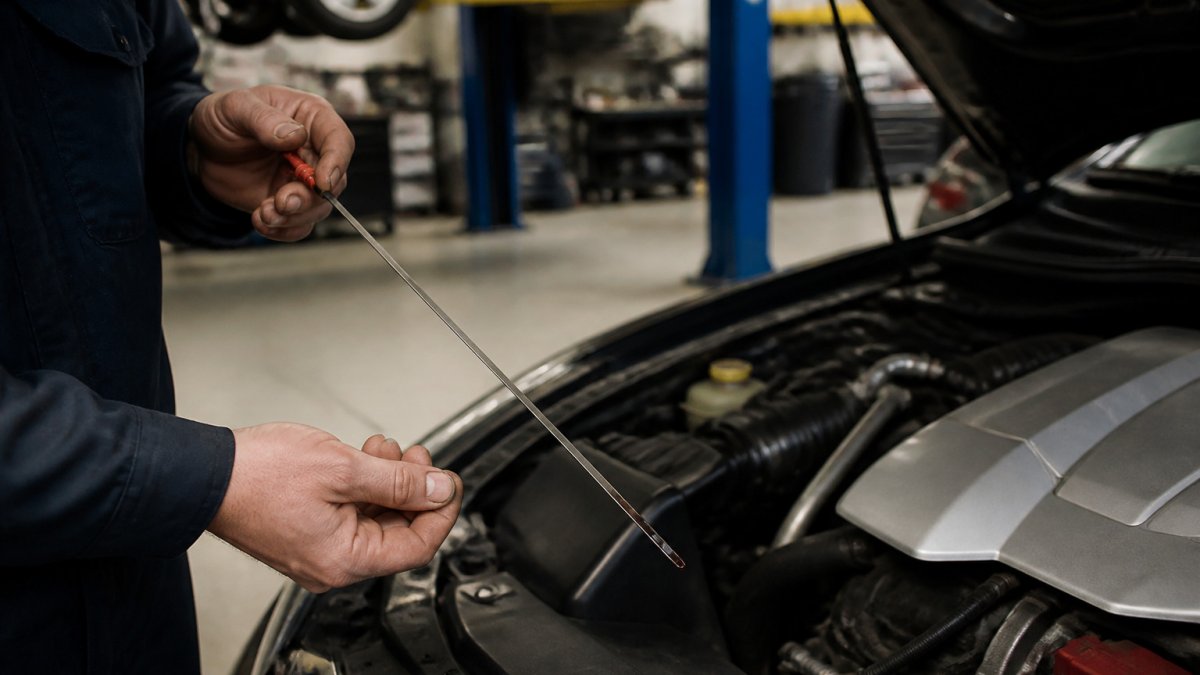
Level, three different procedures you will encounter:
- Dipstick, engine warm and running in park or neutral, the traditional method on many older automatics. Wipe the stick, reinsert fully, and read both sides; the lower of the two readings is the true level.
- Dipstick, engine off and cold, some manufacturers specify a cold check at a marked range on the stick. Checking warm on these gives a falsely high reading.
- No dipstick, fill or check plug on the side of the case, common on newer automatics and most CVTs. The level is correct when fluid just drips from the check plug with the transmission at a specified temperature, often between 95°F and 113°F, read with a scan tool or infrared thermometer. Overfilling these units causes aeration, foaming, and harsh shifts that mimic a failing transmission.
Condition, what the fluid is telling you:
- Red or pink and mild-smelling, normal for most automatic transmission fluid.
- Dark brown or black, oxidized fluid that has been overheated; shifting complaints often follow.
- Milky or strawberry-milkshake appearance, coolant contamination from a failed cooler inside the radiator, which requires flushing the entire system, not just a fluid change.
- Gritty or metallic sheen, clutch or gear material suspended in the fluid, a sign of internal wear that a fluid change will not fix.
- Strong burnt smell, overheated fluid and likely slipping clutches; a fluid change may temporarily improve the shift but will not repair the cause.
Leaks, where to look:
Check under the middle and rear of the vehicle after it has sat overnight. Our guide to causes of transmission fluid leaks under a car explains the likely leak sources. To judge whether the fluid itself has overheated, see how to tell if transmission fluid is burnt.
Fluid specification matters more than most owners realize:
Automatic transmission fluid is not universal.
Watch out: adding fluid to correct a low level without finding the leak just delays the problem, and overfilling by even half a quart on a unit with a check plug can cause foaming and harsh engagement that looks like a solenoid failure.
Cost and decision guidance:
A fluid and filter service is one of the least expensive transmission repairs and is worth doing first when the fluid is dark but not contaminated with metal or coolant. A pan gasket or cooler line repair is also relatively inexpensive.
Fluid checks vary by vehicle, so these are the three common level-check procedures and what each one looks like.
| Check method | When it applies | Key detail |
|---|---|---|
| Dipstick, engine warm and running | Many older automatics | Read both sides; lower reading is true level |
| Dipstick, engine off and cold | Some manufacturers | Warm check gives falsely high reading |
| Check plug, 95°F to 113°F | Newer automatics and most CVTs | Overfilling causes foaming and harsh shifts |
Step 2: Scan for Diagnostic Trouble Codes Before Guessing
A scan tool can read codes stored by the vehicle's computer, but the value of those codes depends entirely on how you retrieve and interpret them. If you have a Honda, Honda check engine light diagnosis: what to do first covers what to check before you start scanning.
What to retrieve, in order:
- Stored codes, faults the computer has already confirmed and used to trigger a warning light.
- Pending codes, faults seen once or twice that have not yet matured into a stored code. These often appear before the light comes on and are easy to miss if you only read stored codes.
- History or permanent codes, faults that occurred in the past and may point to an intermittent problem that only shows up when cold or under load.
- Freeze-frame data, the snapshot of engine speed, vehicle speed, throttle position, and fluid temperature captured at the moment the code set. This is often more useful than the code itself.
Transmission-related code families to recognize:
- P0700-P0799 cover transmission control system faults, including range sensor, shift solenoid, and torque converter clutch circuits.
- P0700 is a generic "transmission control system malfunction" code that only tells the powertrain control module to request illumination of the malfunction indicator lamp; it almost always has a companion code stored in the transmission control module that a basic reader will not display.
- P0715-P0720 point to input and output speed sensor circuits, which commonly cause erratic or missing shifts.
- P0730-P0736 indicate incorrect gear ratio faults, which can mean slipping clutches, low line pressure, or a solenoid that is not applying a clutch pack properly.
- P0740-P0744 cover torque converter clutch circuit and performance faults, often felt as a shudder or a lockup that will not engage.
- P0741 specifically flags torque converter clutch stuck off, while P0742 flags it stuck on, two very different symptoms from the same circuit.
- P0750-P0775 cover shift solenoid A through E circuits, the most common electronic cause of a single gear that will not engage.
What a code can and cannot confirm:
A code identifies the circuit or system that reported a fault, not the failed part.
Watch out: clearing codes before recording freeze-frame data and the full code list wipes the evidence a technician needs, and some monitors will not rerun until the vehicle completes a specific drive cycle, so the light may stay off for days before the fault returns.
When a basic reader is not enough:
Step 3: Test Shifting Behavior and Match Symptoms to Causes
Next, pay attention to how the car shifts under normal driving. Test in a safe, empty area with light traffic.
Compare what you feel with these common patterns:
- Delayed engagement when shifting into drive or reverse: Often linked to low fluid or internal pressure issues.
- Hard shifts at a specific speed: Can point to a shift solenoid or valve body problem.
- Slipping that gets worse when the car is warm: Often tied to fluid condition or internal wear.
- Random shifts or limp mode: More often related to sensors or electronic control issues.
Write down when the problem happens, such as cold starts, highway speeds, or after the car has warmed up. These details help a technician narrow the cause quickly.
Automatic, Manual, and CVT: How Shifting Problems Differ
Not every transmission works the same way, so the symptoms and checks can differ.
Automatic transmissions use hydraulic pressure and fluid to change gears. Shifting problems often relate to fluid level, fluid condition, solenoids, and sensors.
Manual transmissions rely on a clutch and mechanical linkage. Grinding, hard shifting, or a clutch that slips usually points to worn clutch parts, linkage adjustment, or fluid issues in the gearbox.
CVTs use a belt or chain and pulleys instead of fixed gears. They often feel like a steady rise in engine speed rather than distinct shifts.
Knowing your transmission type helps you avoid wrong fixes and gives a professional better information when you call.
What Transmission Repairs Typically Cost and How to Decide
Repair costs vary widely based on the cause. Pricing depends on your vehicle, the parts needed, and the diagnostic work involved, so contact Speedy Roo Motorsports for current pricing and a quote.
Use these questions to decide your next step:
- Is the car safe to drive, or should it be towed?
- Did the problem start after a recent fluid service or leak?
- Are there codes that point to a sensor or electrical fault?
- Would a fluid change or software update address the symptom first?
When the cause is unclear, a professional diagnosis is often the most cost-effective choice. It can prevent replacing parts that were never the problem.
Booking Your Transmission Diagnosis at Speedy Roo Motorsports
If your car shows any of the warning signs above, schedule a professional diagnosis before the problem gets worse. Speedy Roo Motorsports has served Japanese vehicle owners since 2002, with experience across Subaru, Toyota, Lexus, Honda, Acura, Nissan, Infiniti, Mitsubishi, and Mazda models.
Contact Speedy Roo Motorsports to book your transmission shifting diagnosis.
Frequently Asked Questions
How much does it cost to fix a hard-shifting transmission?
Costs vary widely depending on the cause. A fluid service or sensor replacement is usually far less expensive than internal repairs such as valve body or clutch work, and a software update may cost little or nothing if the fault is electronic. Because the price depends on the vehicle, the cause, and the labor involved, contact Speedy Roo Motorsports for current pricing on your specific vehicle and repair.
Can low transmission fluid cause shifting problems?
Yes. Low fluid can cause delayed engagement, flaring between gears, slipping, and harsh shifts because the hydraulic system cannot maintain proper pressure. Dirty or oxidized fluid can cause similar symptoms. Check the fluid level and condition with the method specified for your vehicle, since some transmissions are checked hot and others cold. If the fluid is low, look for leaks before topping off, because a low level usually means something is escaping.
What are the early signs of transmission failure?
Early warning signs include a short delay when shifting into drive or reverse, a shudder or flare between gears, engine RPM rising without matching acceleration, and a burnt smell from the fluid. Fluid that is dark, gritty, or smells burnt is also a sign of trouble. Any of these symptoms warrants a diagnostic check, since catching a problem early often limits the repair to a fluid service or a sensor rather than internal damage.
How do I reset transmission shifting?
A basic reset is sometimes possible by turning the vehicle off, waiting a few minutes, and restarting, which can clear a temporary electronic fault. A battery disconnect may also reset adaptive learning, though it can erase radio presets and other settings. Resetting does not fix a mechanical or sensor problem, and a fault that returns after a reset should be scanned for trouble codes rather than reset again.