 ultimate-guide
Causes of Transmission Fluid Leak Under Car
Table of Contents
- Signs of a Transmission Fluid Leak Under Your Car
- 7 Most Common Causes of Transmission Fluid Leak Under Car
- How to Check Transmission Fluid Level and Find the Leak
- Is It Safe to Drive With a Transmission Leak?
- Transmission Fluid Leak Repair Cost: What Affects the Price
- DIY vs. Professional Repair: A Decision Matrix
- Environmental Impact and Proper Cleanup
- Conclusion
- Frequently Asked Questions
Last Updated: September 19, 2026
Signs of a Transmission Fluid Leak Under Your Car
A transmission fluid leak under your car is a mechanical warning you should never ignore. Speedy Roo Motorsports has inspected enough Japanese vehicles to know that a few drips today can become a slipping, shuddering transmission tomorrow.
What Transmission Fluid Looks and Smells Like
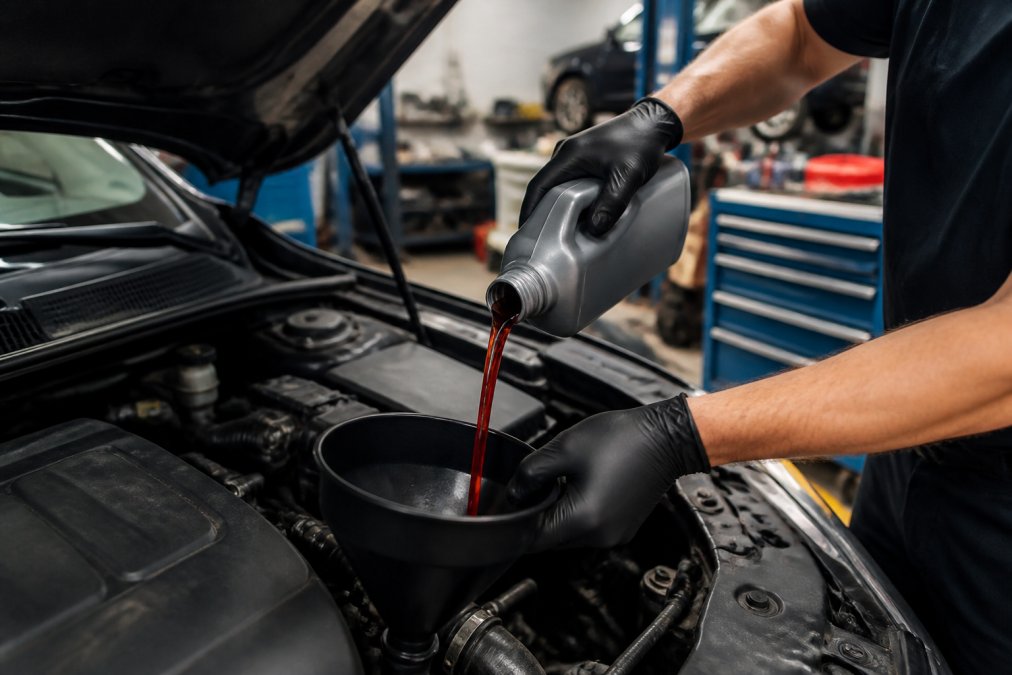
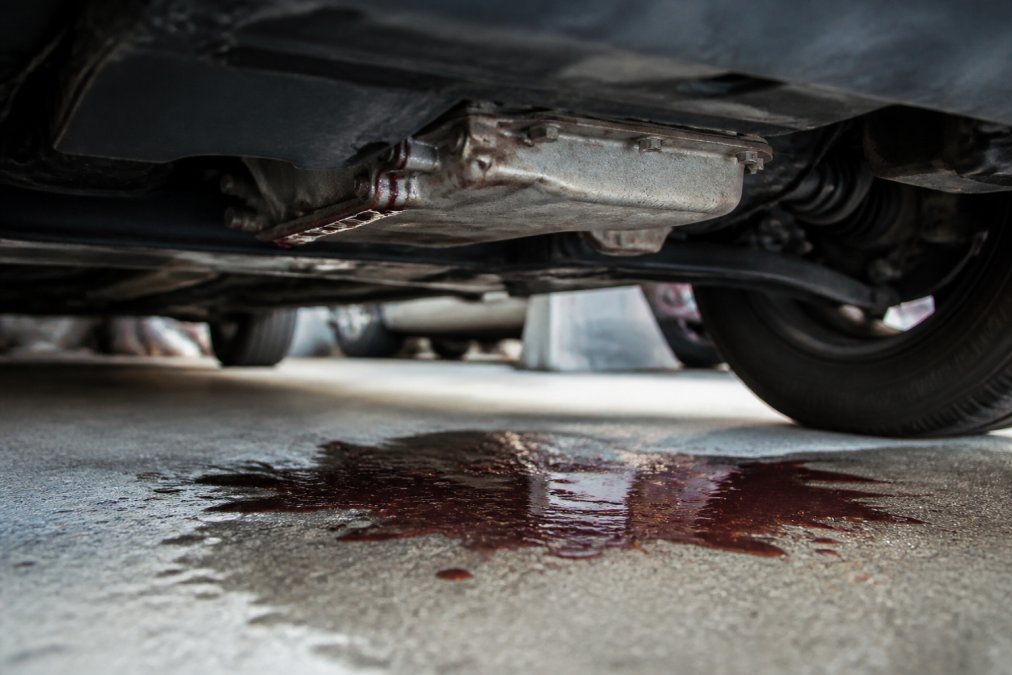
Fresh transmission fluid is typically red and slightly translucent. As it ages, it darkens toward brown or black, and it picks up a distinct burnt smell that signals overheating and fluid contamination.
Puddles aren't the only clue. You might notice:
- Slipping gears during acceleration
- A shifting delay when you move from park to drive
- A burnt smell after a highway drive
- Fluid spots on your driveway under the center of the car
7 Most Common Causes of Transmission Fluid Leak Under Car
Most transmission fluid leaks trace back to a small number of failure points, and nearly all of them live in the same general area: the pan, the seals, and the cooler lines.
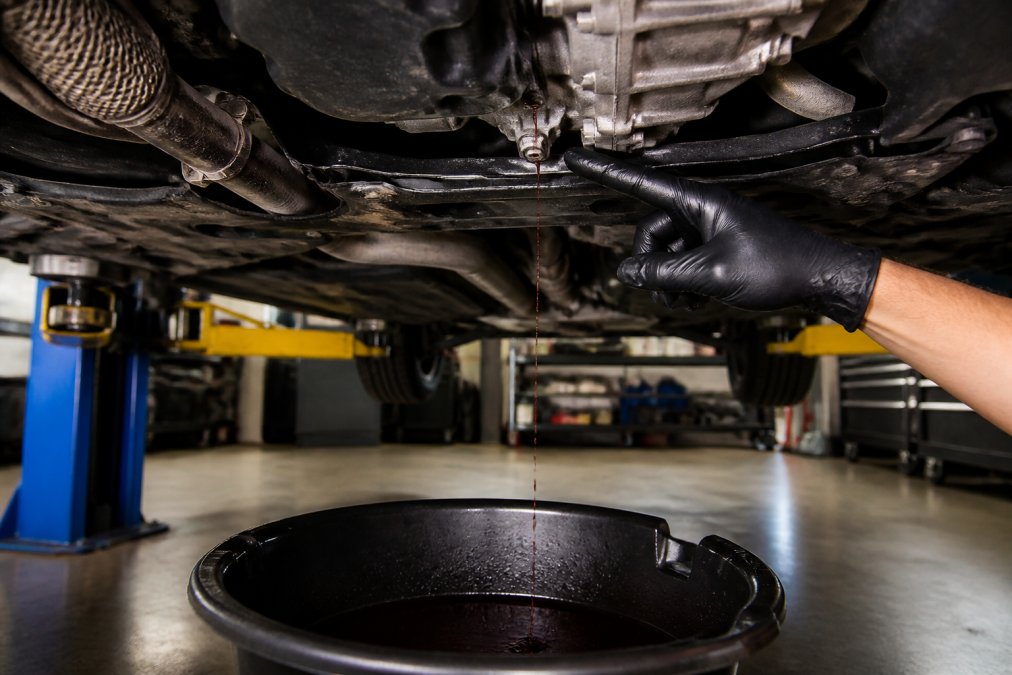
Here are the seven causes we see most often.
- Pan gasket failure. The gasket sealing the transmission pan hardens with heat cycles and eventually weeps.
- Drain plug leaks. A worn crush washer or an over-torqued plug lets fluid seep past the threads.
- Cooler line damage. Rust, road debris, or vibration cracks the lines that route fluid to the transmission cooling system.
- Output shaft seal failure. This seal keeps fluid inside where the driveshaft exits the transmission housing.
- Front pump seal wear. Located where the transmission meets the engine, this seal leaks fluid that can look like an engine oil leak.
- Torque converter seal leaks. A worn seal around the torque converter lets fluid escape at the bellhousing.
- Cracked transmission housing. Impact damage or extreme heat can crack the case itself, a more serious repair.
Pan Gasket Failure, Drain Plug Leaks, and Cooler Line Damage
Pan gasket failure is the single most common source of a transmission fluid leak under car owners notice first. The gasket sits between the pan and the transmission body, and constant heating and cooling makes it brittle over time.
Seal Failures: Output Shaft, Front Pump, and Torque Converter
Seal failure is a wear issue, not a maintenance oversight. Rubber seals harden with age and mileage, and once they lose flexibility, fluid pressure pushes past them.
How to Check Transmission Fluid Level and Find the Leak
Checking your transmission fluid level takes about five minutes and a level surface. Park the car, let the engine reach operating temperature, and leave it running in park for most automatic transmissions.
Low fluid confirms a leak somewhere. Now find it:
- Jack the car safely and support it on stands.
- Wipe down the transmission pan, cooler lines, and bellhousing.
- Add a leak detection dye to the fluid if the source stays hidden.
- Drive normally for a day, then inspect with a UV light.
- Trace the glowing trail upward to its highest wet point.
Is It Safe to Drive With a Transmission Leak?
A slow seep is usually safe for a short trip to a shop. A steady drip or a growing puddle is not, and continuing to drive risks turning a seal replacement into a full transmission rebuild.
Warning signs that mean stop driving immediately:
- Slipping or delayed shifts
- A burnt smell that won't go away
- Fluid spraying or pouring, not dripping
- The transmission warning light on the dash
Transmission Fluid Leak Repair Cost: What Affects the Price
Transmission fluid leak repair cost depends on where the leak is, how far the fluid has spread, and whether internal damage has already occurred. A pan gasket or drain plug fix sits at the low end, while a cracked housing or torque converter seal runs higher because the transmission has to come out.
Four things drive the price:
- Location of the leak. External seals cost less than internal ones.
- Labor time. Anything requiring transmission removal adds hours.
- Parts. Gaskets and seals are inexpensive; hard parts are not.
- Collateral damage. Burnt clutches or a damaged solenoid turn a leak fix into a rebuild.
Typical Cost Ranges by Leak Source
Because every vehicle and every leak is different, we recommend a proper inspection before any estimate. Speedy Roo Motorsports provides transparent, no-surprise quotes so you know what you're paying for and why.
| Leak Source | Typical Parts Cost | Typical Labor | Notes |
|---|---|---|---|
| Drain plug / crush washer | Under $10 | 0.5 hour or less | Often bundled with a fluid service |
| Pan gasket | $15-$60 | 1-2 hours | Fluid and filter usually replaced at the same time |
| Cooler line | $30-$150 | 1-3 hours | Rusted fittings can double labor |
| Output shaft seal | $10-$40 | 2-4 hours | Driveshaft must be removed |
| Front pump seal | $15-$50 | 5-8 hours | Transmission removal required |
| Torque converter seal | $20-$60 | 5-8 hours | Often replaced with front pump seal |
| Cracked housing | Varies widely | 8+ hours | Case replacement or rebuild |
What Can Push the Bill Higher
A leak that has been ignored long enough to starve the transmission of fluid can damage clutches, bearings, and the valve body. Once that happens, the repair shifts from a seal replacement to a rebuild or replacement unit, and the price jumps by an order of magnitude. Catching the leak early is the single biggest factor in keeping the bill small.
DIY vs. Professional Repair: A Decision Matrix
Most guides list leak causes but stop short of helping you decide whether a leak is a quick fix or a major overhaul. This section fills that gap. The goal is to help you classify your leak before you buy a single tool.
Step 1: Classify the Leak by Location
Fluid always runs downhill, so trace the wet trail to its highest point. Where that point sits tells you a lot about difficulty:
- At or below the pan rail, usually a gasket, drain plug, or pan bolt issue. These are the most DIY-friendly.
- Along the cooler lines or radiator, line, fitting, or cooler failure. Sometimes DIY, but rusted fittings are a common trap.
- At the bellhousing (where transmission meets engine), front pump seal, torque converter seal, or rear main seal. These require transmission removal and are not driveway jobs.
- At the tailshaft (where the driveshaft exits), output shaft seal. Driveshaft removal is required, and access is tight without a lift.
- On the case itself, a crack. This is a teardown or replacement, never a DIY fix.
Step 2: Match the Leak to the Matrix
| Leak Source | DIY Feasible? | Tools Needed | Risk If Delayed |
|---|---|---|---|
| Drain plug / washer | Yes | Socket set, torque wrench, new crush washer | Low |
| Pan gasket | Yes, with care | Jack, stands, gasket scraper, inch-pound torque wrench, sealant | Moderate |
| Cooler line | Sometimes | Line wrenches, flare nut wrenches, replacement line | High |
| Output shaft seal | No | Seal puller, lift access, driveshaft tools | High |
| Front pump / torque converter seal | No | Transmission removal, transmission jack | Severe |
| Cracked housing | No | Full teardown or replacement | Severe |
Step 3: Apply the Three-Question Test
Before you commit to DIY, answer these honestly:
- Can I reach the leak without removing the transmission? If no, stop. The job is beyond a driveway repair.
- Do I have a torque wrench that reads in inch-pounds? Pan bolts and drain plugs are easy to over-torque, and over-torquing causes the very leaks you are trying to fix.
- Can I afford to be wrong? If a DIY attempt strips a pan bolt or cross-threads a drain plug, the repair cost goes up, not down.
If you answer yes to all three, the top rows of the matrix are reasonable DIY work. If you answer no to any of them, a shop visit is the cheaper path.
What DIY Actually Saves
For a pan gasket or drain plug, DIY saves the labor portion of the bill, which is typically 1-2 hours at your local shop rate. For anything requiring transmission removal, DIY is not realistic without a lift, a transmission jack, and experience. The savings on a seal replacement rarely justify the risk of damaging the transmission.
Environmental Impact and Proper Cleanup
Transmission fluid is a petroleum product, and it does not belong in a storm drain, on your lawn, or down the sink. In the United States, used oil and transmission fluid are regulated as hazardous waste in many states, so proper disposal matters.
Conclusion
A transmission fluid leak rarely fixes itself, and the longer you wait, the more expensive the outcome. Catching a pan gasket or drain plug early keeps the repair small; ignoring a seal or cooler line failure can cost you a transmission.
Frequently Asked Questions
What is the most common cause of a transmission fluid leak?
The transmission pan gasket is the most common source. Heat cycling hardens the gasket over time, letting fluid seep past the seal. Drain plug washers and cooler line fittings are next on the list. A trained technician can pinpoint the source with a lift and UV leak detection dye in under an hour.
How long can I drive with a transmission fluid leak?
A slow seep might last weeks if you top off the fluid, but a steady drip can drain the pan in days. Low fluid causes slipping gears, delayed shifting, and heat buildup that damages the transmission. Check the level weekly and schedule a transmission fluid leak repair before small drips become a rebuild.
Can I use stop-leak additives to fix a transmission leak?
Stop-leak products swell old seals and can slow a minor seep, but they do not fix a cracked pan, a torn gasket, or a damaged cooler line. They also change fluid viscosity, which can affect shift quality in Japanese automatics. Use them only as a short-term measure while you save for a proper repair.
What color is transmission fluid and how do I identify it?
Fresh transmission fluid is red and translucent. As it ages, it turns brown or dark amber, and a burnt smell means the fluid has overheated. If the drip on your driveway is reddish and slippery, it is likely transmission fluid. Black or gritty fluid can mean internal damage and needs a mechanic's inspection.