 how-to
Extend CVT Transmission Lifespan: 7 Proven Steps
Table of Contents
- Why CVT Transmission Lifespan Matters for Japanese Car Owners
- Understanding CVT Reliability and Common Failure Points
- CVT Fluid Change Interval: The Foundation of Long-Term Health
- Choosing the Right CVT Transmission Fluid Type
- Recognizing Signs of CVT Transmission Problems Early
- Preventing CVT Transmission Overheating
- Driving Habits That Extend CVT Life
- Temperature Management and Transmission Cooler Maintenance
- Frequently Asked Questions
Last Updated: October 19, 2026
Why CVT Transmission Lifespan Matters for Japanese Car Owners
If you own a Japanese vehicle with a continuously variable transmission, you're driving one of the most efficient powertrains ever built. But CVTs demand more attention than traditional automatics. At Speedy Roo Motorsports, we've spent over two decades servicing Japanese cars, and to extend CVT transmission lifespan isn't just about routine maintenance, it's about understanding what makes these systems tick and what breaks them down.
A CVT uses a belt and pulley system instead of fixed gears, delivering smooth acceleration and better fuel economy but working harder and generating more heat than conventional gearboxes. The difference between a CVT that fails at 80,000 miles and one that runs strong at 200,000 miles often comes down to maintenance.
Most owners change the fluid only when a warning light comes on, if it comes on at all. That approach doesn't work with CVTs. These transmissions don't forgive neglect: the fluid breaks down faster, the belt wears quicker, the cooler gets clogged, and small problems snowball into costly failures.
The good news: extending CVT transmission lifespan is entirely within your control. You don't need special tools or expert knowledge, just the right steps at the right time.
Understanding CVT Reliability and Common Failure Points
CVT transmissions are reliable when maintained properly but fail fast when neglected. The difference between a 150,000-mile transmission and one that dies at 60,000 miles usually isn't bad luck, it's missed maintenance.
The belt rides on two pulleys that change diameter to shift the gear ratio smoothly and continuously, hence "continuously variable." But the belt experiences constant friction and heat, and metal particles shed from the pulleys contaminate the fluid. If the fluid isn't changed regularly, these particles circulate and accelerate wear.
Transmission fluid does four critical jobs: it lubricates the belt and pulleys, cools the system, transfers power hydraulically, and protects against corrosion. When fluid breaks down, all four suffer: the belt slips, the system overheats, power transfer becomes inefficient, and rust forms inside.
Common CVT failure signs include shuddering during acceleration, a burning smell, delayed response when shifting, or a grinding noise. Some owners describe it as the transmission slipping: you press the gas but the engine revs without the car accelerating smoothly.
The sealed transmission design on many Japanese CVTs creates another challenge: you can't easily see the fluid condition or check the level. Many owners assume "sealed for life" means the fluid never needs attention. That's false.
CVT Fluid Change Interval: The Foundation of Long-Term Health
Why Fluid Changes Matter More Than You Think
Transmission fluid is the lifeblood of your CVT. Every mile, it absorbs heat, breaks down chemically, and collects microscopic metal particles from the belt and pulleys.
Fresh fluid maintains its protective film between moving parts; degraded fluid becomes thinner and offers less protection. The friction modifiers that help the belt grip the pulleys break down over time, so the belt slips more easily. This accelerates in hot climates and during heavy driving like towing.
Many owners believe sealed transmissions don't need fluid changes. This is one of the most expensive myths in automotive maintenance. A sealed transmission doesn't mean the fluid lasts forever. It means you can't easily access it. The fluid still degrades.
At Speedy Roo Motorsports, we've seen transmissions fail at 80,000 miles because owners skipped fluid changes. We've also serviced vehicles with 250,000 miles on the original transmission because the owner followed the manufacturer's drain and fill schedule religiously.
Recommended Drain and Fill Schedule
Your owner's manual specifies the fluid change interval for your vehicle, and it's the most important number you need to know. Don't guess or follow what your friend did. Check your manual.
For most Japanese CVTs, the recommended interval is 30,000 to 60,000 miles, though this varies by manufacturer and model year. Toyota often recommends 30,000-mile intervals, Subaru typically 60,000, and Nissan, Mitsubishi, Honda, and Acura each have their own schedules.
Severe driving conditions require more frequent changes. If you tow, drive in stop-and-go traffic regularly, or live in a hot climate, change the fluid every 30,000 miles regardless of the manual. The cooler works harder, so the fluid heats up faster and breaks down quicker.
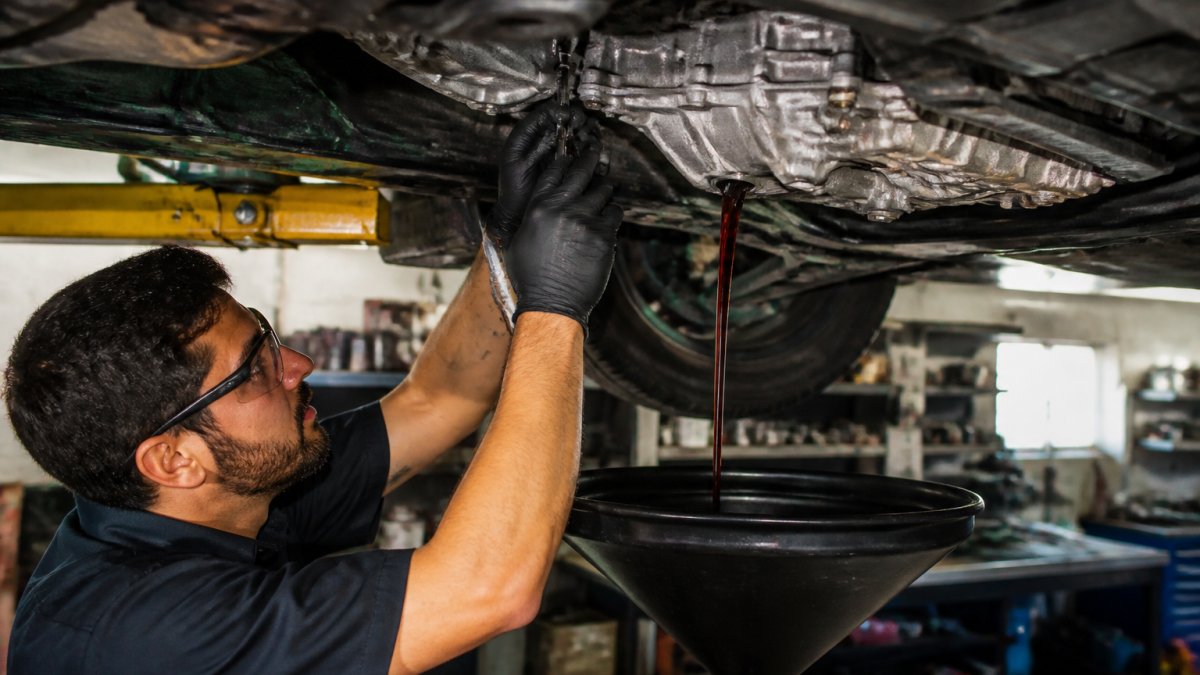
A drain and fill removes the old fluid and replaces it with fresh fluid, unlike a flush, which forces new fluid through the entire system. For CVTs, a drain and fill is usually the right choice: a flush can dislodge debris sitting in the pan and send it through the transmission, causing more damage.
Mark your calendar and set a phone reminder. The $150 to $300 cost of a fluid change is insurance against a $3,000 to $5,000 transmission repair.
Choosing the Right CVT Transmission Fluid Type
Not all transmission fluids are created equal. Using the wrong fluid can damage your CVT faster than using no fluid at all.
CVT transmission fluid type matters because fluids differ in viscosity grades, friction modifiers, and additive packages. Your transmission was engineered for a specific fluid, and a substitute can change how the belt grips the pulleys, affecting shift quality and transmission life.
The most common mistake is mixing CVT fluid with regular automatic transmission fluid. They're not interchangeable: CVT fluid is thinner with friction modifiers optimized for belt-and-pulley systems, while regular ATF is heavier and designed for gear-based transmissions.
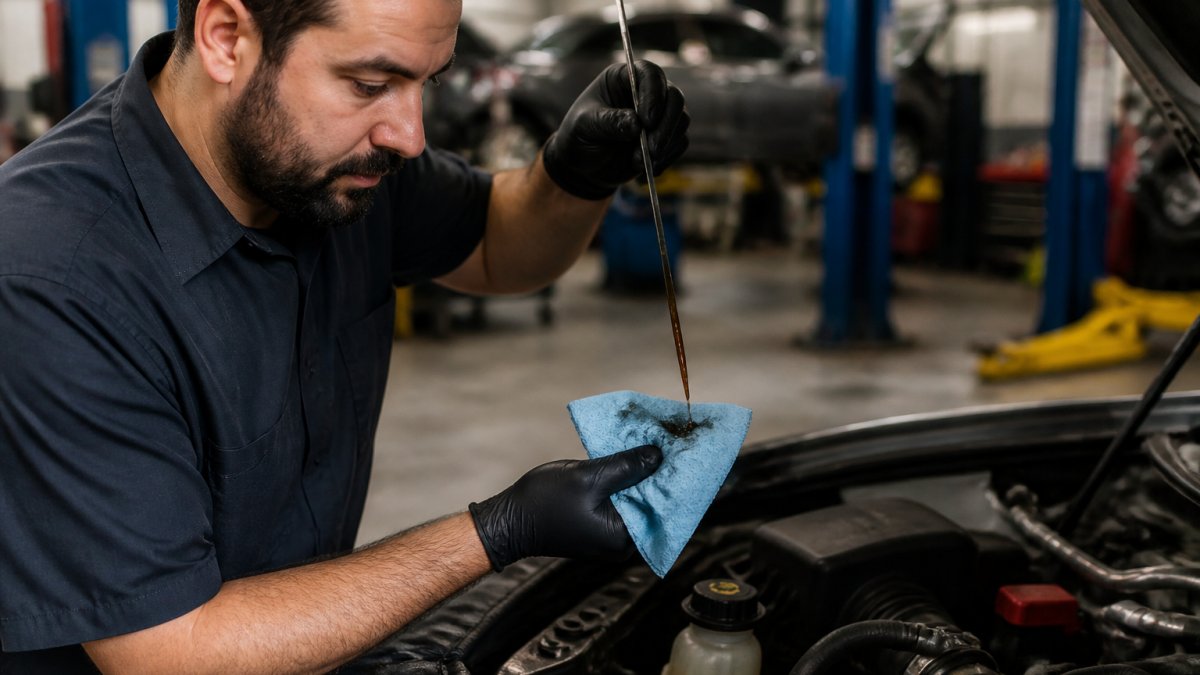
Your owner's manual specifies the exact fluid your transmission needs.
Some aftermarket fluids claim to work in multiple CVT systems. Be skeptical: universal fluids rarely perform as well as manufacturer-specific fluid, and the $20 or $30 you save isn't worth the risk to a transmission worth thousands.
Always check fluid color before and after a change. Fresh CVT fluid is bright or clear red; degraded fluid turns dark brown or black.
Recognizing Signs of CVT Transmission Problems Early
Catching problems early saves money and prevents complete transmission failure. Know what to listen for and feel for.
Shuddering is the most common early warning sign. You're driving smoothly, then suddenly the car vibrates or jerks for a moment. This happens because the belt is slipping slightly on the pulleys.
Acceleration lag is another red flag. You press the gas pedal and the car hesitates before responding. The engine revs but the car doesn't accelerate smoothly, with a delay between throttle input and wheel movement.
A burning smell from the transmission area is serious. It means the fluid is overheating and breaking down. If you smell this, stop driving and have the transmission inspected immediately. Continued driving will cause rapid damage.
Grinding or whining noises are also concerning. A healthy CVT is nearly silent. Grinding suggests metal-on-metal contact inside the transmission. Whining might indicate a problem with the transmission pump or cooler.
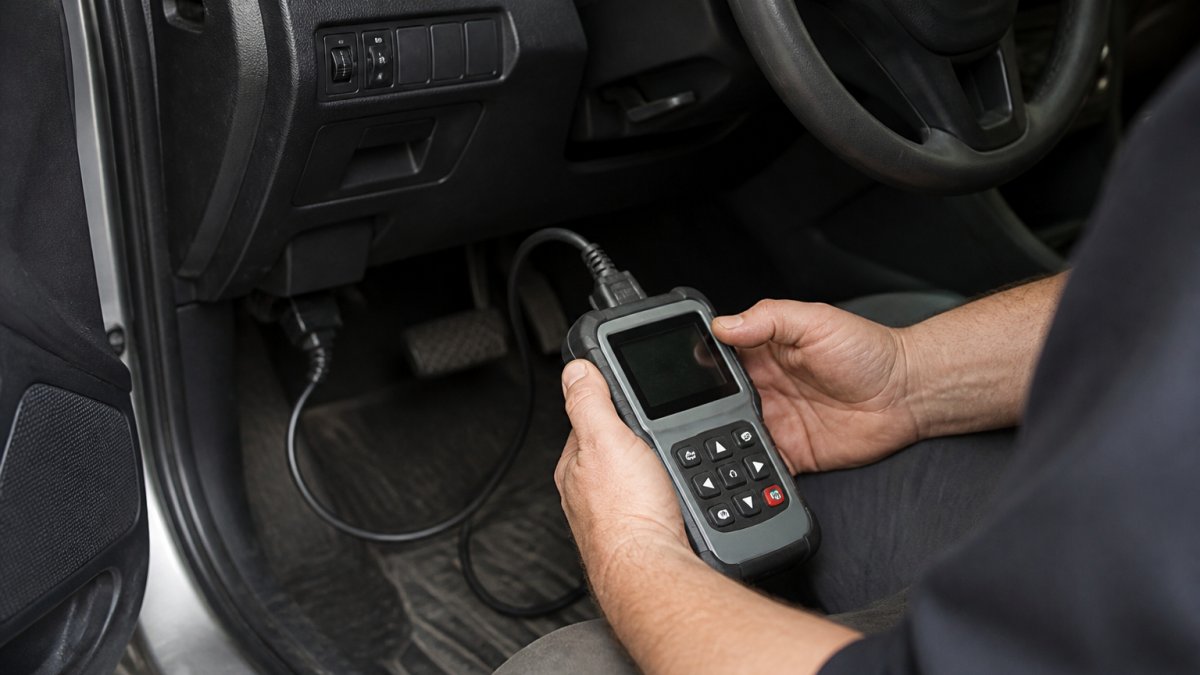
Some CVTs display diagnostic trouble codes when problems develop. If your check engine light comes on, have the codes read. Transmission-related codes often point to fluid quality, temperature, or sensor issues, all fixable with proper diagnosis.
Don't ignore warning signs hoping they'll go away. CVT problems don't improve on their own. A small issue today becomes a major repair tomorrow.
Preventing CVT Transmission Overheating
Heat is the enemy of CVT transmissions. Excessive heat breaks down the fluid, weakens the belt, and accelerates wear on all internal components.
The transmission cooler is your first line of defense against overheating. It's similar to a radiator but designed to cool transmission fluid instead of engine coolant. When the cooler gets clogged with debris, the fluid can't cool properly, temperature rises, and the fluid breaks down faster.
Check your transmission cooler regularly. If your vehicle has been driven in dusty conditions or towing heavy loads, the cooler might be clogged, forcing the transmission to work harder and run hotter.
Some owners add an auxiliary transmission cooler for extra protection. This is especially smart if you tow, live in a hot climate, or drive aggressively. An auxiliary cooler provides additional cooling capacity and helps keep fluid temperature in the safe zone.
Driving habits affect transmission temperature significantly. Aggressive acceleration, frequent gear shifting, and towing all generate heat. Smooth, gradual acceleration and gentle shifting keep temperatures lower.
Monitor your transmission temperature if your vehicle has a temperature gauge. Most CVTs should stay below 200 degrees Fahrenheit during normal driving.
Driving Habits That Extend CVT Life
How you drive matters as much as how you maintain your CVT. Certain driving habits accelerate wear while others preserve transmission life.
Smooth acceleration is the single best driving habit to extend CVT transmission lifespan. Instead of punching the gas pedal hard, apply throttle gradually.
Avoid jackrabbit starts and hard acceleration. These habits stress the belt and cause it to slip against the pulleys. Repeated hard acceleration degrades the belt faster and generates excessive heat.
Minimize towing if possible. Towing puts extreme stress on CVT transmissions: the system works much harder to move the extra weight, temperature climbs, and the fluid breaks down faster.
Avoid rapid downshifting. Some drivers downshift aggressively to slow the car, using the transmission as a brake. This stresses the belt and pulleys. Use the actual brakes instead.
Let the transmission warm up before driving hard. In cold weather, transmission fluid is thicker and doesn't flow as freely. Gentle driving for the first few miles allows the fluid to reach proper viscosity, reducing stress during warm-up.
Avoid sitting in traffic with your foot on the brake. This keeps the transmission engaged and generates unnecessary heat. If you're stopped for more than a few seconds, shift to neutral or park to reduce heat and extend fluid life.
Temperature Management and Transmission Cooler Maintenance
Temperature management is the foundation of CVT longevity. A well-functioning transmission cooler is essential.
The transmission cooler removes heat from the fluid.
Over time, the cooler accumulates debris, dust, dirt, bugs, and road grime. This buildup restricts airflow and reduces cooling capacity. A clogged cooler can't dissipate heat effectively. Fluid temperature rises. The transmission overheats.
Inspect your transmission cooler periodically, especially if you drive in dusty conditions or on unpaved roads. Look for visible debris or discoloration.
Some vehicles have transmission cooler lines that can develop leaks. A slow leak might not be obvious, but it causes fluid loss, which means less cooling capacity and reduced lubrication.
In hot climates or during summer driving, monitor transmission temperature more closely. Consider adding an auxiliary transmission cooler if you live in a consistently hot area.
A transmission cooler in good condition is one of the best investments in CVT longevity. The relatively small cost of cleaning or replacing a cooler is cheap insurance against transmission failure.
Extending CVT transmission lifespan comes down to understanding what your transmission needs and delivering it consistently. Change the fluid on schedule. Use the correct fluid type. Monitor for warning signs.
At Speedy Roo Motorsports, we've helped countless Japanese car owners avoid costly transmission repairs by following this maintenance approach.
Frequently Asked Questions
How often should you change CVT fluid?
Most Japanese vehicle manufacturers recommend checking your CVT transmission fluid every 30,000 miles and performing a drain and fill between 60,000 and 100,000 miles, depending on your specific model and driving conditions. Severe driving conditions, such as towing, frequent stop-and-go traffic, or extreme temperatures, may require more frequent changes. Always consult your owner's manual for the exact CVT fluid change interval for your vehicle, as specifications vary by manufacturer.
What are the signs of CVT transmission problems?
Watch for acceleration lag, slipping (where engine RPMs spike without matching acceleration), shuddering during gear transitions, or a burning smell. Diagnostic trouble codes on your dashboard should be read immediately. If you notice any of these signs of CVT transmission problems, have your transmission inspected by a qualified technician before damage worsens.
Can changing CVT fluid improve transmission life?
Yes. Regular fluid changes remove metal shavings, thermal breakdown byproducts, and degraded friction modifiers that accumulate over time. Fresh fluid with proper viscosity maintains the belt and pulley system's efficiency and reduces overheating. This preventative maintenance is one of the most effective ways to extend CVT transmission lifespan and avoid costly mechanical failure.
Why does CVT transmission overheating happen, and how do I prevent it?
CVT transmission overheating occurs when fluid viscosity breaks down under sustained high temperatures, often caused by towing, aggressive driving, or a failing transmission cooler. Prevent overheating by monitoring your transmission temperature gauge, avoiding towing beyond your vehicle's towing capacity, maintaining proper fluid levels, and having your transmission cooler inspected annually. If you tow regularly, consider upgrading to a heavy-duty cooler.