 how-to
Do Aftermarket Parts Affect Car Resale Value?
Table of Contents
- How Aftermarket Parts Affect Resale Value
- Car Modifications That Decrease Value
- Should I Remove Modifications Before Selling My Car?
- Aftermarket Parts and Trade-In Value
- Do Aftermarket Parts Affect Warranty Coverage?
- Preparing Your Modified Vehicle for Sale
- Conclusion
- Frequently Asked Questions
Last Updated: October 13, 2026
How Aftermarket Parts Affect Resale Value
Do aftermarket parts affect car resale value? Yes, but not always as you'd expect.
We've worked with countless Japanese vehicle owners in the Denver Metro area who invested in aftermarket upgrades.
The key factor is buyer appeal. Most used-vehicle buyers want reliability and predictability, preferring original equipment manufacturer (OEM) parts and stock configurations.
Understanding how your specific modifications affect resale value helps you decide what to upgrade and what to leave alone.
Car Modifications That Decrease Value
Cosmetic and Body Modifications
Cosmetic changes are among the most common modifications and the most likely to reduce resale value. Custom paint jobs, body kits, spoilers, and aggressive styling appeal to a narrow segment of buyers, shrinking your buyer pool.
A factory paint job in a standard color appeals to nearly every buyer; a custom matte black or neon finish appeals to maybe 5 percent of the market, meaning lower offers and longer sales timelines.
Poor installation makes cosmetic modifications worse.
Performance Upgrades and Engine Modifications
Engine modifications and performance upgrades create significant concerns.
Modified engines also raise warranty questions. Most manufacturers void warranties on modified vehicles, a major concern for buyers who want protection against expensive repairs.
Performance upgrades can also void or complicate insurance.
Engine modifications also create emissions and legal concerns. A modified engine might not pass emissions testing in all states, and some modifications are outright illegal in certain jurisdictions.
Custom Wheels, Tires, and Exhaust Systems
Custom wheels are incredibly popular, with owners investing hundreds or thousands of dollars in aftermarket alloy wheels. Unfortunately, most buyers prefer the originals.
Custom wheels often don't match the vehicle's original specifications and can affect handling, fuel economy, and ride quality.
Custom exhaust systems have a similar problem. The owner loves the aggressive sound; the buyer hears noise pollution and worries about street legality.
Tire quality matters too.
Should I Remove Modifications Before Selling My Car?
The decision to remove modifications is really two questions: Can it be reversed cleanly, and should it be? Reversibility drives both cost and buyer confidence, so work through them together.
A reversibility guide by modification type
| Modification | Reversible? | What reversal typically involves | Effect on buyer pool if reversed |
|---|---|---|---|
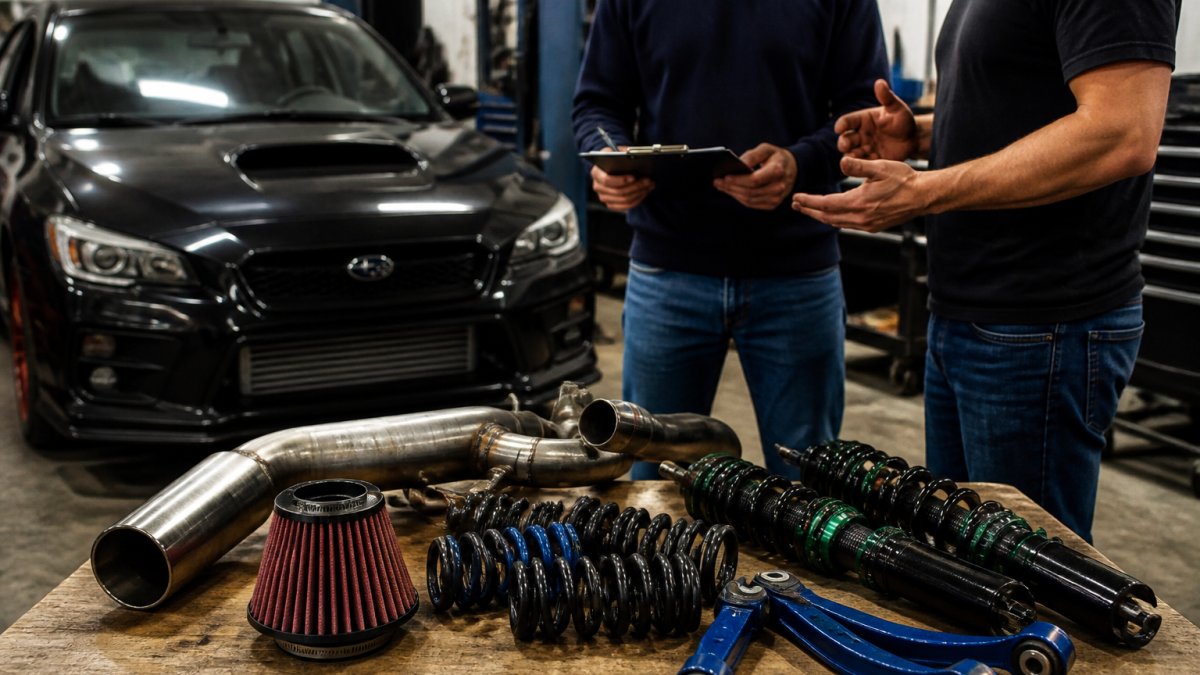
| Cat-back exhaust | Usually yes | Bolt-on swap back to factory exhaust; keep the stock unit | Broadens appeal; removes noise and legality concerns |
| Cold-air intake | Usually yes | Swap back to factory airbox; may need a reflash if tuned | Broadens appeal; removes tuning questions |
| Aftermarket wheels | Yes | Mount factory wheels and tires | Broadens appeal; removes fitment and ride concerns |
| Coilover or lowering springs | Yes, but labor-heavy | Reinstall factory struts/springs; realign | Broadens appeal; removes scraping and ride-quality concerns |
| Head unit / audio | Usually yes | Reinstall factory head unit; wiring may need repair | Broadens appeal; removes wiring-integrity concerns |
| Body kit, spoiler, widebody | Sometimes | Remove and repair mounting holes; repaint affected panels | Broadens appeal only if paint and panels are restored correctly |
| Custom paint or wrap | Wrap: yes. Paint: no | Wrap removal is straightforward; paint requires a full respray | Wrap removal broadens appeal; paint does not |
| Engine internals, turbo, tune | Rarely clean | Return to stock ECU and hardware; may not be fully reversible | Often not practical; document instead |
| Roll cage, gutted interior | No | Structural and cosmetic restoration | Not practical; sell to the right buyer |
The cost-benefit math
Run the numbers in three steps:
- Estimate the stock-equivalent value. What would the car sell for with the modification removed and factory parts reinstalled?
- Estimate the as-is value. What are comparable modified cars actually selling for in your area and channel?
- Subtract the reversal cost. Parts (if you no longer have the originals), labor, alignment, paint, and any repair to mounting points or wiring.
If the stock-equivalent value minus reversal cost is meaningfully higher than the as-is value, remove the modification. If the gap is small or negative, keep it and market to the right buyer.
When removal is clearly worth it
- You still have the factory parts in good condition.
- The modification is bolt-on and the labor is a few hours.
- The modification is loud, aggressive, or legally questionable, exhaust, tint, lighting, suspension height.
- You're selling through a mainstream channel where buyers expect stock.
When keeping the modification makes more sense
- Reversal requires paint, welding, or structural work.
- You no longer have the factory parts, and sourcing them costs more than the value gain.
- The modification is exactly what a specific enthusiast buyer wants.
- The car is being sold as a project or track car where the build is the value.
What to do with the parts you remove
Don't discard factory parts. Offer them with the car or sell them separately. Including the stock wheels, exhaust, or intake signals confidence: the buyer can revert the car and knows you kept the original equipment, often worth more than any listing description.
The disclosure rule
Whatever you decide, disclose. A buyer who discovers a removed modification, reflashed ECU, or repaired mounting point after the sale will lose trust and may walk away or renegotiate. Document what was installed, removed, and remains, transparency converts a modified car from a liability into a selling point.
Aftermarket Parts and Trade-In Value
Trade-in and private sale are two different markets, and modifications are priced very differently in each. Understanding why is the most useful thing a modified-car owner can learn before selling.
Why dealers discount modifications
A dealership appraises your car against wholesale value, then reconditions and retails it. That model depends on predictability: a stock vehicle of known year, make, model, trim, and mileage has an established book value. Modifications break it in three ways:
- No book value. Appraisal tools and wholesale guides price stock configurations. A coilover suspension, a cat-back exhaust, or a big-turbo kit has no line item, so the appraiser typically values the car as if it were stock, or applies a deduction for the perceived risk.
- Narrower resale audience. A dealer's retail lot sells to mainstream shoppers. A modified car sits longer, and floorplan costs and lot aging push the dealer to protect margin by offering you less up front.
- Reconditioning and liability. Non-OEM parts can complicate a dealer's own warranty obligations and state inspection or emissions requirements. Many dealers simply won't retail a heavily modified car and will only take it to wholesale auction, which caps their offer.
A common pattern is that a dealer credits you little or nothing for the parts you installed, even high-quality ones, and may deduct for anything that looks like it could fail an inspection or scare a retail buyer.
Why private sale usually pays more for modifications
The private market contains buyers who specifically want what you built. An enthusiast forum member or car-club member who was going to install the same parts anyway will pay for them, saving that buyer cost and hassle.
The trade-off is time and risk. Private sales take longer and require screening buyers and more negotiation; a dealer trade-in is fast and certain but priced for the dealer's risk, not your build.
How to get a modified car valued fairly
- Get a baseline stock value first. Use a national valuation tool or a local dealer's written offer on the car as if it were stock. That number is your floor and your negotiating anchor.
- Build a parts-and-labor file. Receipts, install invoices, dyno sheets, alignment sheets, and photos of the work. A buyer or appraiser can only credit what they can verify.
- Separate reversible from permanent. If you still have the factory wheels, exhaust, intake, or suspension, note it. Reversibility is worth real money to a cautious buyer and to a dealer who wants to retail the car stock.
- Shop the car to the right channel. Enthusiast forums, marque-specific classifieds, and local car meets reach buyers who value the build. A generic listing site reaches mostly mainstream shoppers who see the modifications as risk.
- Consider a specialty appraisal. For a heavily built or collector-grade car, an independent appraisal that documents market comparables can support a higher asking price and give a private buyer confidence.
- Price against comparables, not against your receipts. What you spent on parts is not market value. What similar modified cars are actually selling for in your region is.
The bottom line on trade-ins
Expect a dealer to value your car close to stock, minus a risk discount for anything unusual. Expect a private buyer who wants your specific build to pay more, sometimes meaningfully more, but only if you can document the work and reach that buyer. The gap between those two numbers is the real cost of modifying a car you plan to sell.
Do Aftermarket Parts Affect Warranty Coverage?
Yes, aftermarket parts can significantly affect warranty coverage (Auto Warranties and Auto Service Contracts).
When you modify your vehicle, you take responsibility for mechanical issues.
This warranty concern directly impacts resale value.
Documentation matters. Proving modifications were done professionally and didn't affect core systems partially mitigates warranty concerns, but can't eliminate them.
Buyers considering your modified vehicle should understand they're assuming all warranty risk. That conversation during negotiations will likely result in a lower final price.
Preparing Your Modified Vehicle for Sale
Preparing a modified vehicle for sale requires strategy.
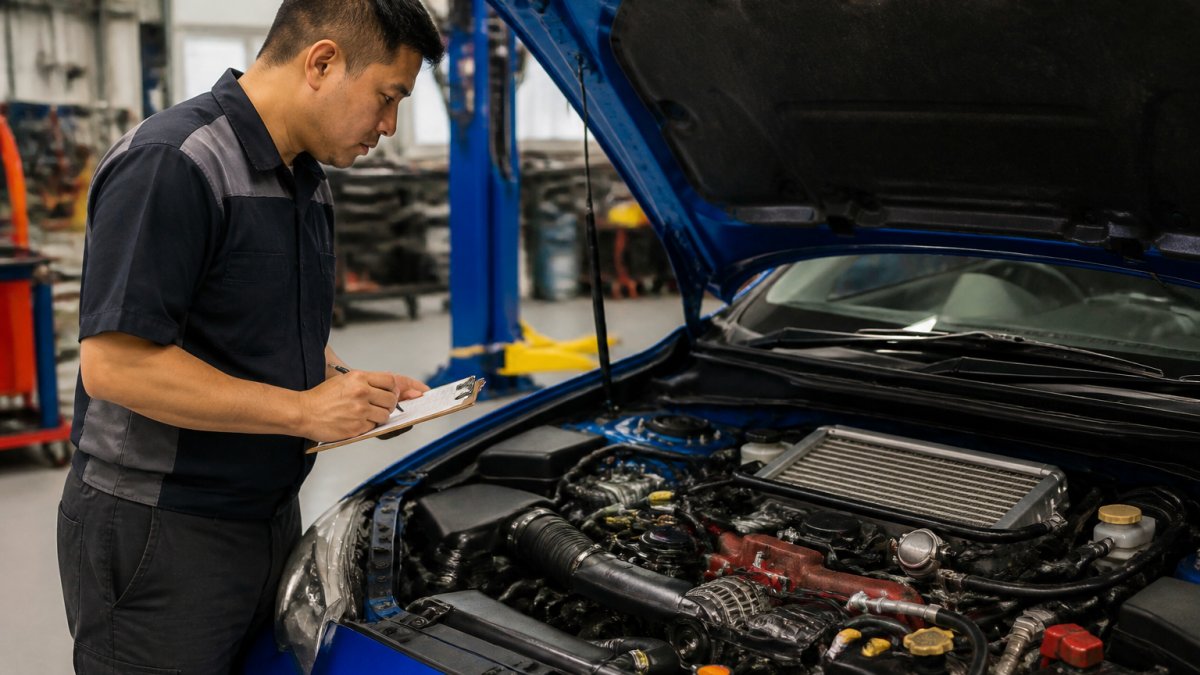
Start by documenting everything.
Clean and detail the vehicle thoroughly. A dirty, neglected modified car suggests poor maintenance; a spotless one suggests the owner cared.
Consider your sales channel carefully.
Price realistically. Research comparable stock and modified vehicles.
Be honest about modifications in your listing. Don't hide them or downplay them. Buyers will discover them during inspection anyway.
Conclusion
Aftermarket parts typically decrease car resale value, especially when cosmetic, poorly installed, or appealing to a narrow buyer base.
At Speedy Roo Motorsports, we recommend thinking about resale value before major modifications. If you're keeping your Japanese vehicle long-term, modify away.
If you've already invested in modifications and plan to sell, focus on documentation, cleanliness, and honest marketing, and find buyers who actually want what you've built.
Frequently Asked Questions
Do aftermarket parts increase or decrease a car's resale value?
Aftermarket parts typically decrease resale value because most buyers prefer stock vehicles with original equipment. Modified vehicles narrow the buyer pool significantly. Personal modifications appeal only to enthusiasts willing to pay for them, while general buyers worry about reliability, warranty voidance, and installation quality. Trade-in offers from dealers almost always reflect a reduction when aftermarket parts are present, as dealers must revert vehicles to stock or discount heavily to move them.
Which modifications hurt resale value the most?
Extreme cosmetic changes like body kits, lowered suspensions, and custom paint jobs hurt appeal most because they narrow buyer preferences dramatically. Performance upgrades and engine modifications raise concerns about reliability and warranty issues. Cheap aftermarket parts installed poorly damage value more than quality parts installed professionally. Custom exhaust systems and upgraded sound systems also deter buyers seeking factory reliability. Reversible modifications fare better than permanent ones, but even quality aftermarket wheels and tires typically don't recover their cost.
Should I remove aftermarket parts before selling my car?
Removing modifications before sale depends on installation quality and your sale channel. If parts were installed poorly or are cheap quality, removal improves appeal to general buyers. For private sales to enthusiasts, keeping quality modifications may work if you document everything. Trade-in offers rarely improve after removal since dealers already factor in the modification history. High-quality, reversible modifications like premium wheels can stay if documented well. Always get a professional appraisal first to determine whether removal or disclosure serves your resale goals better.
Does using aftermarket parts affect my vehicle's warranty?
Yes, aftermarket parts can void your manufacturer's warranty, especially if the modification directly relates to a failure. Federal law under the Magnuson-Moss Warranty Act prohibits blanket warranty denials for aftermarket parts, but manufacturers can deny coverage for specific failures caused by modifications. Engine and transmission modifications carry the highest risk of warranty voidance. Documentation of professional installation and OEM-quality parts helps protect warranty coverage. Always review your warranty terms before installing aftermarket components, as some modifications may only void coverage for affected systems rather than the entire vehicle.