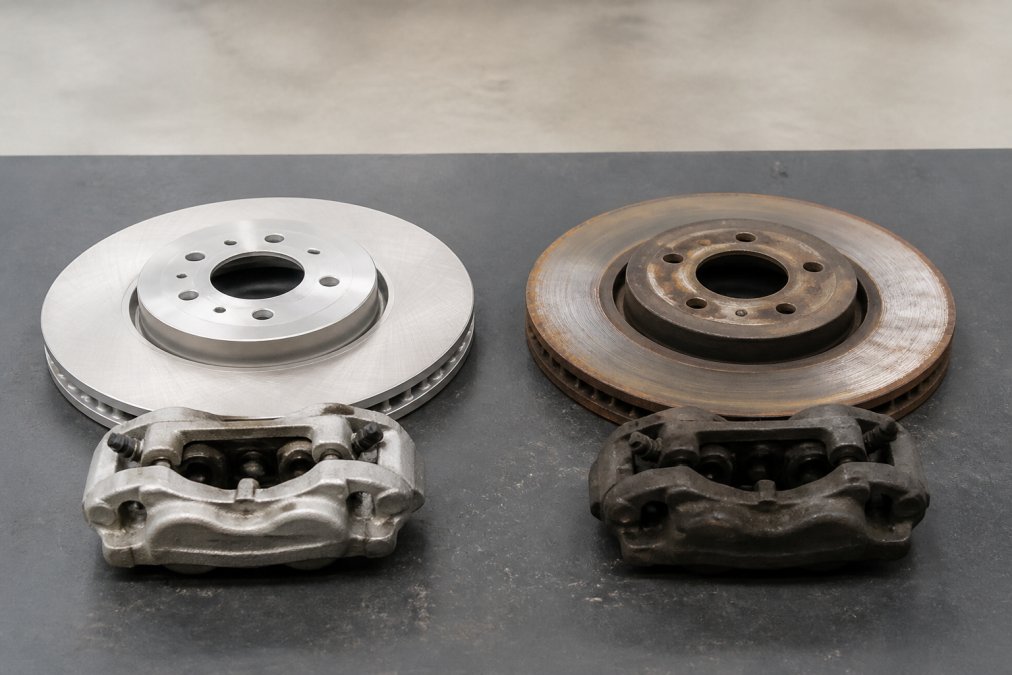
 comparison
OEM vs Aftermarket Parts: Key Differences
Table of Contents
- What Are OEM Parts?
- What Are Aftermarket Parts?
- OEM vs Aftermarket Parts: Key Differences Explained
- Cost Comparison: OEM vs Aftermarket
- Benefits of Using OEM Parts for Japanese Cars
- Do Aftermarket Parts Void Your Car Warranty?
- Performance vs. Cosmetic Parts: What Matters
- How to Identify Counterfeit and Low-Quality Parts
- Frequently Asked Questions
Last Updated: August 28, 2026
What Are OEM Parts?
OEM parts are original equipment manufacturer components, the exact same parts installed on your vehicle at the factory. They're produced by the vehicle manufacturer or an approved supplier to precise specifications and quality standards.
When Toyota builds a Camry, every component meets Toyota's engineering requirements. A genuine OEM replacement is manufactured to those same standards, designed and tested specifically for your vehicle's make, model, and year. OEM parts carry the manufacturer's warranty and are backed by rigorous quality control.
What Are Aftermarket Parts?
Aftermarket parts are replacement components manufactured by third-party companies, not the original vehicle manufacturer. They're designed to fit and function in your vehicle but are made by independent suppliers.
Aftermarket manufacturers range from large, established companies like DENSO and ACDelco to smaller regional suppliers. Quality varies dramatically, some parts meet or exceed original specifications, while others prioritize cost over durability. A single brake pad for your Honda might be available from five different suppliers, each with different materials and performance profiles.
OEM vs Aftermarket Parts: Key Differences Explained
The choice between OEM and aftermarket parts affects your vehicle's performance, warranty status, repair costs, and long-term reliability.
Fitment and Compatibility
OEM parts are engineered for exact fitment. A genuine Subaru part for a Subaru will fit perfectly because it was designed for that exact platform.
Aftermarket parts vary in precision. Quality manufacturers like DENSO design components to meet original specifications, ensuring proper fit and function. Budget alternatives sometimes cut corners on precision, leading to installation issues or poor performance. On modern Japanese vehicles with integrated electronics, fitment precision matters, a misaligned sensor or poorly-fitting connector can trigger warning lights or cause performance degradation.
Quality Control and Performance Standards
OEM parts undergo rigorous testing under the manufacturer's oversight. Toyota's parts meet Toyota's standards; Subaru's meet Subaru's standards. This consistency ensures you know exactly what you're getting.
Aftermarket manufacturers have varying quality control levels. DENSO, a global Tier 1 supplier to major automakers, builds parts to or above OE specifications with stringent quality control (denso.com). Budget suppliers may have minimal testing and oversight. For critical systems like brakes, steering, and suspension, this difference is significant.
Warranty Coverage and Installation
OEM parts come with the manufacturer's warranty. If a genuine Toyota part fails prematurely, Toyota stands behind it.
Aftermarket parts carry warranties from their manufacturers, which may be shorter or more limited. A budget part might carry a 30-day warranty, while a quality alternative from DENSO might offer 12 months or more.
Professional installation at a reputable shop protects both your warranty and your vehicle's integrity. Incorrect installation can void warranty coverage regardless of whether the part is OEM or aftermarket.
Cost Comparison: OEM vs Aftermarket
OEM parts typically cost more than quality aftermarket alternatives. Budget aftermarket parts cost less than OEM but often sacrifice durability and performance.
The real cost calculation extends beyond initial purchase price. A cheap aftermarket part failing after 18 months costs more in total expense than an OEM part lasting five years. Quality aftermarket brands like DENSO occupy the middle ground: less expensive than OEM but more than budget alternatives, with reliability comparable to factory parts.
| Component | OEM Cost | Quality Aftermarket | Budget Aftermarket | Typical Lifespan |
|---|---|---|---|---|
| Brake Pads | Consult for pricing | Consult for pricing | Consult for pricing | OEM: 4-5 yrs / Aftermarket: 2-3 yrs |
| Water Pump | Consult for pricing | Consult for pricing | Consult for pricing | OEM: 5-7 yrs / Aftermarket: 2-4 yrs |
| Alternator | Consult for pricing | Consult for pricing | Consult for pricing | OEM: 6-8 yrs / Aftermarket: 3-5 yrs |
| Air Filter | Consult for pricing | Consult for pricing | Consult for pricing | OEM: 12-15 months / Aftermarket: 8-12 months |
Benefits of Using OEM Parts for Japanese Cars
Japanese vehicles are engineered with precision. Subaru's symmetrical all-wheel drive, Toyota's hybrid systems, and Honda's VTEC technology are finely-tuned ecosystems (peer-reviewed research). OEM parts preserve that engineering integrity.
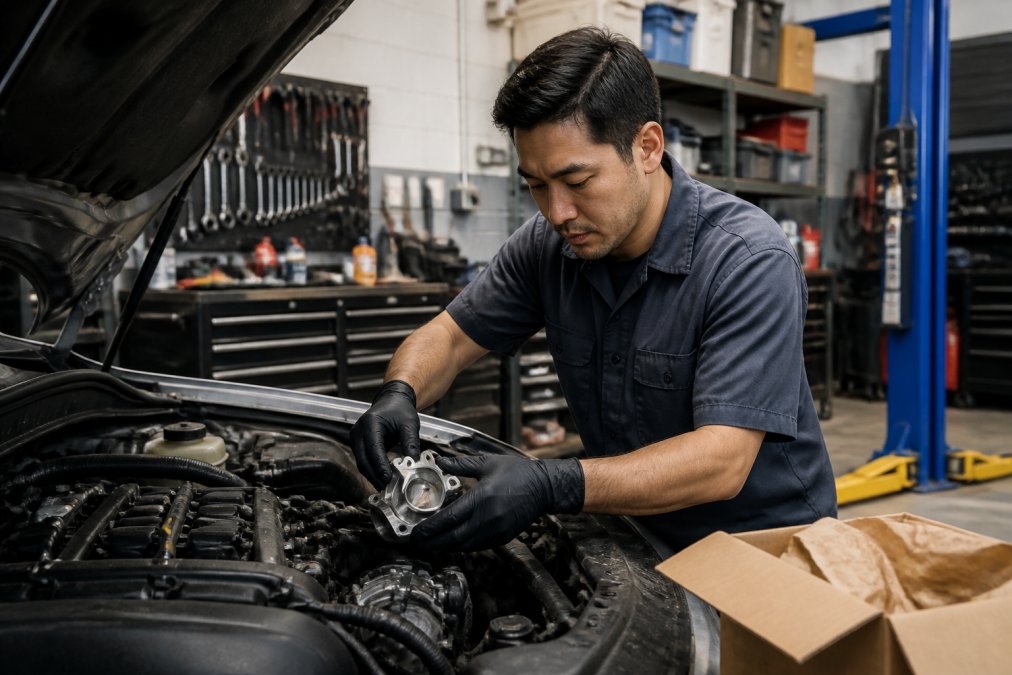
Preserved Warranty Coverage. Using OEM parts maintains your vehicle's factory warranty. Installing a non-OEM part that causes damage to a related system may result in warranty denial on both components.
Consistent Performance. OEM parts integrate seamlessly with your vehicle's existing systems. There's no guesswork about compatibility or fitment.
Resale Value. Vehicles with documented OEM service history maintain higher resale value. Buyers trust that the vehicle was maintained to factory specifications.
Long-Term Reliability. Japanese manufacturers engineer for longevity. OEM parts reflect that philosophy. While upfront costs are higher, total cost of ownership often favors OEM parts due to longer lifespan and fewer replacements.
Integrated System Compatibility. Modern Japanese vehicles have sophisticated integrated systems. OEM parts are designed to work together seamlessly with your vehicle's diagnostics.
Do Aftermarket Parts Void Your Car Warranty?
Aftermarket parts don't automatically void your warranty. Under the Magnuson-Moss Warranty Act, a manufacturer cannot void your entire warranty simply because you installed an aftermarket part (the FTC). However, the manufacturer can deny a warranty claim on a specific component if that component failed due to the aftermarket part.
If you install a budget aftermarket alternator and the electrical system malfunctions six months later, the dealership will deny the warranty claim because they can trace it to the non-OEM alternator. If you install an aftermarket air filter and later experience an unrelated transmission issue, the transmission is still covered.
The safer approach: Use OEM parts for critical systems (engine, transmission, brakes, suspension, electrical). For wear items and non-critical components, quality aftermarket parts are usually safe. Ask your dealer before installation if you're uncertain about warranty implications.
Performance vs. Cosmetic Parts: What Matters
Performance parts directly affect how your vehicle runs: engine components, transmission parts, brakes, suspension, electrical systems. Using non-OEM performance parts carries higher risk because failure can cascade through related systems.
Cosmetic parts affect appearance but not function: trim pieces, door handles, mirror covers, emblems. These don't integrate with critical vehicle systems and pose minimal warranty risk.
For Japanese vehicles, the line can blur. Subaru's body panels are engineered for aerodynamic efficiency and all-wheel drive stability. Replacing them with non-OEM alternatives might seem cosmetic but can affect performance. When in doubt, consult with a technician familiar with your specific vehicle.
How to Identify Counterfeit and Low-Quality Parts
The aftermarket market includes counterfeit components. Identifying counterfeits protects both your wallet and your vehicle.
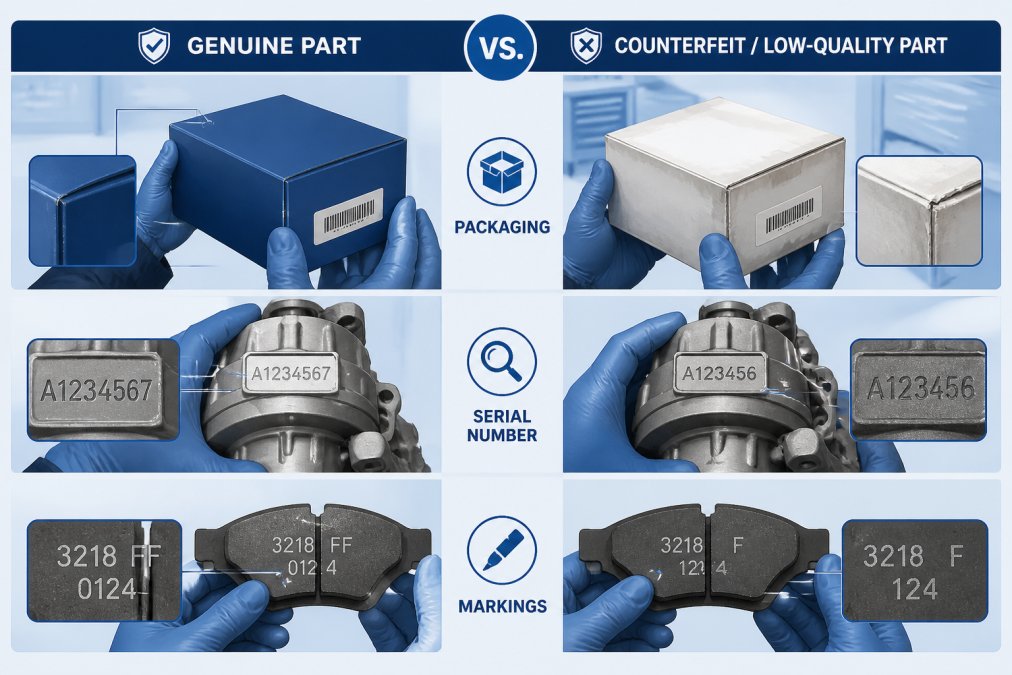
Check Packaging and Branding. Genuine OEM parts come in manufacturer-specific packaging with consistent branding and clear part numbers. Counterfeit packaging often has spelling errors, inconsistent logos, or poor print quality.
Verify Part Numbers. Every OEM part has a specific manufacturer part number. Cross-reference the part number against the manufacturer's official parts catalog. If the number doesn't match or doesn't exist, the part is suspect.
Inspect Physical Quality. Genuine parts have consistent manufacturing quality. Welds are clean, surfaces are finished properly, and components fit together precisely. Counterfeit parts often show poor welding, rough surfaces, or sloppy assembly.
Buy from Authorized Sources. Purchase OEM parts from authorized dealers or established aftermarket suppliers with verifiable track records. Avoid suspiciously cheap parts from unknown online sellers.
Request Documentation. Reputable suppliers provide documentation of authenticity and can trace parts back to manufacturers.
Watch for Red Flags. Counterfeit parts sometimes have inconsistent paint quality, incorrect fonts on labels, missing safety certifications, loose components, or packaging that doesn't match official standards.
:::warning Counterfeit parts can damage your vehicle. A fake sensor might trigger false warning lights. A counterfeit brake component could compromise safety. Always verify part authenticity before installation.
When deciding between OEM and aftermarket parts for your Japanese vehicle, consider your priorities: budget, warranty protection, reliability, and long-term cost of ownership. OEM parts preserve factory specifications and warranty coverage. Quality aftermarket parts offer cost savings with acceptable reliability. Budget aftermarket parts save money upfront but risk durability and performance.
At Speedy Roo Motorsports, we've been servicing Japanese vehicles since 2002. We help customers navigate this decision by explaining the specific implications for their vehicle, warranty, and driving needs. Whether you choose OEM or quality aftermarket components, we source verified parts and install them with the precision your vehicle deserves. Contact us for a consultation on the right parts strategy for your Subaru, Toyota, Honda, Lexus, or other Japanese vehicle, we're here to keep your car running reliably for years to come.
Frequently Asked Questions
Do aftermarket parts void your vehicle warranty?
Not automatically. Under the Magnuson-Moss Warranty Act, manufacturers cannot void your entire warranty simply because you used an aftermarket part. However, they can refuse to cover repairs if the aftermarket part directly caused the failure. Using OEM parts for critical systems maintains full warranty coverage without question. For cosmetic or non-essential components, aftermarket parts typically have no warranty impact. Always check your vehicle's warranty documentation or contact your dealer if unsure about specific parts.
What is the main difference between OEM and aftermarket parts?
OEM parts are manufactured by the original equipment manufacturer or their approved suppliers to exact factory specifications. Aftermarket parts are made by third-party companies and may vary in quality, fitment, and performance standards. OEM parts guarantee exact fit and factory performance, while aftermarket options range from budget-friendly to premium quality. The choice depends on your priorities: warranty protection and guaranteed compatibility favor OEM, while cost-effectiveness and variety favor quality aftermarket brands.
Are aftermarket parts as reliable as OEM parts?
Quality varies significantly among aftermarket brands. Premium aftermarket manufacturers like DENSO build parts to or above OE specifications and offer strong reliability. Budget aftermarket options may sacrifice durability for lower cost. For Japanese vehicles, established aftermarket brands designed specifically for your make and model typically deliver solid performance. Speedy Roo Motorsports can recommend quality aftermarket parts that meet your vehicle's needs without compromising reliability.
Why do insurance companies sometimes require OEM parts for repairs?
Insurance companies may prefer OEM parts to ensure consistent repair quality and reduce liability. Some policies specify OEM for major structural or safety-critical components. However, many insurers accept quality aftermarket parts for non-structural repairs. Review your policy details or contact your insurance provider to understand their specific requirements for your vehicle's repair coverage.