 ultimate-guide
What's Included in a Major Car Service
Table of Contents
- What Is a Major Car Service?
- Major Service vs. Minor Service: Key Differences
- Complete Major Car Service Checklist
- How Often to Get a Major Car Service
- Cost of Major Car Service: What to Expect
- Why Regular Major Services Protect Your Investment
- Frequently Asked Questions
Last Updated: August 19, 2026
What Is a Major Car Service?
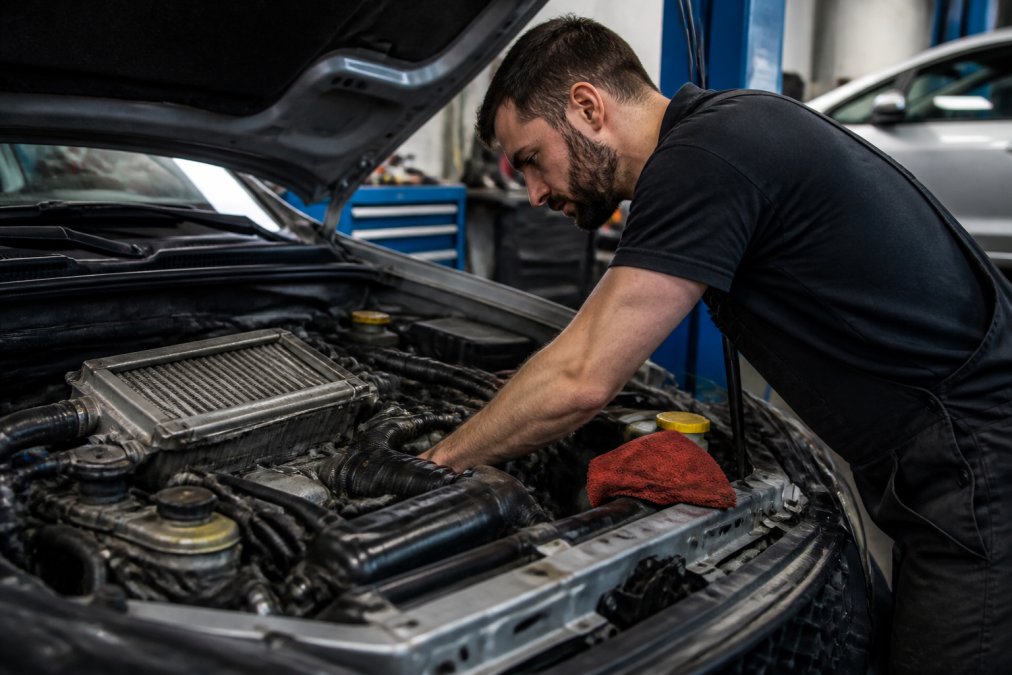
A major car service is a comprehensive maintenance procedure that inspects, services, and replaces multiple components to keep your vehicle running safely and efficiently. Technicians examine everything from engine oil and filters to brake systems and suspension components.
Major services typically occur every 20,000 to 40,000 miles depending on your vehicle's manufacturer schedule. During this service, technicians replace multiple fluids, swap out worn filters, inspect critical safety systems, and address accumulated mechanical wear.
At Speedy Roo Motorsports, we've been performing comprehensive major services on Japanese vehicles since 2002. We understand that a major car service prevents expensive repairs down the road and keeps your vehicle reliable for years to come.
Major Service vs. Minor Service: Key Differences
A minor service typically includes an oil change, oil filter replacement, and basic visual inspection. It usually takes 30 to 60 minutes and occurs every 6 to 12 months or 5,000 to 10,000 miles.
A major service is significantly more comprehensive. It includes everything in a minor service plus additional fluid replacements, filter changes, and detailed inspections of multiple vehicle systems. A major car service typically requires 2 to 4 hours because technicians examine far more components.
| Service Type | Interval | Duration | Key Components |
|---|---|---|---|
| Minor Service | Every 6-12 months or 5K-10K miles | 30-60 minutes | Oil, oil filter, visual inspection |
| Major Service | Every 20K-40K miles or 12-24 months | 2-4 hours | All minor items plus fluids, filters, inspections |
The major car service addresses wear items before they become problems. Your technician checks transmission fluid, coolant condition, brake fluid, and suspension components, systems not examined during minor services. This proactive approach catches issues early and prevents costly emergency repairs.
Complete Major Car Service Checklist
What's actually included in a major car service? Here's the detailed breakdown that most vehicle owners should expect.
Fluid Replacements and Checks
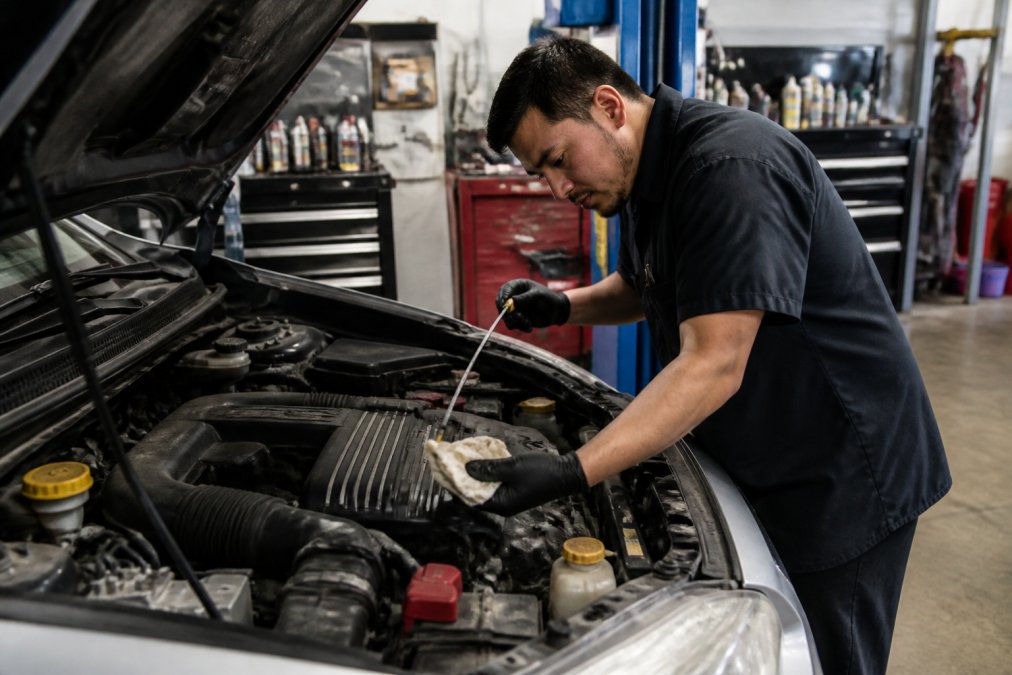
Your vehicle relies on multiple fluids to function properly. During a major car service, technicians inspect and often replace several critical liquids.
Engine oil and the oil filter are always replaced. Fresh oil keeps your engine lubricated and removes contaminants. Your technician will drain the old oil, replace the sump plug if necessary, install a new oil filter, and refill with the correct grade specified in your owner's manual.
Coolant prevents engine overheating and protects against corrosion. If your coolant appears contaminated or is approaching its service interval, your technician will flush the system and refill it with fresh coolant.
Brake fluid is critical for safety. Technicians check the fluid level and condition. If the fluid appears dark or contaminated, they'll perform a brake fluid flush to remove moisture and debris that compromise braking performance.
Transmission oil keeps your transmission running smoothly and may be checked, topped up, or replaced depending on your vehicle type. Differential oil, power steering fluid, and windshield washer fluid are also inspected and topped up as needed.
Filter Replacements
Filters protect your engine and cabin from contaminants. A major car service includes replacing several filters that accumulate debris over time.
The air filter prevents dirt and particles from entering your engine. A clogged air filter reduces engine performance and fuel efficiency. The cabin air filter removes dust, pollen, and other particles from the air entering your vehicle's interior. The fuel filter removes contaminants from gasoline before it reaches your engine.
Diesel vehicles have additional filtration needs. A diesel particulate filter (DPF) captures soot and particulates from the exhaust. Technicians check the DPF for clogging and may perform regeneration or cleaning if necessary.
Mechanical and Safety Inspections
Technicians conduct thorough inspections of systems not addressed during minor services.
Your brake system receives detailed attention. Brake pads are measured for remaining thickness, disc rotors are inspected for scoring or warping, brake hoses are checked for cracks or leaks, and the entire braking system is tested for proper function.
The suspension system is examined for wear. Technicians inspect shock absorbers, struts, springs, and suspension bushings for leaks and signs of wear.
Steering components are inspected, including the steering rack, tie rods, and ball joints. Belts and hoses are examined for cracks or deterioration. The timing belt, which synchronizes engine operation, may be inspected or replaced depending on mileage and manufacturer recommendations.
Driveshaft and axle components are inspected for damage or wear. A comprehensive vehicle inspection includes checking lights, wipers, battery condition, and tire condition.
How Often to Get a Major Car Service
Most vehicle manufacturers recommend a major car service every 20,000 to 40,000 miles or every 12 to 24 months, whichever comes first. However, the interval varies by make, model, and model year, so consult your owner's manual for your specific vehicle's schedule.
Service Intervals and Manufacturer Recommendations
Newer vehicles often have longer intervals between major services thanks to improved engine technology and synthetic oils. Many modern vehicles operate on extended service intervals of 30,000 to 40,000 miles, whereas older vehicles may require servicing at 15,000 to 20,000 mile intervals. High-mileage vehicles or those subject to severe driving conditions, frequent towing, dusty environments, extensive idling, or repeated short trips, may benefit from more frequent major services. Your owner's manual typically includes a "severe driving" schedule that recommends shorter intervals under these conditions.
The Critical Role of Service Logbooks and Warranty Coverage
Your vehicle's service logbook is a legal document that directly impacts your manufacturer's warranty coverage. Most vehicle manufacturers require proof of regular maintenance performed at manufacturer-recommended intervals to honor warranty claims. If you skip a major service or delay maintenance beyond the recommended interval, the manufacturer may deny warranty coverage for related failures.
If you purchase a used vehicle, request the complete service history from the previous owner. A vehicle with documented major services at every recommended interval commands higher resale value and provides peace of mind that critical systems have been properly maintained. Gaps in the service history are red flags that suggest neglect. engine maintenance steps.
Consistency Over Perfection
The key to maximizing your vehicle's lifespan and maintaining warranty coverage is consistency. A vehicle that receives major services on schedule will typically cost significantly less to maintain over its lifetime than one that's neglected. Regular major services prevent the accumulation of wear that leads to expensive repairs and potential warranty denials.
Cost of Major Car Service: What to Expect
The cost of a major car service varies based on several factors, but understanding what drives pricing helps you budget effectively and recognize the long-term value of preventative maintenance.
Factors That Influence Major Service Costs
Your vehicle's make and model is the primary cost driver. Luxury brands, performance vehicles, and models with complex engine designs typically cost more to service than economy vehicles. Labor rates also vary by region and shop type.
Vehicle age and mileage affect parts availability and complexity. Current vehicle condition matters significantly; if your technician discovers worn components during inspection, these repairs will be added to the base major service cost.
The type of fluids and parts used also influences pricing. Synthetic oils cost more than conventional oils but last longer and provide better engine protection. OEM (original equipment manufacturer) parts typically cost more than aftermarket alternatives.
Cost-Benefit Analysis: Major Service vs. Deferred Maintenance
While a major service represents an upfront investment, the long-term financial benefit is substantial. A vehicle receiving major services every 20,000 to 40,000 miles as recommended typically experiences fewer unexpected failures. Fresh fluids and replaced filters keep systems running efficiently. Early detection of wear items allows for planned replacement rather than emergency repair.
A timing belt failure, a component often inspected during major services, can cause catastrophic engine damage costing $2,000 to $5,000 or more to repair. Transmission fluid degradation can lead to transmission failure, costing $3,000 to $8,000 for replacement. A single major failure often costs more than five years of regular major services combined.
Additionally, vehicles with complete service histories command 10-15% higher resale value than those with spotty maintenance records.
Independent Shops vs. Dealerships
Independent shops often offer competitive pricing on major services while maintaining the same quality standards as dealerships. The key difference is that independent shops typically have lower overhead costs and can pass those savings to customers.
When comparing quotes, ensure both shops are including the same components. Ask for an itemized breakdown of what's included in the major service and verify it matches your vehicle's manufacturer schedule.
Getting an Accurate Quote
Contact a qualified repair shop and request a detailed estimate. Provide your vehicle's year, make, model, and current mileage. A reputable shop will explain what's included in their major service package and provide a transparent, itemized quote before beginning work.
Investing in regular major services is far more economical than facing emergency repairs from neglected maintenance. The relatively modest cost of preventative maintenance protects your vehicle's reliability, maintains warranty coverage, preserves resale value, and ultimately saves thousands in avoided emergency repairs over your vehicle's lifetime.
Why Regular Major Services Protect Your Investment
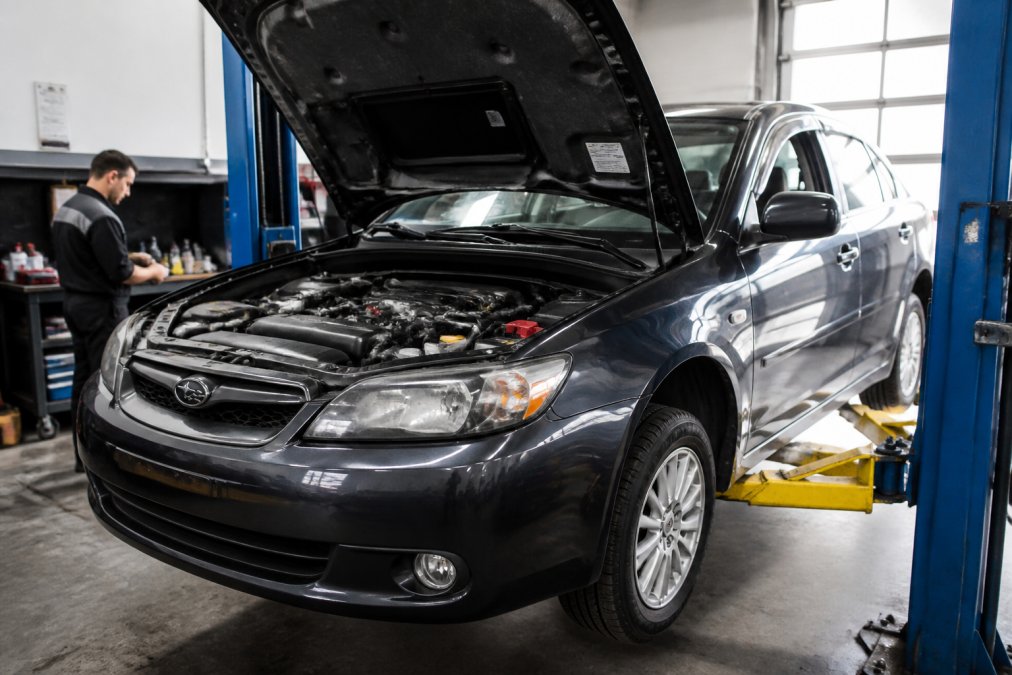
Your vehicle is a significant investment. A major car service is preventative maintenance that protects that investment by catching problems early and preventing expensive repairs.
Regular servicing maintains your vehicle's reliability. When all systems are properly maintained, fluids are fresh, filters are clean, and components are inspected regularly, your car is far less likely to break down unexpectedly.
Major services preserve your vehicle's resale value. Potential buyers want to see a complete service history showing that the vehicle has been properly maintained. A vehicle with documented major services commands a higher resale price than one with spotty maintenance records.
Safety is perhaps the most important benefit. Regular inspection of brakes, suspension, steering, and other safety-critical systems ensures your vehicle operates safely. Worn brake pads, failing suspension components, or damaged steering linkage create serious safety risks.
Performance and efficiency improve with regular maintenance. Fresh fluids and clean filters allow your engine to operate at peak efficiency. You'll notice better fuel economy, smoother acceleration, and more responsive handling.
Protecting your Japanese vehicle requires more than occasional attention. Regular major services keep your car running safely and reliably while preserving its value. At Speedy Roo Motorsports, our experienced technicians have been providing comprehensive major car services to Japanese automobile owners since 2002. We understand your vehicle's specific needs and deliver transparent, quality service you can trust. Schedule your major service today and experience why thousands of customers in the Denver Metro area rely on us for their automotive care.
Frequently Asked Questions
What does a major car service actually include?
A major car service includes replacing engine oil and oil filter, air filter, cabin filter, and spark plugs. It also covers checking and topping up fluid levels such as coolant, brake fluid, transmission oil, and differential oil. The technician performs a thorough vehicle inspection covering brake pads, disc rotors, belts, hoses, and suspension components. Depending on your vehicle's mileage and manufacturer schedule, additional items like timing belt inspection or replacement may be included.
How often should I get a major car service?
Most manufacturers recommend a major car service every 40,000 to 80,000 miles or annually, whichever comes first. The exact interval depends on your vehicle's age, make, model, and driving conditions. Check your service logbook or owner's manual for your specific manufacturer schedule. Japanese vehicles often follow stricter maintenance intervals than some other brands, so following the recommended schedule helps maintain warranty coverage and engine performance.
Is there a difference between a major service and a full service?
A major service is more comprehensive than a minor or interim service. While a minor service typically covers an oil change, oil filter replacement, and basic checks, a major service includes all minor service items plus additional replacements like air filters, cabin filters, spark plugs, and more extensive fluid checks. Some shops use the terms 'full service' and 'major service' interchangeably, but always confirm what's included with your technician to avoid surprises.
What happens if I skip a major car service?
Skipping major car services can lead to accelerated mechanical wear, reduced engine performance, and higher repair costs down the road. Neglected fluid levels cause damage to the engine, transmission, and brake systems. Worn spark plugs and filters reduce fuel efficiency and engine power. Missing scheduled maintenance also voids manufacturer warranties and creates service history gaps that affect resale value. Regular major services catch small problems before they become expensive repairs.