 blog
blog
7 Signs of Subaru Head Gasket Failure
Table of Contents
- What Is a Head Gasket and Why It Matters in Your Subaru
- Sign 1: White Smoke From the Exhaust Tailpipe
- Sign 2: Unexplained Coolant Loss Without Visible Leaks
- Sign 3: Engine Overheating and Temperature Fluctuations
- Sign 4: Milky or Foamy Oil (Coolant Contamination)
- Sign 5: Bubbles in the Radiator and Cooling System
- Sign 6: Sweet Smell of Coolant in the Engine Bay
- Sign 7: Engine Misfires and Sluggish Performance
- Diagnostic Steps You Can Take Now
- Frequently Asked Questions
Last Updated: September 3, 2026
What Is a Head Gasket and Why It Matters in Your Subaru
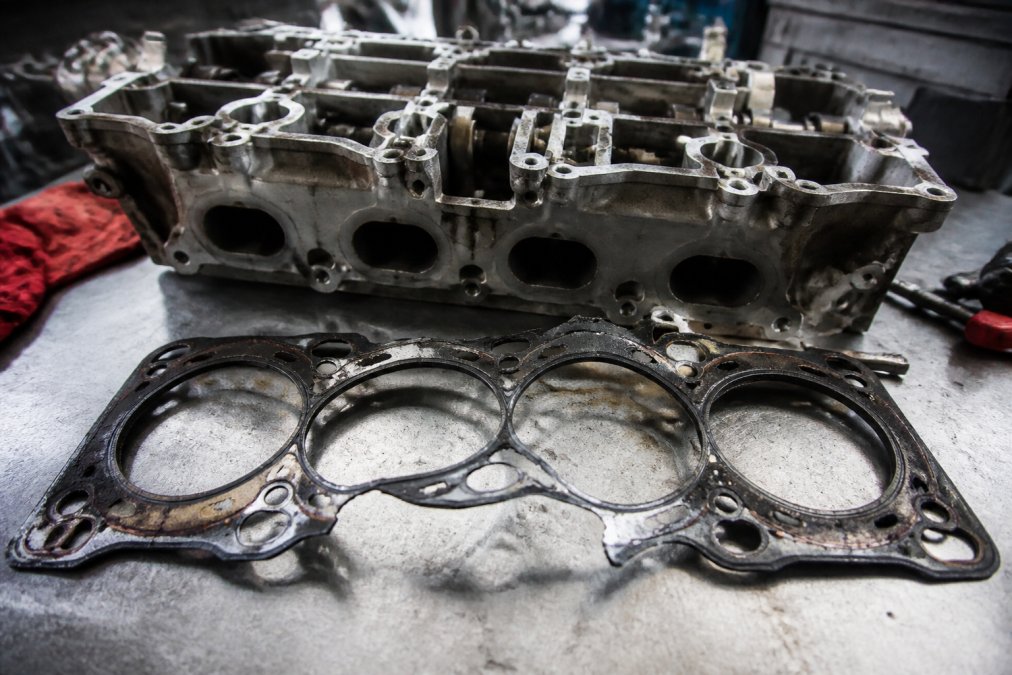
A head gasket is a critical seal between your engine's cylinder head and engine block that prevents combustion gases and coolant from mixing while maintaining proper compression. When it fails, coolant enters the oil, combustion gases escape into the cooling system, and engine performance deteriorates. Head gasket failure is one of the most expensive repairs a Subaru owner can face, but early detection significantly reduces costs and prevents engine damage.
Subaru vehicles, particularly models from the 1990s through early 2010s, developed a reputation for head gasket issues due to flat-four engine design and specific manufacturing tolerances. At Speedy Roo Motorsports, we've diagnosed and repaired countless Subaru head gaskets over two decades specializing in Japanese automobiles. Most drivers miss early warning signs because they don't know what to look for. This guide walks you through the seven most common indicators that your Subaru's head gasket is failing, what each symptom means, and when to seek professional diagnosis.
Sign 1: White Smoke From the Exhaust Tailpipe
White smoke pouring from your tailpipe is one of the most visible signs of a failing head gasket. This smoke is coolant vaporizing as it enters the combustion chamber, then exiting through the exhaust. The smoke typically has a sweet smell and appears especially thick during cold starts or when the engine reaches operating temperature.
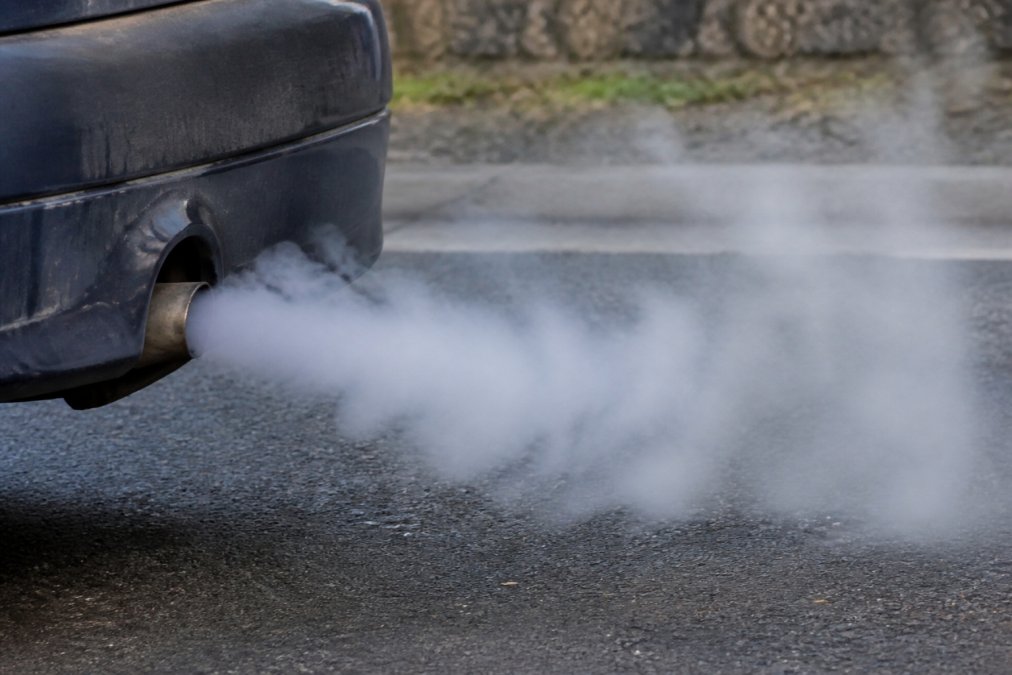
When the head gasket seal fails, coolant leaks into the cylinder, mixes with fuel and air, burns, and exits as steam or white vapor. Unlike blue smoke (burning oil) or black smoke (rich fuel mixture), white smoke is almost always coolant-related. The presence of coolant in the combustion chamber also affects engine compression, causing rough idling or hesitation during acceleration.
White smoke appearing only during cold starts is less urgent than smoke that persists throughout driving. A small coolant leak during cold engine operation might represent early gasket failure, whereas continuous white smoke suggests a substantial leak. Either way, this symptom warrants professional diagnosis. A qualified technician can perform a block test using a chemical analyzer to detect exhaust gases in the coolant and confirm whether the head gasket is responsible.
Sign 2: Unexplained Coolant Loss Without Visible Leaks
Your coolant level drops, but you see no puddles under the car, no wet spots on the engine, and no obvious leaks. This hallmark sign of internal coolant leak points to the head gasket as the most common culprit. External leaks show themselves through pooling fluid or dripping from radiator hose connections. Internal leaks are silent and invisible until they cause secondary damage.
When the head gasket fails, coolant seeps into the cylinder where it either burns off as white smoke or gets absorbed into the engine oil. The coolant disappears from the cooling system without leaving the engine bay. You'll need to top off the coolant reservoir repeatedly, sometimes every few weeks or days if the leak is severe. The radiator cap, water pump, and heater hose connections are more common sources of external coolant loss, so rule those out first.
Mark your coolant level with tape on the reservoir and check it daily for a week. If it drops consistently without visible leaks, and especially if you notice white smoke or milky oil, the head gasket is highly suspect. Stop-leak products rarely work on head gasket failures because the leak is structural, the gasket has physically separated or cracked. These additives are designed for small pinhole leaks in radiators or hose connections, not failed gasket seals.
Sign 3: Engine Overheating and Temperature Fluctuations
Your temperature gauge climbs higher than normal, or it fluctuates wildly, jumping from normal to hot and back again. This instability occurs because head gasket failure disrupts the cooling system's ability to circulate coolant properly. When coolant leaks into the combustion chamber, the system loses coolant volume and cooling capacity. Simultaneously, combustion gases escaping into the cooling system create air pockets that prevent proper coolant circulation through the radiator.
The temperature gauge becomes erratic because the coolant temperature sensor reads an unstable environment. Coolant might boil in some areas while other engine parts remain cooler, causing the gauge to jump around rather than holding steady at the normal 190-210°F range.
Engine overheating accelerates damage to other components. The cylinder head and engine block expand under heat, further warping the head gasket and creating additional leak paths. Continued overheating can damage the water pump, crack the radiator, and stress the transmission. If you notice overheating, stop driving and let the engine cool, then have the system inspected.
Sign 4: Milky or Foamy Oil (Coolant Contamination)
Pop your oil dipstick and examine the oil. If it appears milky, frothy, or has a tan or beige color instead of normal amber or dark brown, coolant has contaminated your oil. This is one of the most definitive signs of head gasket failure because coolant cannot enter the oil through any other route. Coolant leaks past the head gasket into the combustion chamber, mixes with unburned fuel, and drips into the oil pan through the piston rings.
Coolant in the oil is catastrophic for engine longevity. Oil lubricates moving parts; coolant is mostly water with virtually no lubricating properties (peer-reviewed research). As oil becomes contaminated, its viscosity changes, its ability to protect bearings diminishes, and internal corrosion accelerates. You might notice the oil level rising or white crusty deposits around the oil cap or dipstick.
Driving on contaminated oil damages the crankshaft bearings, piston rings, and valve train. If you discover milky oil, stop driving and schedule professional diagnosis immediately. Don't attempt to "just change the oil and keep driving." The head gasket must be repaired before the engine can be safely operated.
Sign 5: Bubbles in the Radiator and Cooling System
Open your radiator (when the engine is completely cold, never when hot) and look inside. If you see bubbles rising through the coolant, or if the coolant appears to be boiling at normal engine temperature, combustion gases are entering the cooling system. This happens when head gasket failure is severe enough that exhaust gases escape into the water jacket, the passages surrounding the cylinders that carry coolant.
Combustion gases bubbling into the coolant create air pockets that prevent proper circulation. Coolant can't flow smoothly through the radiator, so heat dissipation becomes inefficient. You'll often see this symptom alongside overheating and white smoke.
A block test kit, available at most auto parts stores, can confirm whether those bubbles are combustion gases. The kit uses a chemical indicator that changes color when exposed to exhaust gases. This test is far more reliable than visual inspection alone.
Sign 6: Sweet Smell of Coolant in the Engine Bay
Coolant has a distinctive sweet smell. If you detect it around the engine while driving or after parking, there's a leak in the cooling system. When the head gasket fails, you might smell coolant burning in the combustion chamber or escaping through the exhaust. The smell is often strongest when the engine is warm and the vehicle is parked in an enclosed space.
The sweet smell combined with any other symptoms on this list strongly suggests head gasket failure rather than a simple hose leak or radiator crack. External leaks usually create visible puddles and smell less intense because the coolant isn't being burned.
If you're unsure whether you're smelling coolant, check your coolant reservoir for low levels. A low level combined with a sweet smell is a strong indicator of internal leak.
Sign 7: Engine Misfires and Sluggish Performance
Your engine hesitates during acceleration, idles roughly, or misfires under load. The check engine light may illuminate with a misfire code. These symptoms occur because head gasket failure affects engine compression and combustion. When coolant leaks into a cylinder, it reduces the cylinder's ability to compress the air-fuel mixture properly, causing inconsistent combustion.
A misfire indicates that one or more cylinders aren't firing correctly. The onboard diagnostic system detects the misfire and triggers a code. Common misfire codes include P0300 (random misfire) or P0301-P0304 (specific cylinder misfires).
Engine sluggishness happens because you're running on fewer cylinders at full power. A four-cylinder engine with one misfiring cylinder essentially operates as a three-cylinder engine. Acceleration feels weak, fuel economy drops noticeably, and the engine might struggle to maintain steady idle.
The misfire also accelerates damage to the catalytic converter. Unburned fuel from the misfiring cylinder flows into the exhaust and ignites in the converter, damaging its internal structure. Addressing the head gasket failure early prevents this secondary damage.
Diagnostic Steps You Can Take Now
Before scheduling an expensive repair, perform several diagnostic checks yourself. Check your oil dipstick for milky discoloration, look at your coolant for bubbles or cloudiness, and inspect the engine bay for visible coolant seepage around the gasket area. Note whether you see white smoke during cold starts and whether the temperature gauge behaves erratically.
Keep a log of your coolant level over one week by marking the reservoir with tape and checking it daily without adding coolant. If the level drops more than a quarter inch per day, you likely have a significant leak. Document when white smoke appears and note any changes in engine performance or unusual smells.
A block test kit is inexpensive and gives definitive evidence. If combustion gases are present in the coolant, the kit's indicator will change color, confirming that gases are escaping from the combustion chamber.
Avoid stop-leak additives. These products are designed for small pinhole leaks in radiators or hose connections, not structural gasket failures. They won't restore the seal between the cylinder head and engine block.
If you're noticing any combination of these seven signs, your Subaru's head gasket needs professional evaluation. The symptoms rarely appear in isolation, and the longer you delay, the more secondary damage accumulates. At Speedy Roo Motorsports, we've diagnosed and repaired head gasket failures across every Subaru model year. Our technicians use block test kits, compression testing, and visual inspection to confirm the diagnosis, then provide transparent repair options and timelines. If you're in the Denver Metro area and your Subaru is showing these warning signs, contact Speedy Roo Motorsports for a professional diagnostic evaluation, we'll give you honest answers about what's happening under the hood and what it will take to fix it.
Frequently Asked Questions
Q: How do I tell if my Subaru has a bad head gasket?
A: Look for white smoke from the exhaust, unexplained coolant loss, engine overheating, milky oil, and a sweet coolant smell. A blown head gasket often shows multiple symptoms at once. If you notice any combination of these signs, have a professional inspect your engine compression and coolant system pressure. Early detection prevents catastrophic engine damage.
Q: What are the early warning signs of a failing head gasket?
A: Early symptoms of head gasket failure include small amounts of coolant loss, slight white smoke on cold starts, temperature gauge fluctuations, and minor engine misfires. These warning signs appear before a complete failure. Address them promptly, waiting allows combustion gases to enter the cooling system, which causes rapid deterioration and expensive internal engine damage.
Q: Can I drive my Subaru with a blown head gasket?
A: Driving with a blown head gasket risks severe engine damage. Combustion gases escaping into the cooling system create pressure that can crack the engine block or cylinder head. Coolant contamination destroys engine oil's protective properties, causing bearing failure. If you suspect head gasket failure, avoid driving and arrange professional inspection immediately to prevent a repair that costs significantly more.
Q: Why do Subaru head gaskets fail so often?
A: Subaru's flat-engine design creates unique thermal expansion patterns that stress head gaskets more than traditional engines. Certain model years and engine generations are particularly prone to failure due to design or manufacturing factors. Regular coolant flushes, proper maintenance intervals, and quality coolant help extend gasket life, but some Subaru models have higher failure rates than others.