 blog
Common Car Repairs Caused by Neglected Maintenance
Table of Contents
- Why Routine Maintenance Matters: The Real Cost of Skipping Service
- Engine Damage from Skipped Oil Changes and Low Oil Levels
- Brake Failure and Rotor Damage from Ignored Warning Lights
- Cooling System Neglect and Head Gasket Failure
- Tire Wear, Pressure Problems, and Suspension Damage
- Most Commonly Neglected Car Maintenance Tasks and Their Consequences
- Cost of Neglecting Car Maintenance: What You'll Really Pay
- Signs Your Car Needs Maintenance Before Problems Escalate
- Frequently Asked Questions
Last Updated: October 15, 2026
Why Routine Maintenance Matters: The Real Cost of Skipping Service
Common car repairs caused by neglected maintenance are among the most expensive repairs vehicle owners face. Skipping oil changes, ignoring warning lights, or putting off fluid checks turns small problems catastrophic, the difference between a $200 repair and a $3,000 one is often catching the issue early.
At Speedy Roo Motorsports, we've seen this for over two decades: owners who follow their manufacturer's maintenance schedule rarely face major breakdowns, while those who skip routine service end up facing repairs that could have been prevented entirely.
Your engine, brakes, cooling system, and other components are designed to work together. When one part isn't maintained, it stresses everything connected to it, and that stress compounds into damage cascading through multiple systems within months.
The math is simple: an oil change costs far less than engine damage, a brake pad replacement less than rotor damage, a coolant flush less than head gasket failure. Yet many drivers treat maintenance as optional, something to do "eventually" rather than on schedule.
Common car repairs caused by neglected maintenance follow a predictable pattern: the owner ignores warning signs, the problem worsens, the repair bill grows, and damage spreads to components that were working fine.
Engine Damage from Skipped Oil Changes and Low Oil Levels
Your engine oil lubricates moving parts, cools the engine, and removes contaminants. When levels drop or the oil gets dirty, none of these jobs happen properly.
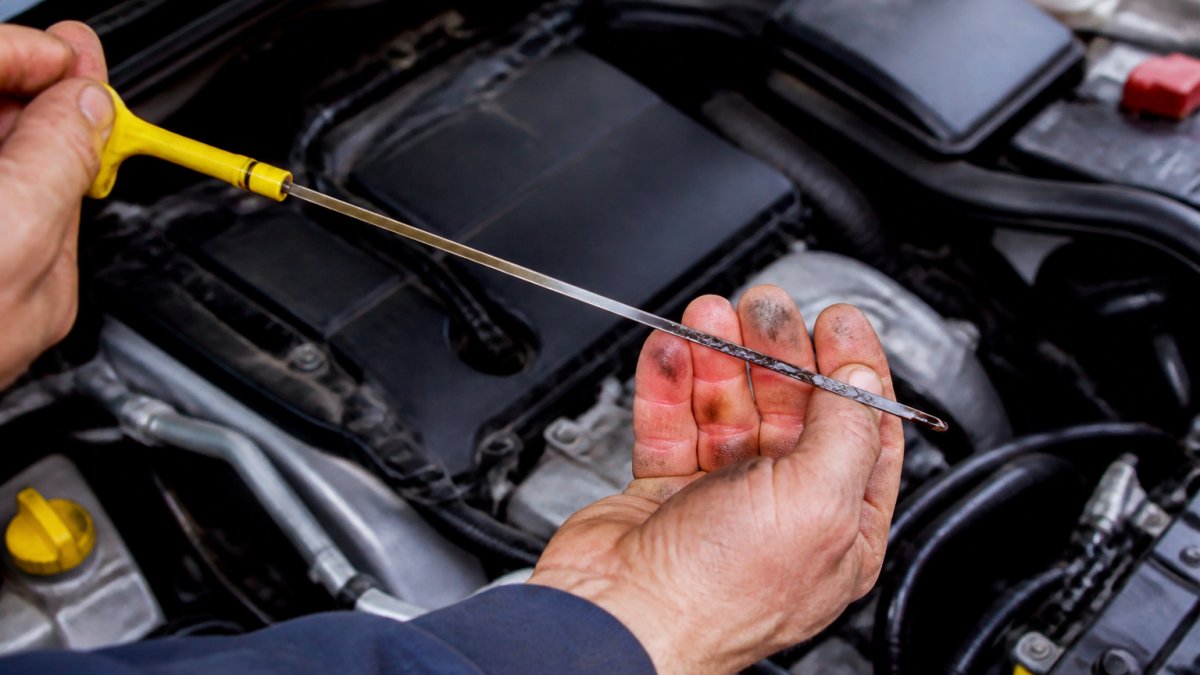
Low oil creates metal-to-metal contact: pistons, bearings, and valve components grind without lubrication, generating heat and wear that becomes irreversible over time.
The warning signs appear early:
- Dashboard oil pressure light comes on
- Engine knocking or ticking sounds
- Burning oil smell from the engine
- Visible oil leaks under the car
- Rough idle or loss of power
Most owners see these signs and do nothing, assuming the light is a sensor malfunction or the noise is normal. By the time they act, the damage is done.
Engine wear from low oil creates a chain reaction: damaged bearings leak more oil, lower oil pressure causes more wear, and the engine overheats because oil isn't cooling it. Eventually it seizes or needs complete replacement.
The cost escalation is brutal: catching low oil early costs an oil top-up and change, ignoring it costs thousands in engine repairs, and waiting too long costs an entire engine replacement.
Your owner's manual specifies exactly when to change your oil. Following that schedule prevents engine damage; skipping oil changes guarantees it.
Brake Failure and Rotor Damage from Ignored Warning Lights
Your brake system has multiple warning mechanisms: pad wear sensors trigger a dashboard light, fluid levels drop as pads wear, and brake performance changes when something's wrong. All signal the need for immediate service.
Many drivers ignore brake warning lights because the car still stops, assuming there's time. There isn't.
Brake pads are designed to wear down, but when they wear completely, metal backing plates contact the rotor directly, and metal-on-metal friction creates extreme heat and fast-spreading damage.
Replacing worn pads costs a few hundred dollars; adding damaged rotors costs significantly more; adding heat-damaged calipers costs even more.
The warning signs are unmistakable:
- Grinding or squealing sounds when braking
- Brake pedal feels soft or goes to the floor
- Brake warning light on the dashboard
- Vibration or pulsing when you brake
- Longer stopping distances
Brake failure isn't just expensive, it's dangerous. Worn brakes fail when you need them most, and a highway-speed failure can cause accidents that injure or kill.
The timeline is tight: once you hear grinding, rotors are already damaged; once the warning light comes on, pads are critically low. Waiting weeks turns a pad replacement into rotor replacement; waiting months turns it into a full brake system overhaul.
Cooling System Neglect and Head Gasket Failure
Your cooling system keeps your engine at the right temperature: coolant absorbs heat and releases it through the radiator. When levels drop or coolant gets old, the system can't do its job.
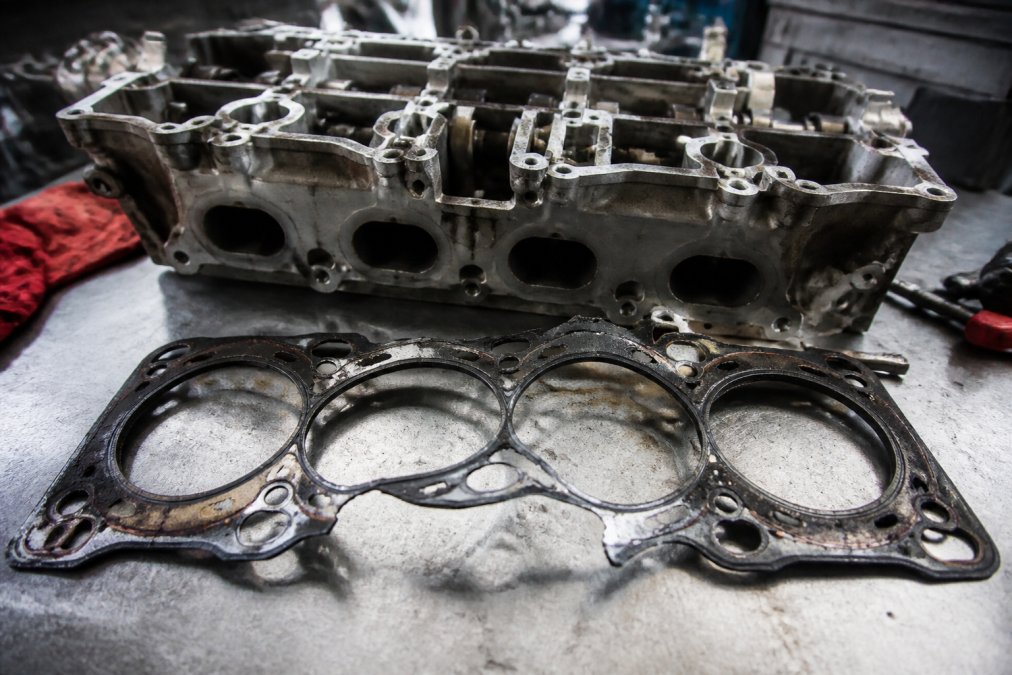
Overheating happens fast: once engine temperature rises above safe limits, metal expands and seals and gaskets fail. The head gasket, the seal between engine block and cylinder head, is especially vulnerable.
A head gasket failure is catastrophic: coolant leaks into the combustion chamber, oil mixes with coolant, compression drops, and performance falls dramatically. The repair requires removing the cylinder head, replacing the gasket, and reassembling the engine.
Warning signs appear before head gasket failure:
- Coolant leaks under the car
- Overheating indicator light comes on
- White smoke from the exhaust
- Milky, foamy appearance to engine oil
- Loss of coolant with no visible leaks
- Rough idle or misfiring
Your owner's manual specifies coolant flush intervals, typically every 30,000 to 60,000 miles. Skipping this allows rust and scale to build up, restricting flow, reducing cooling efficiency, and causing overheating.
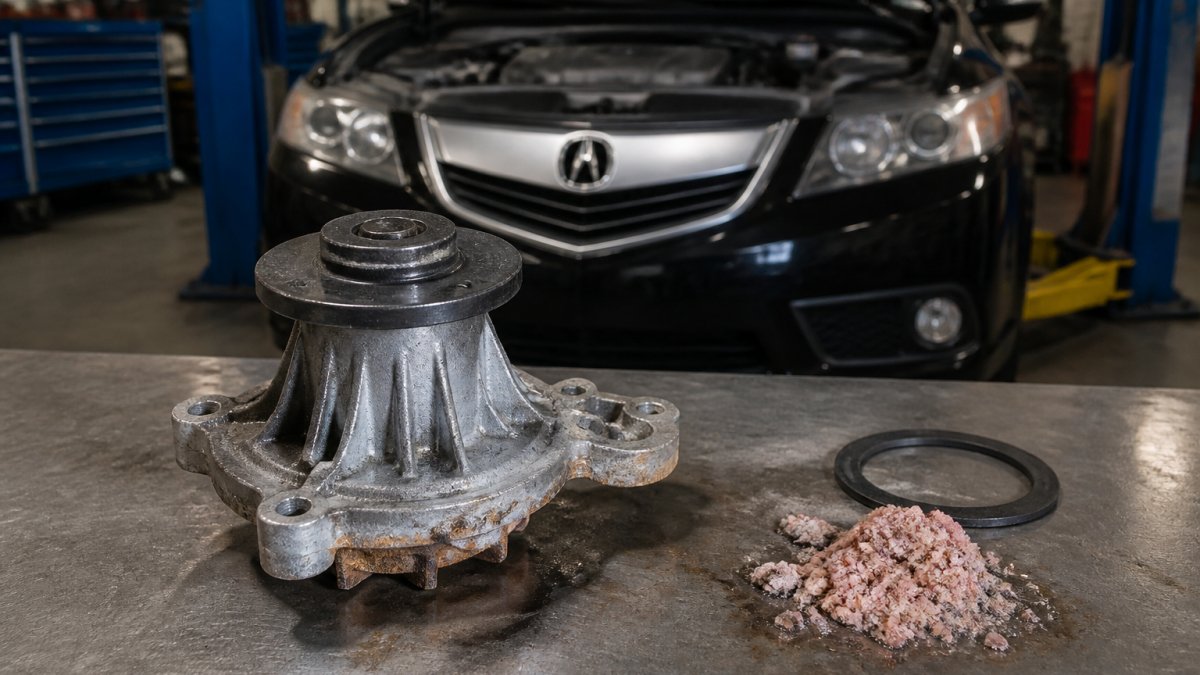
Overheating also damages other components: transmission fluid breaks down, hoses become brittle and crack, and water pumps fail. A single overheating event can trigger a cascade of failures.
Prevention is simple: maintain coolant level, flush on schedule, and address overheating immediately. Neglect costs a head gasket replacement.
Tire Wear, Pressure Problems, and Suspension Damage
Tire maintenance means pressure, rotation, and wear inspection. Neglecting any of these creates problems that spread to your suspension and steering.
Low tire pressure increases rolling resistance, so your engine works harder and fuel economy drops. The tire heats up, degrading rubber and causing premature failure, and wears unevenly, outer edges faster than the center.
Overinflated tires wear the center faster than the edges, reduce traction, and feel harsh on bumps. Both conditions mean tire pressure isn't being monitored.
Rotation prevents uneven wear: front tires wear differently because they handle steering and braking. Rotating every 5,000 to 7,000 miles distributes wear evenly and extends tire life.
Worn tires fail suddenly: bald tires lose traction in rain, thin sidewalls blow out, and highway-speed failure causes loss of control and accidents.
Neglected tire maintenance also damages your suspension: uneven wear creates vibration that stresses struts, shocks, control arms, and bushings, causing premature failure and reduced handling and safety.
Warning signs of tire problems:
- Uneven wear patterns on the tire surface
- Bulges or cracks in the sidewall
- Tread depth below 4/32 of an inch
- Vibration while driving
- Pulling to one side
- Noise from the wheels
Tire maintenance is cheap: checking pressure takes five minutes, and a full set of replacement tires runs more than rotation. Suspension repairs from neglect cost more.
Most Commonly Neglected Car Maintenance Tasks and Their Consequences
Some maintenance tasks are neglected more often than others. Knowing which are most critical helps you prioritize.
Oil and filter changes are the most neglected. Many owners stretch intervals beyond what the manufacturer recommends or skip changes entirely.
Brake inspections are frequently ignored. Owners wait for warning lights instead of having brakes inspected proactively. Consequence: rotor damage, brake failure, and safety risk.
Coolant flushes often get skipped because the system "seems fine." Consequence: rust buildup, overheating, and head gasket failure.
Tire rotations are easy to postpone. Many owners only replace tires when they're completely worn. Consequence: uneven wear, suspension damage, and tire failure.
Air filter replacement is overlooked because it's not visible during normal driving. A clogged air filter reduces engine performance and fuel economy. Consequence: reduced efficiency and harder engine operation.
Transmission fluid service is often neglected because transmission problems seem rare. Consequence: shifting problems, overheating, and eventual transmission failure.
Battery maintenance gets ignored until the battery dies. Consequence: sudden starting failure and potential damage to electrical components.
Spark plug replacement is delayed beyond recommended intervals. Consequence: misfiring, poor fuel economy, and hard starting.
Here's what each neglected task costs when it fails:
| Maintenance Task | Neglect Cost Range | Repair Severity |
|---|---|---|
| Oil changes | $2,000-$8,000 (engine damage) | Critical |
| Brake service | $800-$2,500 (rotors + pads + calipers) | Critical |
| Coolant flush | $1,500-$3,000 (head gasket) | Critical |
| Tire rotation | $800-$2,500 (suspension damage) | High |
| Air filter | $200-$500 (engine stress) | Medium |
| Transmission fluid | $2,500-$5,000 (transmission failure) | Critical |
| Battery | $150-$400 (replacement) | Medium |
| Spark plugs | $300-$800 (ignition system) | Medium |
The pattern is clear: neglecting small maintenance tasks creates expensive repairs. Prevention costs far less than correction.
Cost of Neglecting Car Maintenance: What You'll Really Pay
The financial impact compounds quickly: a $100 problem ignored becomes a $500 problem, then $2,000, then $5,000+.
This escalation happens because damage spreads. A worn brake pad damages the rotor. Rotor damage damages the caliper. Caliper damage affects brake fluid pressure. Eventually, you're replacing multiple components instead of one.
The same pattern applies across all systems. Low oil damages bearings. Damaged bearings damage the crankshaft. Crankshaft damage requires engine replacement. What started as an oil change becomes a $6,000 engine replacement.
Owners often rationalize skipping maintenance to save money short term: skip an oil change and save money. But skip several, and your engine has many miles without proper lubrication, the damage is done, and replacement costs far more than routine maintenance.
The true cost of neglected maintenance includes:
- Repair costs that escalate dramatically
- Vehicle downtime while repairs happen
- Potential safety risks to you and others
- Reduced resale value
- Unreliability and unexpected breakdowns
A well-maintained vehicle costs less to operate, lasts longer, and holds value better; a neglected one becomes a financial drain.
A properly maintained vehicle stays reliable for many miles; a neglected one may fail catastrophically. The difference in total cost is staggering.
Signs Your Car Needs Maintenance Before Problems Escalate
Your car sends signals when maintenance is needed. Recognizing and acting on them prevents expensive repairs.
Sounds tell you a lot: grinding during braking means worn pads, knocking or ticking means lubrication problems, squealing means belt wear, and clunking means suspension wear. Unusual sounds always warrant inspection.
Smells indicate problems: burning oil means a leak onto hot engine parts, sweet means coolant leak, rotten egg means catalytic converter issues, and burning from brakes means excessive friction.
Fluid leaks under your car are warning signs: oil means failing seals or gaskets, coolant means cooling system problems, brake fluid means brake danger, and transmission fluid means transmission issues.
Vibration means something is out of balance or worn: steering wheel vibration means tire or suspension issues, brake pedal vibration means rotor problems, and engine vibration means ignition or fuel problems.
Acting quickly on these signs prevents escalation:
-
Dashboard lights - Pull over safely and check the specific system. For oil pressure or temperature lights, turn off the engine immediately and check levels.
-
Unusual sounds - Schedule an inspection within a few days. Don't ignore grinding, knocking, or squealing.
-
Smells - Identify the source and get service soon. Burning smells especially warrant quick attention.
-
Performance changes - Have the car diagnosed by a qualified technician. Performance problems usually indicate multiple system issues.
-
Fluid leaks - Check the fluid level immediately. Schedule service the same day if the leak is significant.
-
Vibration - Get an inspection within a week. Vibration often indicates safety issues.
The key is acting quickly: the sooner you address warning signs, the less damage occurs. A small problem caught early costs little; ignored, it costs thousands.
Neglected maintenance doesn't just cost money, it creates safety risks and unreliability when you need your car most. At Speedy Roo Motorsports, we specialize in keeping Japanese vehicles running reliably.
Frequently Asked Questions
What car problems are caused by lack of maintenance?
Neglected maintenance leads to engine wear and damage, brake failure, overheating and head gasket failure, tire problems, battery failure, and electrical issues. Each stems from skipped oil changes, ignored warning lights, fluid leaks, worn components, and missed inspections. Regular service catches these before they become safety risks or expensive repairs.
Can skipping oil changes damage an engine?
Yes. Engine oil lubricates moving parts and prevents wear. Without regular oil changes, dirt and sludge accumulate, reducing oil's effectiveness. This causes engine knocking, increased friction, and accelerated wear. Over time, you risk complete engine failure, which requires full replacement, a major breakdown that costs far more than routine oil changes ever would.
What happens if you ignore dashboard warning lights?
Dashboard lights signal problems early, check engine lights, low oil pressure, coolant temperature warnings, and brake alerts. Ignoring them allows small issues to become safety risks and expensive repairs. A check engine light ignored can lead to catalytic converter damage. Brake warning lights ignored can result in brake failure. Addressing warnings immediately prevents accidents and reduces repair costs significantly.
How can regular maintenance prevent expensive repairs?
Preventive maintenance catches worn components, fluid leaks, and deteriorating parts before they fail. Routine oil changes prevent engine damage. Tire rotation prevents uneven wear and suspension problems. Brake inspections catch pad wear before rotors are damaged. Coolant flushes prevent rust and scale buildup. Following your owner's manual maintenance schedule stops minor issues from escalating into major breakdowns that cost thousands to repair.