 blog
Essential Maintenance for Cars Over 150,000 Miles
Table of Contents
- Essential Maintenance for Cars Over 150,000 Miles: What Changes
- Your 150,000-Mile Maintenance Checklist
- High-Mileage Car Fluid Maintenance: What to Change and When
- High-Mileage Car Inspection Checklist: What to Check Every 5,000 Miles
- Toyota 150,000-Mile Service and Model-Specific Schedule Differences
- DIY Checks vs. Professional Diagnosis at 150,000 Miles
- Keep or Replace? A Decision Framework for High-Mileage Vehicles
- Conclusion
- Frequently Asked Questions
Last Updated: October 12, 2026
Essential Maintenance for Cars Over 150,000 Miles: What Changes
This guide from Speedy Roo Motorsports covers what changes after 150,000 miles.
The core shift: a 60,000-mile service is preventive, while a 150,000-mile service is diagnostic. You're checking what's worn, leaking, or about to fail, not just swapping parts on a chart.
- Preventive maintenance = replace on a fixed interval
- 150,000-mile service = inspect, then replace based on condition
- Safety first = brakes, tires, and steering before comfort items
The NHTSA vehicle safety and recall information is a good starting point for checking open recalls before any major service.
Your 150,000-Mile Maintenance Checklist
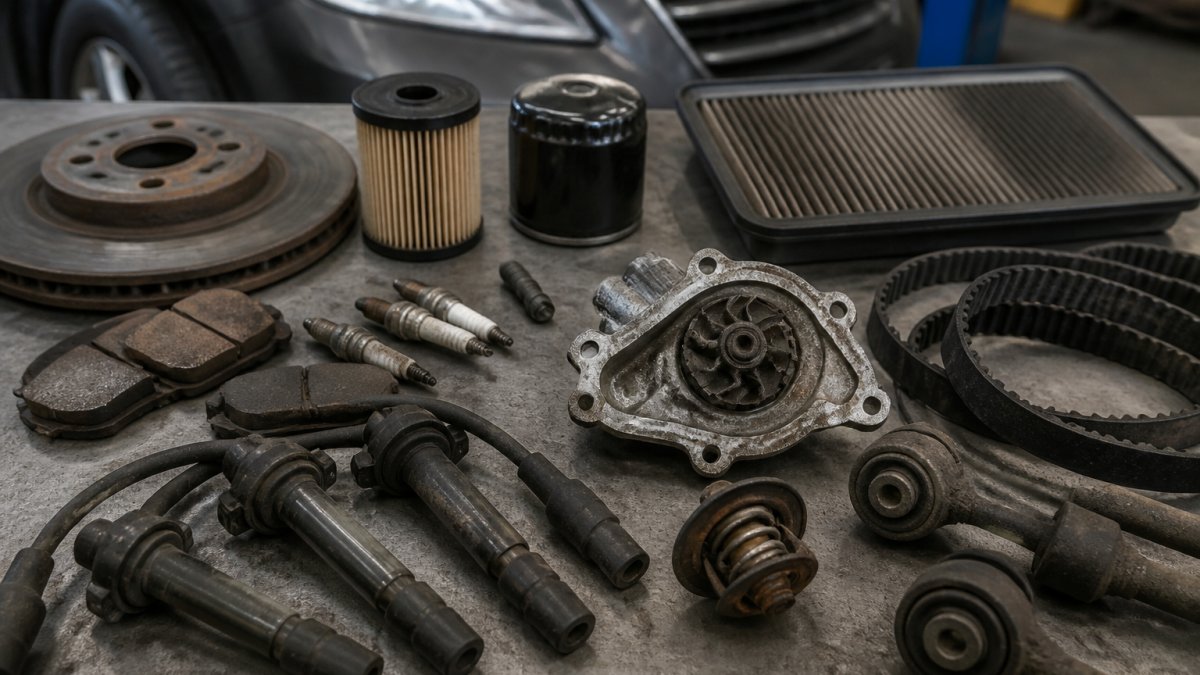
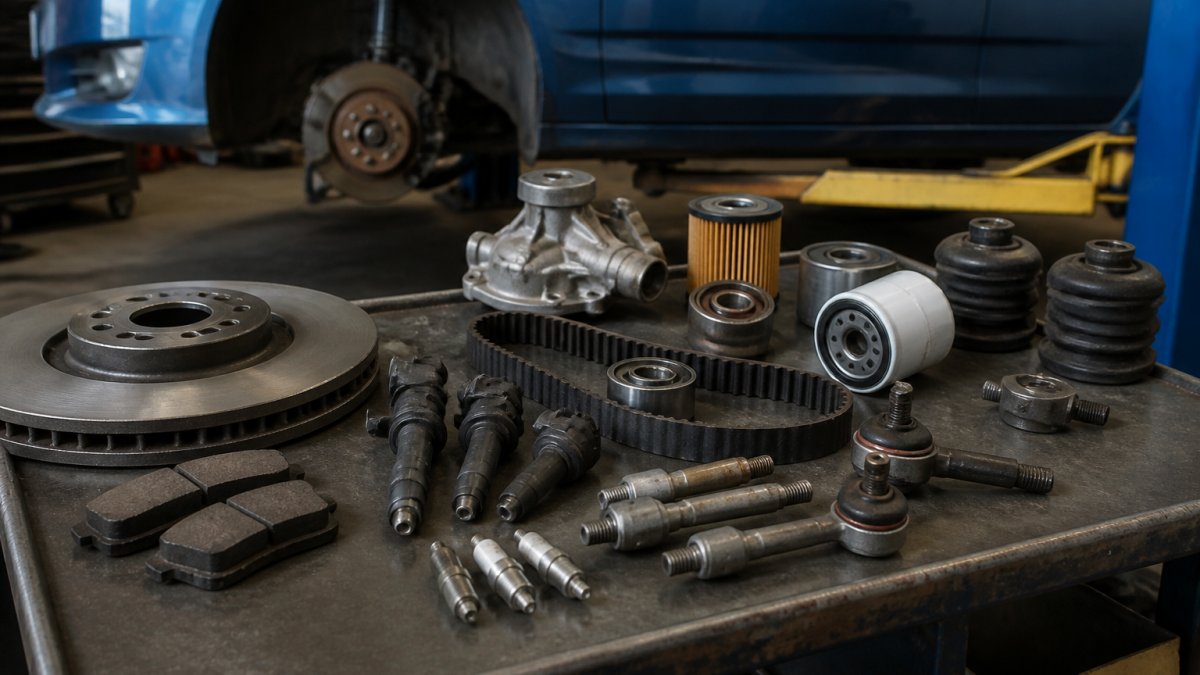
A 150,000-mile maintenance checklist groups work by urgency: safety-critical items first, then fluids and filters, then everything else:
- Brake pads, rotors, and brake fluid
- Tires, alignment, and suspension
- Engine oil and oil filter
- Coolant, transmission fluid, and power steering fluid
- Battery, alternator, and belts
- Air filter, cabin filter, and spark plugs
Safety-Critical Items First
Brakes, tires, and steering decide whether the car is safe to drive; everything else can wait.
Check brake pad thickness, rotor condition, and brake fluid color. Worn pads grind, and dark fluid means moisture has built up, both common past 150,000 miles.
Uneven tire wear points to an alignment problem or worn suspension parts. A car that pulls or vibrates needs a look before a long commute.
High-Mileage Car Fluid Maintenance: What to Change and When
High-mileage car fluid maintenance becomes a condition-based decision. Past 150,000 miles, heat cycles, age, and short trips break fluids down at different rates, so the manual interval is a starting point, not the final word.
At this mileage, fluids changed on time are usually still serviceable, while untouched ones cause problems. First, figure out what has actually been done to the car.
Start With Service History, Not the Odometer
Before draining anything, check for records: stickers under the hood or door jamb, receipts in the glovebox, dealer or shop history tied to the VIN, or a vehicle history report.
If records are incomplete, treat every fluid as unknown. Inspect each fluid, service the ones showing wear, and note the date and mileage to build your own record.
Fluid-by-Fluid Guidance
| Fluid | What to Check | Condition Threshold | Typical Interval at This Mileage |
|---|---|---|---|
| Engine oil | Level, color, smell, leaks | Gritty or milky oil; fuel smell | Every 5,000-7,500 miles, or per oil-life monitor |
| Coolant | Level, color, pH, debris | Rusty, brown, or oily; low pH | 30,000-50,000 miles or 5 years for most long-life formulas |
| Transmission fluid | Color, smell, level (per procedure) | Dark brown or black; burnt smell | 30,000-60,000 miles for many automatics; CVTs vary |
| Brake fluid | Color, moisture content | Dark amber; moisture above roughly 3% | Every 2-3 years regardless of mileage |
| Power steering fluid | Level, color, leaks | Dark or metallic; whining pump | 50,000-100,000 miles on many systems |
| Differential / transfer case | Level, color (AWD/4WD) | Dark, metallic, or low | 30,000-60,000 miles on many AWD systems |
These are general ranges. Your owner's manual and the fluid specification printed on the cap or in the manual override them.
Engine Oil and Filter
Engine oil and filter remain the highest-value service. Fresh oil protects worn bearings, timing components, and seals, while a clogged filter sends abrasive particles through the engine. Check the level weekly, an older engine burning a quart every 1,000 miles can run low between changes.
Coolant
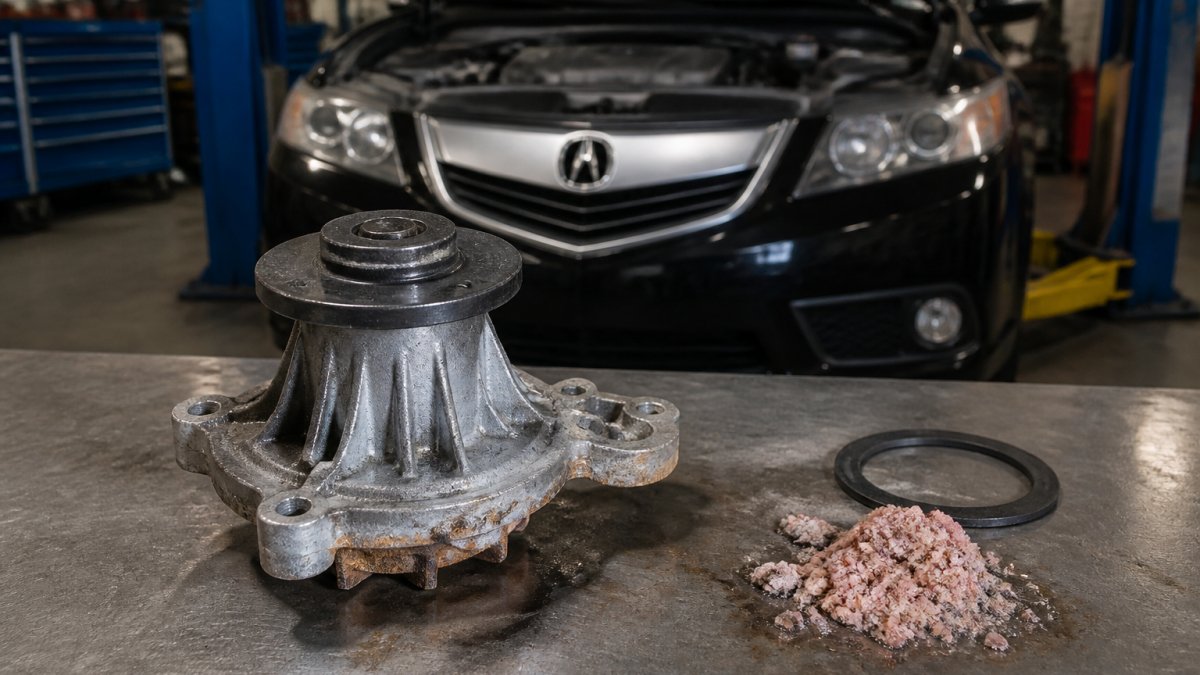
Old coolant loses its corrosion inhibitors, and corrosion then eats radiators, heater cores, and water pumps from the inside. Check the overflow bottle cold and look for crusty residue at hose connections. Rusty-looking coolant means a flush is overdue.
Transmission Fluid
Transmission fluid is the most-skipped service and the one that decides whether the car reaches 250,000 miles. Dark, burnt-smelling fluid signals clutch material and heat. On a conventional automatic, a drain-and-fill is usually safer than a full flush on a never-serviced high-mileage unit. On a CVT, use only manufacturer-specified fluid, the wrong fluid damages the belt and pulley assembly.
Brake Fluid
Brake fluid absorbs moisture, which lowers the boiling point and corrodes the ABS module and calipers from the inside. Most manufacturers call for a flush every two to three years regardless of mileage. A moisture test pen gives a quick reading; above roughly 3% is due.
Power Steering and Drivetrain Fluids
Hydraulic power steering fluid darkens with age and can whine when the pump is starved. Check level, color, and leaks at the rack and hoses. On AWD and 4WD vehicles, differential and transfer case fluids are separate services front-wheel-drive cars never need, and are frequently overlooked on used AWD purchases.
What Changes After 150,000 Miles
Three things shift at this mileage:
- Intervals shorten. Heat, age, and short trips accelerate breakdown, so check fluids more often than the manual says.
- Leaks matter more. A cosmetic seep at 60,000 miles can become a low-fluid condition at 150,000.
- Specifications matter more. The wrong fluid, especially in transmissions and CVTs, causes expensive damage.
If you don't know when a fluid was last changed, inspect it, service what's worn, and start a written log.
High-Mileage Car Inspection Checklist: What to Check Every 5,000 Miles
A high-mileage car inspection checklist every 5,000 miles catches small problems before they get expensive, keeping a 150,000-mile car on the road.
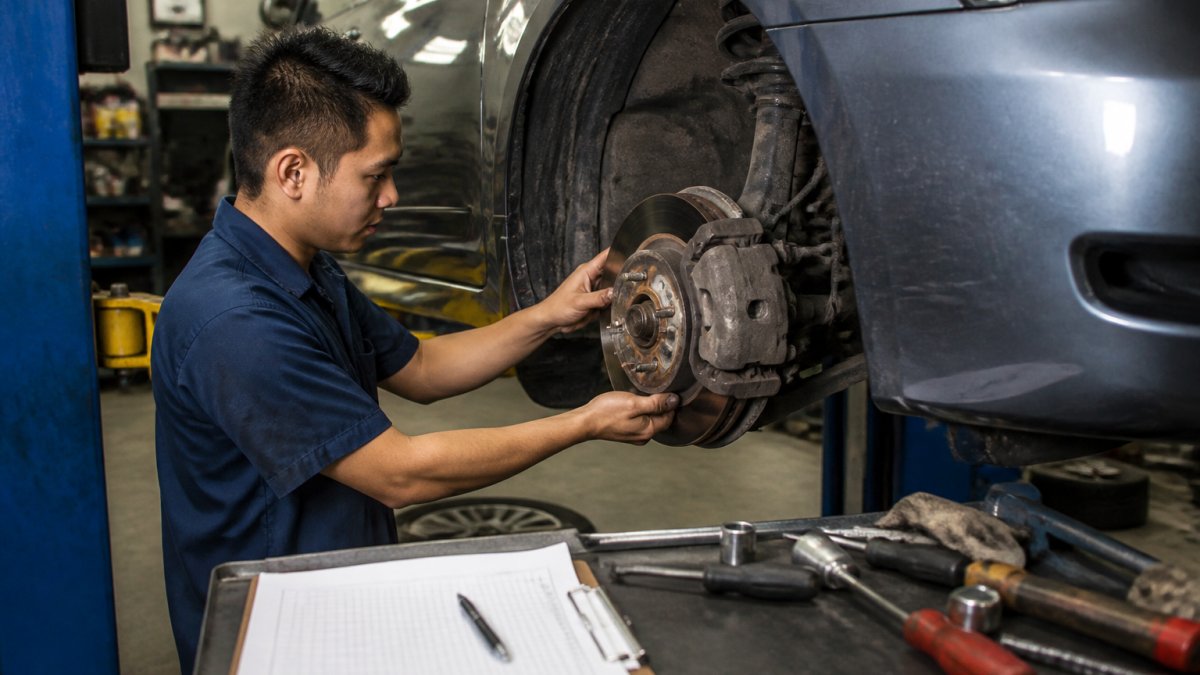
Walk through these checks:
- Brake pads and rotors for wear or grooves
- Tire tread depth and even wear
- Engine oil level and color
The battery and alternator are worth a specific look. A battery past three or four years can fail without warning.
Belts and hoses crack with age and heat. A snapped belt stops the car. A burst hose dumps coolant fast.
Check the mass airflow sensor and fuel system too.
Toyota 150,000-Mile Service and Model-Specific Schedule Differences
A Toyota 150,000-mile service is not one schedule. It varies by model, engine, drivetrain, and driving habits, a Camry, Tacoma, Highlander, and Prius don't share the same list at 150,000 miles.
Most high-mileage guides skip this gap, handing you a generic checklist without showing how to find your actual schedule. Here's how, plus the model-specific differences that matter.
How to Verify Your Actual Schedule
The owner's manual is the source of truth. Every Toyota manual includes a maintenance log with two columns: normal and severe driving conditions. Most American commuters fall into the severe category without realizing it.
Severe conditions typically include:
- Stop-and-go traffic in hot weather
- Short trips under five miles
- Extensive idling
If any of those describe your driving, shorten the intervals in the normal column. Toyota's official owner's manual and maintenance schedule resources at Toyota's official owner's manual and maintenance schedule resources let you look up the exact schedule for your model and year.
What Actually Differs by Model
Transmission type. A traditional automatic, a CVT, and a hybrid transaxle each have different fluid needs and specifications.
Drivetrain. All-wheel-drive and four-wheel-drive models add differential and transfer case fluid services that front-wheel-drive cars skip.
Hybrid components. Hybrid models add inverter coolant and a hybrid battery cooling system.
Towing and heavy use. A Tacoma or Tundra used for towing wears transmission, differential, and brake fluid faster.
A Practical 150,000-Mile Priority List
Regardless of model, this is the order most shops use at this mileage:
- Safety-critical: brakes, tires, steering, suspension
- Overdue preventive: engine oil and filter, coolant, transmission fluid, brake fluid
- Drivetrain: differential and transfer case fluids on AWD/4WD
- Ignition and fuel: spark plugs, air filter, cabin filter, fuel system cleaning
- Accessory: battery, alternator, belts, hoses
What to Do With Unknown Service History
If you bought the car used with no records, don't guess. Get a full inspection, then build a baseline:
- Change engine oil and filter immediately
- Test brake fluid moisture and flush if due
- Inspect coolant and service if rusty or low pH
Write down the date and mileage for every service. That log becomes the maintenance history the next owner wants, and helps you decide whether the car is worth keeping.
The single most useful thing you can do at 150,000 miles is find your actual schedule in the owner's manual, compare it to your real driving conditions, and write down what you have done. A generic checklist cannot replace that.
DIY Checks vs. Professional Diagnosis at 150,000 Miles
Some checks are easy to do yourself. Others need a lift, a scan tool, and experience. Knowing the difference saves time and money.
DIY-friendly tasks:
- Checking oil, coolant, and brake fluid levels
- Inspecting tire tread and pressure
- Testing the battery and cleaning terminals
Leave these to a professional:
- Brake pad and rotor replacement
- Suspension and steering diagnosis
- Transmission fluid service
The check-engine light is the clearest example. A code reader tells you which system flagged a problem, not the cause, a misfire code could be a spark plug, coil, injector, or vacuum leak.
If a noise or vibration worries you, get it checked. A quick diagnosis is cheaper than a tow.
Keep or Replace? A Decision Framework for High-Mileage Vehicles
Deciding whether to keep or replace a high-mileage vehicle comes down to repair cost versus replacement cost, plus maintenance history. Ask:
- Is the car safe? If brakes, steering, or structure are failing, that's a red flag.
- What's the repair bill vs. a car payment? A single repair is often cheaper than a year of payments.
- How's the maintenance history? A car with regular service records has fewer surprises.
- How's the body and interior? Rust or major damage changes the math.
- Do you still trust it for your commute? Reliability matters more than age.
A car with a solid service history and one clear repair is usually worth keeping. Multiple failing systems and unknown history make it a harder call.
If you bought used with no records, start fresh: get a full inspection, then build your own service history from that day forward.
Conclusion
A 150,000-mile car isn't done. It just needs inspection over assumption and safety before comfort.
At Speedy Roo Motorsports, we've specialized in Japanese vehicles since 2002. Our team handles Subaru, Toyota, Lexus, Honda, Acura, Nissan, Infiniti, Mitsubishi, and Mazda maintenance with the same care at 150,000 miles as at 15,000.
Get started with Speedy Roo Motorsports and keep your high-mileage Japanese car reliable for the miles ahead.
Frequently Asked Questions
What maintenance should a car have at 150,000 miles?
At 150,000 miles, focus on fluids, filters, and wear items. Change engine oil and filter, inspect the air filter, and check transmission fluid, coolant, brake fluid, and power steering fluid. Inspect brake pads, discs or drums, and linkage. Test the battery and alternator, and check belts, hoses, and seals for leaks. Also inspect the suspension system and chassis bolts. Your owner's manual lists the exact service interval for your model, and a shop can prioritize what's urgent versus what can wait.
How often should you change the transmission fluid in a high-mileage car?
Many manufacturers recommend a transmission fluid service every 60,000 to 100,000 miles, but at 150,000 miles the answer depends on your service history. If the fluid has never been changed, a drain-and-fill is usually safer than a full flush on a high-mileage vehicle. Check the fluid color and smell: dark, burnt fluid signals wear. Your owner's manual and a mechanic familiar with your model can confirm the right service interval.
Is it worth maintaining a car with over 150,000 miles?
Often yes, if the vehicle is otherwise sound and repairs cost less than replacing it. Regular preventive maintenance, including oil changes, fluid service, and brake inspection, is usually cheaper than ignoring warning signs. Compare the cost of needed work against a monthly payment on a new car before deciding.
What parts commonly need attention after 150,000 miles?
Common wear items at this mileage include brake pads and discs, brake fluid, transmission fluid, coolant, belts, hoses, seals, battery, alternator, and suspension components. The mass airflow sensor and fuel injectors may also need cleaning or replacement if engine performance drops. A thorough high-mileage car inspection checklist catches these early. Your owner's manual and service history help a technician decide which items are due now versus later.