 blog
Signs of Water Pump Failure in Acura
Table of Contents
- Engine Overheating and Temperature Gauge Rising
- Coolant Leaks and Low Coolant Levels
- Acura Water Pump Symptoms You Shouldn't Ignore
- How to Check a Water Pump for Failure
- Step 1: Visual Inspection for Leaks (Engine Cold)
- Step 2: Check the Weep Hole
- Step 3: Inspect the Pump Pulley for Bearing Play (Engine Off)
- Step 4: Listen for Bearing Noise (Engine Running)
- Step 5: Check Coolant Level (Engine Cold Only)
- Step 6: Pressure Test (Professional Equipment)
- When to Stop and Call for a Tow
- Timing Belt and Water Pump Replacement Considerations
- Is It Safe to Drive Your Acura With a Failing Water Pump
- What to Do When You Spot Water Pump Failure Signs
- Frequently Asked Questions
Last Updated: October 10, 2026
Engine Overheating and Temperature Gauge Rising
Engine overheating is one of the most obvious signs of water pump failure in Acura vehicles.
Steam or a sweet, burning odor are emergency signals. Stop immediately and let the engine cool, continuing to run an overheating engine causes serious internal damage.
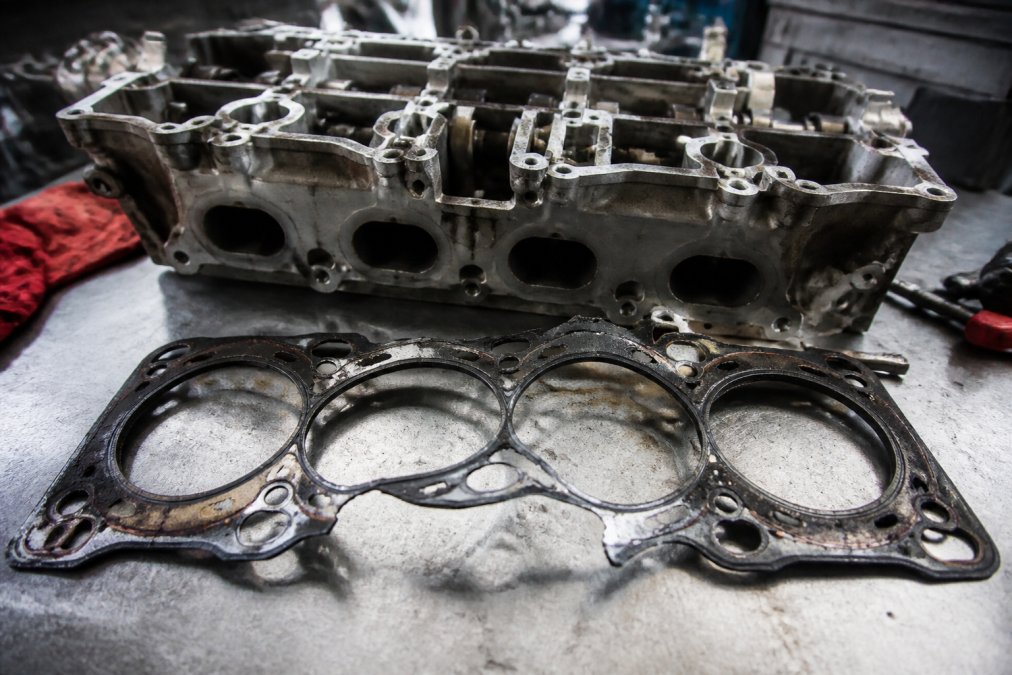
Ignoring early overheating signs often leads to cascading damage: failed thermostats, warped cylinder heads, blown gaskets. What starts as a water pump replacement can become a much more extensive repair.
Coolant Leaks and Low Coolant Levels
Not all coolant leaks point to the water pump. Identifying the leak source is critical to accurate diagnosis.
Where Water Pump Leaks Appear
A failing water pump typically leaks from three locations:
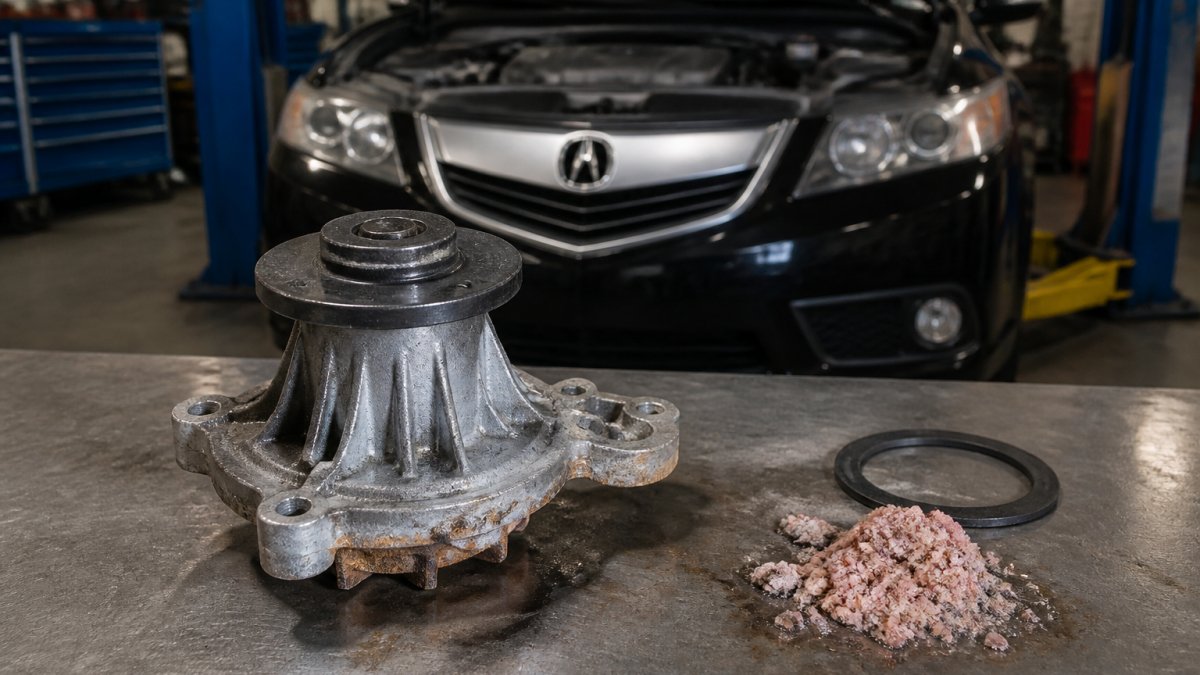
The weep hole: A small drainage hole on the bottom or side of the pump housing. A few drops every few days signal early-stage seal failure; a steady drip means replacement is urgent.
The pump housing seams: Cracks or seal failure produce leaks pooling directly beneath the pump.
The shaft seal area: A worn seal leaks coolant along the shaft and down the engine block.
Distinguishing Pump Leaks from Other Cooling-System Faults
Other components leak coolant and mimic water pump failure. Misdiagnosis wastes money and delays the real repair.
Radiator leaks: Appear at the bottom or sides of the radiator core with a fine mist pattern.
Hose leaks: Cracks or loose clamps produce leaks at connection points.
Thermostat housing leaks: Cracks or leaking gaskets produce leaks on the front or side of the engine, not at the pump.
Head gasket leaks: The most serious and hardest to spot.
Heater core leaks: Coolant inside the cabin (fogging windows, wet carpet) indicates heater core failure, not pump failure.
Low Coolant Level Without Visible Leaks
If coolant drops with no visible leaks, suspect a pinhole hose leak (weeps only when hot), internal head gasket failure (white exhaust smoke), air pockets, or poor pump circulation. A dropping coolant level always signals a leak or circulation fault, never ignore it.
Acura Model Variations in Leak Patterns
Acura models vary: TSX and TL (2004-2014) often show weep-hole leaks first; RDX V6 models are prone to radiator leaks; ILX (2013+) typically shows housing-seam leaks. Ask your technician about your model's known weak points.
Acura Water Pump Symptoms You Shouldn't Ignore
Signs of water pump failure in Acura models follow common patterns. When the pump fails, the entire cooling system falls out of sync.
Grinding, Whining, and Other Unusual Noises
A failing water pump bearing produces grinding or whining from the front of the engine, especially when cold or accelerating. As bearings deteriorate, friction increases and noise gets louder. Ignoring these sounds means the bearing will seize and the pump stops circulating coolant.
Weep Hole Leaks and Bearing Play
The weep hole drains fluid if the seal fails. A few drops signal early-stage seal breakdown. Check for shaft play by gently moving the pump pulley (engine off), excessive side-to-side or up-and-down movement indicates worn bearings and imminent failure.
How to Check a Water Pump for Failure
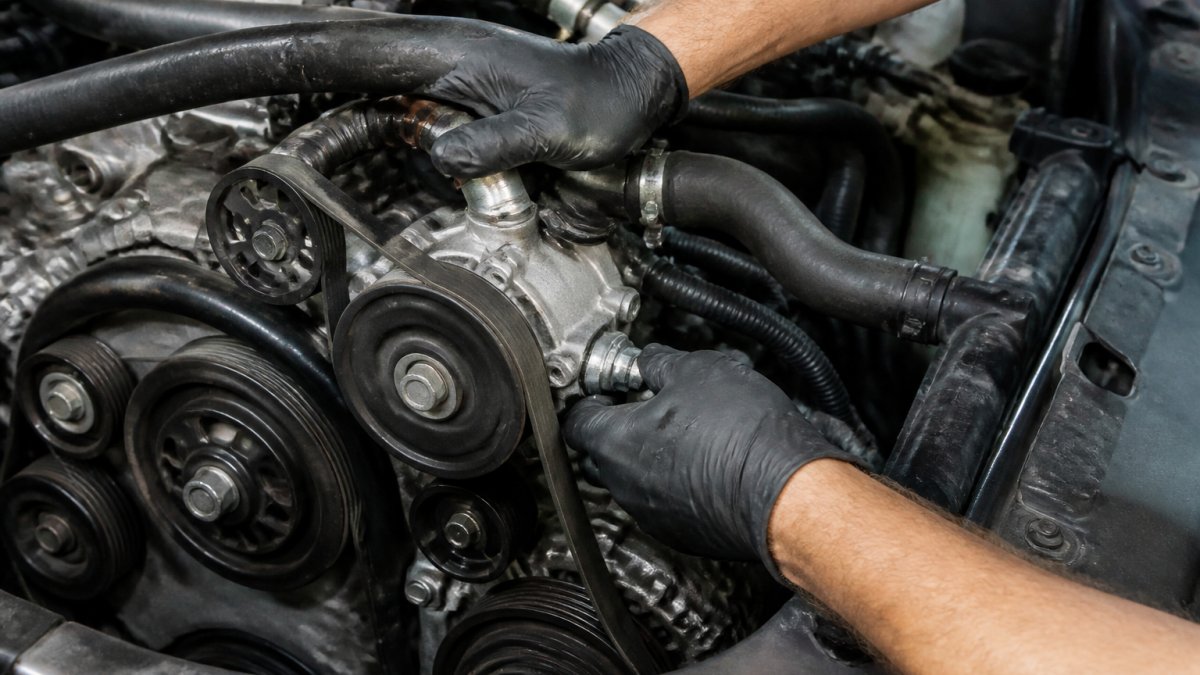
You can perform basic checks yourself on a cold engine. Never open the radiator cap when warm, pressurized coolant causes severe burns.
Step 1: Visual Inspection for Leaks (Engine Cold)
Look for wet spots, mineral deposits, or fresh coolant around the pump housing. Feel hoses, they should be firm, not soft or mushy. Soft hoses fail under pressure. Check the radiator separately for leaks at the bottom and sides.
Step 2: Check the Weep Hole
Locate the weep hole on the water pump. On most Acura models, it is on the bottom or lower side of the pump housing. A small drip every few days signals early-stage seal failure. A steady leak means the pump is near failure and replacement is urgent.
If you see no weep-hole leak but the pump housing is wet, the leak is coming from the housing seams or shaft seal, indicating more advanced failure.
Step 3: Inspect the Pump Pulley for Bearing Play (Engine Off)
Gently try to move the water pump pulley by hand. Grasp the pulley and try to move it side-to-side and up-and-down. There should be minimal play, less than 1/8 inch of movement.
Excessive radial (side-to-side) or axial (up-and-down) play means the bearing is worn and the pump is near failure. This is one of the most reliable signs of imminent pump failure.
Important: Do not force the pulley. Gentle pressure only. If you feel grinding or resistance, stop immediately, the bearing is seizing.
Step 4: Listen for Bearing Noise (Engine Running)
Start the engine and listen near the front of the engine bay, close to the water pump. Bearing wear produces distinctive sounds:
- Grinding: A rough, scraping sound that gets louder with engine speed. This indicates metal-on-metal contact inside the bearing.
- Whining: A high-pitched squeal, especially when the engine is cold or during acceleration. This is friction from a worn bearing.
- Squealing: A belt-slip noise that changes pitch with engine RPM. This may indicate a loose serpentine belt, not pump failure, but it should be checked.
Rev the engine gently and listen for changes in pitch or intensity. Bearing noise gets worse as the engine warms up and the pump works harder.
Critical warning for timing-belt-driven pumps: Some Acura engines (certain TSX, TL, and Accord models) drive the water pump directly from the timing belt. If the pump bearing seizes, it can break or jam the timing belt. A broken timing belt stops the engine instantly and can cause severe internal engine damage.
Step 5: Check Coolant Level (Engine Cold Only)
Once the engine has cooled completely (at least 30 minutes after running), open the radiator cap carefully.
Low coolant combined with no visible leaks suggests internal circulation problems, the pump may not be moving coolant effectively, or coolant is leaking internally into the combustion chamber (check for white exhaust smoke).
If the coolant is discolored (brown, rusty, or cloudy instead of bright green, orange, or pink), the cooling system has internal corrosion or contamination. This can accelerate pump bearing wear.
Step 6: Pressure Test (Professional Equipment)
A cooling-system pressure test requires a specialized tool and is best left to a repair facility. The test pressurizes the cooling system to reveal leaks that visual inspection misses and confirms whether the pump is circulating coolant effectively.
Many repair shops offer this test and it often saves money by confirming the diagnosis before you authorize a full pump replacement.
When to Stop and Call for a Tow
If you observe any of the following during your inspection, do not drive the vehicle:
- Steam or smoke coming from the engine bay
- The temperature gauge in the red zone or overheating warning light on
- Grinding noises from the pump area (especially on timing-belt-driven engines)
- Coolant actively dripping or pooling from the pump
- The pump pulley has severe play (more than 1/4 inch of movement)
Continuing to drive an overheating Acura for even 5-10 minutes can warp cylinder heads, blow gaskets, and seize pistons, repairs that can be very costly. A tow to a repair facility can prevent catastrophic engine damage.
If you're unsure about any findings, bring your Acura to a qualified repair facility. Our dedicated team of technicians provides reliable service for Subaru, Toyota, Lexus, Honda, Acura, Nissan, Infiniti, Mitsubishi, and Mazda vehicles, ensuring your car receives the highest quality care.
Timing Belt and Water Pump Replacement Considerations
In many Acura models, the timing belt and water pump share the same service interval. Some Acura engines have the water pump driven directly by the timing belt.
When the timing belt breaks, the engine stops. Valves and pistons may collide inside the engine, causing severe internal damage. Repair costs jump from hundreds to thousands of dollars.
Manufacturers often recommend replacing both the timing belt and water pump together, even if only one shows signs of wear. This preventive approach saves money in the long run.
Is It Safe to Drive Your Acura With a Failing Water Pump
Short answer: no. Driving with a failing water pump risks catastrophic engine damage.
If you notice early signs like small coolant leaks or occasional noises, you have a narrow window to get repairs done safely. Drive directly to a repair facility. Avoid highways and long trips. Keep the engine cool by avoiding heavy traffic and aggressive acceleration.
If you see steam, smell burning coolant, or your temperature gauge enters the red zone, pull over immediately. Shut off the engine and call for a tow truck. Continuing to drive will overheat the engine beyond repair.
What to Do When You Spot Water Pump Failure Signs
Act quickly. The sooner you address water pump failure, the less damage spreads to other cooling system components.
Immediate steps:
- Stop driving and let the engine cool if you see steam or smell coolant
- Check your coolant level once the engine is cold
- Look for visible leaks under the car
- Listen for unusual noises on your next short drive
- Schedule a diagnostic appointment
Contact Speedy Roo Motorsports for a thorough cooling system inspection. We'll identify whether the water pump is the problem or if another component needs attention. Our transparent communication means you'll understand exactly what's wrong and what repairs cost before we start work.
We serve Acura owners throughout the Denver Metro area with reliable service and honest advice. Speedy Roo Motorsports is Aurora, CO's premier independent repair facility, specializing in expert maintenance and repair for Japanese automobiles since 2002.
Frequently Asked Questions
What are the main signs of water pump failure in an Acura?
The most common signs of water pump failure in Acura vehicles include engine overheating, visible coolant leaks beneath the car or around the engine, a low coolant level that drops quickly, and unusual grinding or whining noises from the engine. You may also notice steam rising from under the hood or a sweet smell from coolant. A failing water pump disrupts coolant circulation, which prevents your engine from cooling properly and can lead to serious damage if ignored.
Can a failing water pump cause an Acura to overheat?
Yes, a failing water pump is one of the primary causes of engine overheating in Acura vehicles. The water pump circulates coolant through the engine and radiator. When it fails or loses efficiency, coolant stops flowing, and your engine temperature rises rapidly. You'll see the temperature gauge climb toward the red zone. This is a serious warning sign that requires immediate attention to avoid catastrophic engine damage.
How can you tell whether an Acura's water pump or thermostat is bad?
A failing water pump typically causes visible coolant leaks, grinding or whining noises from the pump itself, and weep hole leaks near the pump. A bad thermostat usually causes overheating without visible leaks or noise, and the temperature gauge fluctuates unpredictably. To distinguish between them, have a technician perform a pressure test and inspect the pump visually. At Speedy Roo Motorsports, we use diagnostic equipment and hands-on inspection to pinpoint the exact cause of your overheating issue.
Can you drive an Acura with a failing water pump?
Driving an Acura with a failing water pump is risky and not recommended. A failing pump causes overheating, which can warp the cylinder head, damage the gaskets, and seize the engine, repairs that can be far more costly than a pump replacement. If you notice signs of failure, stop driving the vehicle and have it inspected by a qualified technician. Short trips to a repair facility may be necessary, but extended driving will cause severe engine damage.
When your Acura's cooling system fails, you need a repair facility that understands Japanese vehicles inside and out. Speedy Roo Motorsports specializes in Acura maintenance and repair with over two decades of experience. We use transparent communication, provide quality work under the hood, and treat every customer with respect. Schedule your water pump inspection today and avoid costly engine damage down the road.