 ultimate-guide
Lexus Hybrid Battery Replacement Pricing Guide
Table of Contents
- Understanding Lexus Hybrid Battery Replacement Costs
- Factors That Influence Your Replacement Price
- Lexus Hybrid Battery Lifespan and When Degradation Occurs
- Signs of a Failing Hybrid Battery You Shouldn't Ignore
- New vs. Reconditioned Batteries: Which Option Fits Your Budget
- Lexus Hybrid Battery Warranty Coverage Explained
- How to Extend Your Battery's Life and Avoid Premature Replacement
- Frequently Asked Questions
Last Updated: August 27, 2026
Understanding Lexus Hybrid Battery Replacement Costs
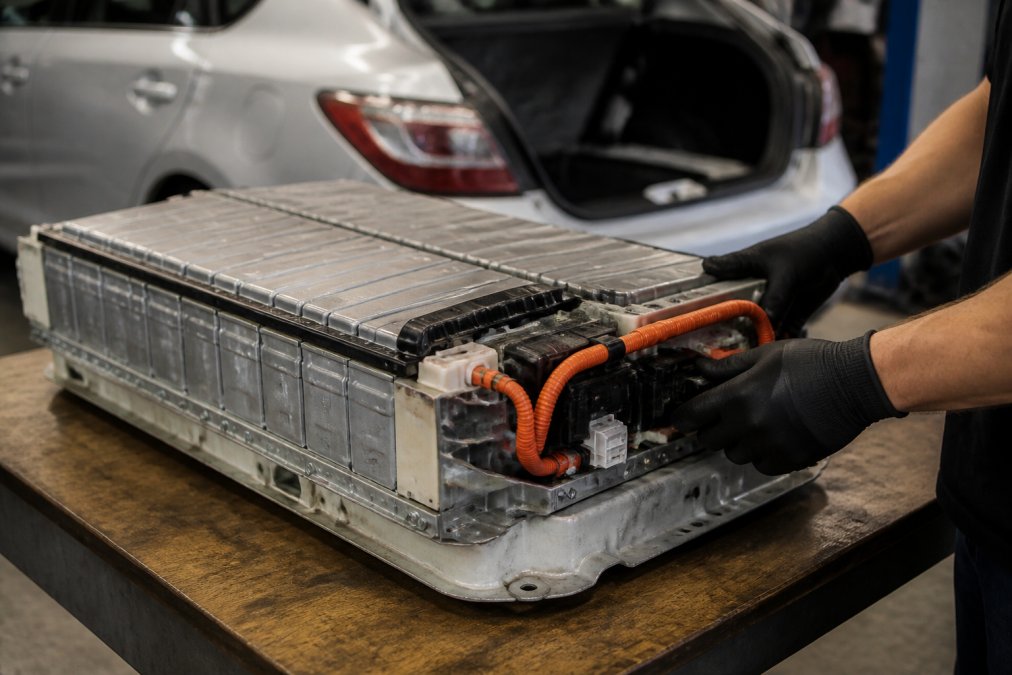
A Lexus hybrid battery replacement represents one of the most significant maintenance expenses a hybrid owner will face. At Speedy Roo Motorsports, we've helped Lexus owners navigate this decision, and the cost varies dramatically depending on your specific model, the type of battery you choose, and where you have the work performed.
The hybrid battery replacement cost depends on several interconnected factors. Your vehicle's age, mileage, and specific model year all play a role. Whether you opt for a new original equipment manufacturer (OEM) battery, a reconditioned unit, or an aftermarket alternative changes the price substantially. Labor costs also fluctuate based on your location and the repair facility's expertise with hybrid systems.
Most Lexus owners discover they need a replacement when warning lights appear on the dashboard or fuel efficiency drops noticeably. The decision to replace becomes urgent, and understanding your options beforehand prevents hasty choices made under pressure.
The hybrid battery replacement process involves more than just swapping out a battery pack. Technicians must properly diagnose the issue, disconnect high-voltage systems safely, remove the old battery, install the new one, and recalibrate the hybrid system. This complexity is why choosing an experienced repair facility matters as much as choosing the right battery type.
Factors That Influence Your Replacement Price
Several variables determine what you'll pay for a hybrid battery replacement. Understanding these factors helps you make an informed decision rather than accepting the first quote you receive.
Your Lexus model year significantly impacts pricing. Newer models with advanced battery management systems and integrated thermal cooling require more sophisticated diagnostics and installation procedures. A 2024 Lexus RX hybrid will have different replacement costs than a 2015 model, both because the battery technology differs and because newer vehicles often have more complex electrical integration.
The battery's state of health and remaining capacity influence whether a full replacement is necessary. Some owners discover that their battery has degraded to 60-70% capacity but still functions adequately for their driving patterns. Others experience sudden failure where the battery drops below usable thresholds. A diagnostic scan reveals the actual state of health, helping you understand whether replacement is truly urgent or can be deferred.
Your driving patterns affect battery longevity. Owners who regularly use regenerative braking through frequent city driving, downhill routes, or highway traffic often see longer battery life than those with primarily highway commuting. Thermal management also plays a critical role, batteries in hot climates degrade faster than those in temperate regions. Charging cycles accumulate over time, and each cycle slightly reduces the battery's capacity.
The specific repair facility you choose impacts labor costs substantially. Dealerships typically charge premium labor rates, sometimes $150-250 per hour for hybrid system work. Independent shops with hybrid expertise, like Speedy Roo Motorsports, often provide competitive labor rates while maintaining the same technical standards. The difference between a dealership quote and an independent shop's quote for the same work can easily exceed $1,000.
Lexus Hybrid Battery Lifespan and When Degradation Occurs
Understanding how long a Lexus hybrid battery typically lasts helps you plan for replacement and recognize when degradation is accelerating abnormally.
Most Lexus hybrid batteries are designed to last between 150,000 and 200,000 miles, though many exceed this range (toyota.com). The battery's actual lifespan depends on usage patterns, climate, and how well the vehicle's thermal management system functions. Some owners report their batteries performing adequately at 250,000 miles, while others experience significant degradation by 120,000 miles.
Battery degradation occurs gradually through a process called cycle fatigue. Each charging and discharging cycle slightly reduces the battery's capacity to store energy. Over thousands of cycles, this accumulated wear becomes noticeable. A battery at 80% of its original capacity might deliver adequate power for your driving needs, but at 60% capacity, the hybrid system struggles to assist the engine, and fuel efficiency drops noticeably (peer-reviewed research).
Temperature plays a crucial role in battery lifespan. Extreme heat accelerates chemical reactions inside the battery cells, causing faster degradation. This is why Lexus hybrid batteries in hot climates often require replacement sooner than those in temperate regions. Conversely, extreme cold reduces the battery's ability to deliver power efficiently, though it doesn't necessarily damage the cells permanently.
The hybrid system's thermal management keeps the battery within an optimal temperature range. When this cooling system malfunctions, battery temperature rises, and degradation accelerates. A failing thermal management system can reduce battery lifespan from 200,000 miles to 100,000 miles or less. This is why addressing cooling system issues promptly protects your battery investment.
Signs of a Failing Hybrid Battery You Shouldn't Ignore
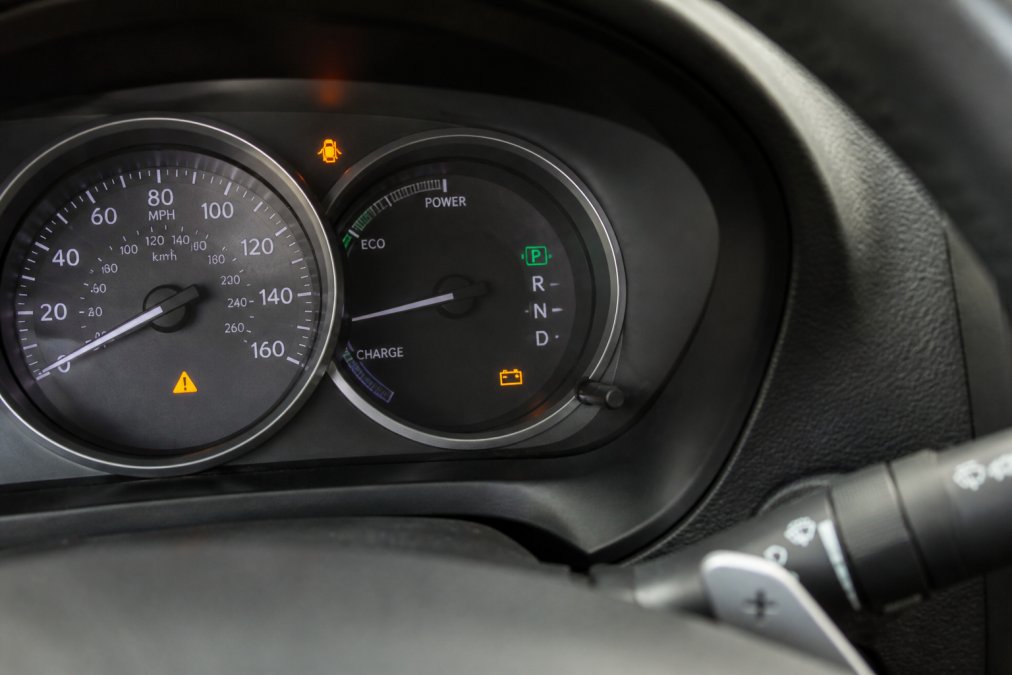
Your Lexus provides several warning signals when the hybrid battery is failing or degraded. Recognizing these signs early gives you time to plan for replacement rather than facing an emergency breakdown.
The hybrid system warning light is the most obvious indicator. This amber light appears on your dashboard when the battery's state of health drops below acceptable thresholds or when diagnostic trouble codes indicate battery-related issues. This light demands immediate attention, driving with this warning active can cause additional damage to the hybrid control module.
Decreased fuel efficiency is another common sign. If your Lexus hybrid suddenly drops from 35 mpg to 28 mpg without changes in your driving habits, the battery is likely struggling to assist the engine. The gas engine compensates by working harder, burning more fuel. This efficiency loss often precedes warning lights by weeks or months.
Reduced acceleration or sluggish performance indicates the battery cannot deliver adequate power to assist the engine. You might notice the vehicle hesitates when accelerating from a stop or struggles on hills. The hybrid system relies on battery power to supplement engine output during these demanding moments. When battery capacity drops, this assist function weakens.
Unusual sounds from the engine compartment, clicking, whining, or grinding, can indicate battery module failure or thermal management system malfunction. These sounds warrant immediate professional diagnosis. Continuing to drive with these symptoms risks damage to the hybrid control module or engine.
The battery's inability to hold a charge between driving sessions is a critical sign. If your Lexus sits unused for a week and the hybrid system won't engage properly on startup, the battery has likely degraded significantly. A healthy battery maintains sufficient charge to power the hybrid system even after extended idle periods.
New vs. Reconditioned Batteries: Which Option Fits Your Budget
When facing hybrid battery replacement, you'll encounter three primary options: new OEM batteries, reconditioned batteries, and refurbished cells. Each option presents different advantages and trade-offs.
New OEM batteries represent the premium option. These batteries are manufactured by Lexus or authorized suppliers and meet original specifications exactly. A new battery comes with full manufacturer warranty coverage, typically 8 years or 100,000 miles. The battery's cells are fresh, and you're guaranteed full capacity from day one. The trade-off is cost, new OEM batteries command the highest price.
Reconditioned batteries offer a middle ground. These batteries are removed from vehicles with lower mileage or are professionally rebuilt by specialists. The reconditioned battery undergoes testing to verify it meets minimum capacity standards, typically 80% or higher of original capacity. Reconditioned batteries cost significantly less than new OEM units, often 40-60% less. The warranty is shorter, usually 3-5 years, and capacity may continue to degrade at a slightly faster rate than a new battery.
Refurbished batteries are the budget option. These units have been tested and cleaned but may contain original cells with unknown history. Refurbished batteries are the cheapest option but carry the most uncertainty. Warranty coverage is minimal, often just 1-2 years, and capacity may already be compromised. Some shops no longer offer refurbished options due to reliability concerns.
The decision between these options depends on your vehicle's remaining useful life, your budget, and your tolerance for risk. If you plan to keep your Lexus for 10+ more years, a new OEM battery makes financial sense despite higher upfront cost. The extended warranty and guaranteed capacity justify the premium. If you're uncertain about keeping the vehicle beyond 5 years, a reconditioned battery provides better value.
Consider the battery's remaining useful life when evaluating cost-per-mile. A new battery might cost $4,000-6,000 but deliver 150,000+ miles of service. A reconditioned battery costing $2,000-3,000 might provide 80,000-100,000 miles. The per-mile cost often favors the new battery despite higher upfront expense.
Lexus Hybrid Battery Warranty Coverage Explained
Warranty coverage protects your investment in hybrid battery replacement. Understanding what's covered and for how long prevents surprises if issues arise after installation.
Lexus offers powertrain warranty coverage on hybrid batteries for 8 years or 100,000 miles, whichever comes first (toyota.com). This coverage applies to new OEM batteries installed at dealerships and covers defects in manufacturing or materials. If the battery fails within this period due to manufacturing defects, Lexus covers replacement at no cost to you.
However, powertrain warranty does not cover battery degradation due to normal use. If your battery capacity drops from 100% to 70% due to normal charging cycles, warranty does not apply. The warranty covers failure, not normal aging.
Reconditioned batteries typically come with shorter warranties from the shop that reconditioned them, usually 3-5 years. These warranties cover defects but often exclude normal degradation. Some reconditioned battery providers offer limited capacity guarantees, promising the battery will maintain at least 80% capacity for the warranty period.
Extended warranties are available from some repair shops and third-party providers. These warranties extend coverage beyond standard powertrain coverage and sometimes include capacity guarantees. Extended warranty costs typically range from $500-1,500 and can provide valuable protection if you're concerned about battery longevity.
The warranty's mileage limit matters significantly. A 100,000-mile warranty is less valuable for a driver accumulating 20,000 miles annually compared to someone driving 12,000 miles yearly. Calculate how many years the mileage limit represents for your driving pattern.
How to Extend Your Battery's Life and Avoid Premature Replacement
Proactive maintenance extends your Lexus hybrid battery's lifespan and delays expensive replacement. Several strategies help you maximize battery longevity.
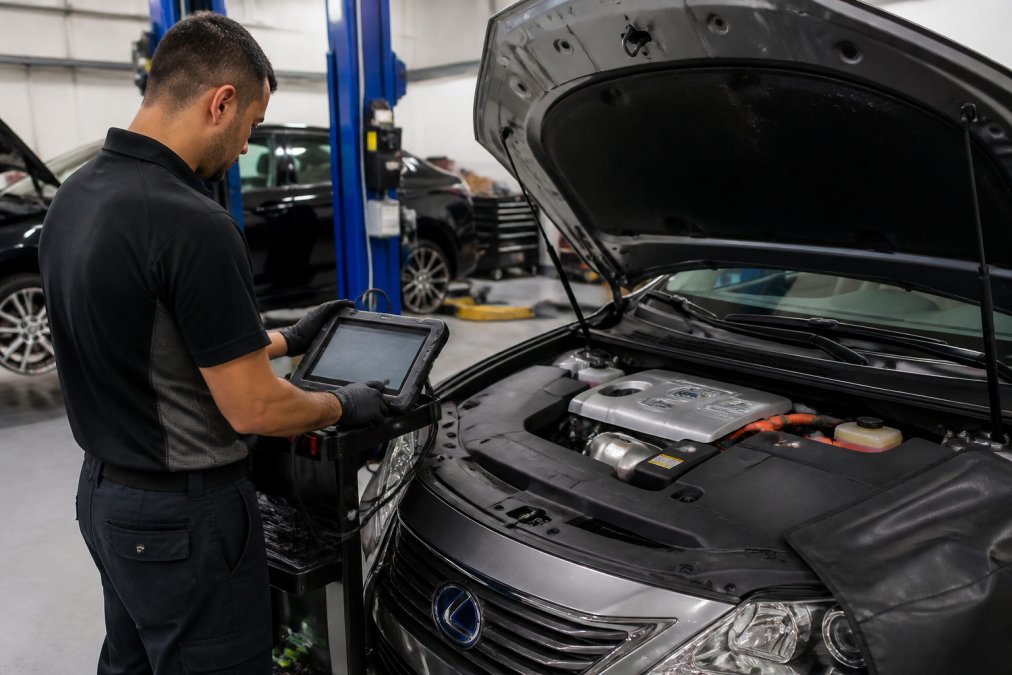
Regular diagnostic scans reveal battery health trends before problems become critical. Many shops, including Speedy Roo Motorsports, can monitor your battery's state of health over time. If you notice the scan results declining rapidly, you can prepare for replacement rather than facing emergency failure. Annual or biennial scans provide valuable data for planning.
Thermal management system maintenance is crucial. The battery cooling system keeps cells within optimal temperature ranges. If cooling lines become clogged or the cooling fan malfunctions, battery temperature rises, accelerating degradation. Regular inspection of cooling system components prevents this common failure mode.
Driving habits influence battery longevity. Frequent regenerative braking, coasting downhill, gradual deceleration, and light braking, charges the battery gently. Aggressive acceleration and hard braking stress the battery more. Smooth, predictable driving patterns reduce stress on battery cells.
Avoiding extreme temperatures protects battery health. Park in shaded areas during hot weather. If possible, keep your Lexus in a garage during extreme cold. While you can't control ambient temperature completely, minimizing exposure to temperature extremes helps.
Battery conditioning cycles help maintain battery health. Periodically allowing the battery to fully discharge and recharge through normal driving can help maintain cell balance. This is different from aggressive cycling, gentle, natural discharge and recharge cycles benefit the battery.
Addressing warning lights immediately prevents cascading damage. A failing thermal management system or electrical connection issue stresses the battery. Fixing these problems quickly protects your battery investment.
Keep your vehicle's software updated. Lexus periodically releases software updates that optimize hybrid system performance and battery management. These updates sometimes improve battery longevity by optimizing charging algorithms and thermal management.
Lexus hybrid battery replacement represents a significant maintenance expense, but understanding your options helps you to make the right choice for your situation. Whether you choose a new OEM battery, reconditioned unit, or explore extended warranty options, the key is getting a proper diagnostic from a shop experienced with hybrid systems.
At Speedy Roo Motorsports, our technicians have diagnosed and replaced hybrid batteries on Lexus vehicles. We provide transparent diagnostic scans that reveal your battery's actual state of health, competitive labor rates without cutting corners, and honest recommendations about whether replacement is truly necessary right now. Contact us for a diagnostic scan and detailed quote, we'll help you understand exactly what your Lexus hybrid battery replacement will cost and what your best options are.
Frequently Asked Questions
How much does it cost to replace a hybrid battery in a Lexus?
Lexus hybrid battery replacement costs depend on your vehicle model, whether you choose a new or reconditioned battery, labor rates at your repair facility, and your vehicle's mileage. Pricing varies significantly between dealerships and independent shops. Contact Speedy Roo Motorsports for a transparent quote based on your specific Lexus model and current battery condition. We'll provide a detailed breakdown of parts and labor costs upfront.
What is the typical lifespan of a Lexus hybrid battery?
Most Lexus hybrid batteries last between 8 to 15 years or 100,000 to 200,000 miles, depending on driving habits, climate conditions, and maintenance practices. Lithium-ion batteries used in newer Lexus models tend to degrade gradually rather than fail suddenly. State of health monitoring through diagnostic scans can reveal degradation early, helping you plan for replacement before performance drops significantly.
Are there signs that my Lexus hybrid battery is failing?
Yes. Common warning signs include the hybrid system warning light on your dashboard, reduced fuel efficiency, slower acceleration, the gasoline engine running more frequently than normal, and difficulty maintaining charge. A diagnostic scan using professional equipment can read diagnostic trouble codes and assess battery voltage and capacity. If you notice any of these symptoms, have your battery tested to determine if replacement is necessary.
What does Lexus hybrid battery warranty coverage include?
Lexus typically covers hybrid batteries under the powertrain warranty for 8 years or 100,000 miles from the vehicle's original in-service date, whichever comes first. Coverage includes battery modules, thermal management systems, and related components. Some extended warranty options may offer additional protection beyond the factory warranty. Review your warranty documentation or contact your Lexus dealership to confirm your specific coverage and mileage limits.
Should I choose a new or reconditioned hybrid battery?
New batteries offer full capacity and typically include a manufacturer warranty, making them the most reliable choice if budget allows. Reconditioned batteries have been tested and refurbished to meet performance standards, costing less upfront while still providing reliable function. Reconditioned batteries usually include a warranty covering defects. Your choice depends on your budget, how long you plan to keep the vehicle, and your tolerance for risk. Speedy Roo Motorsports can discuss both options and help you decide which makes sense for your situation.