 listicle
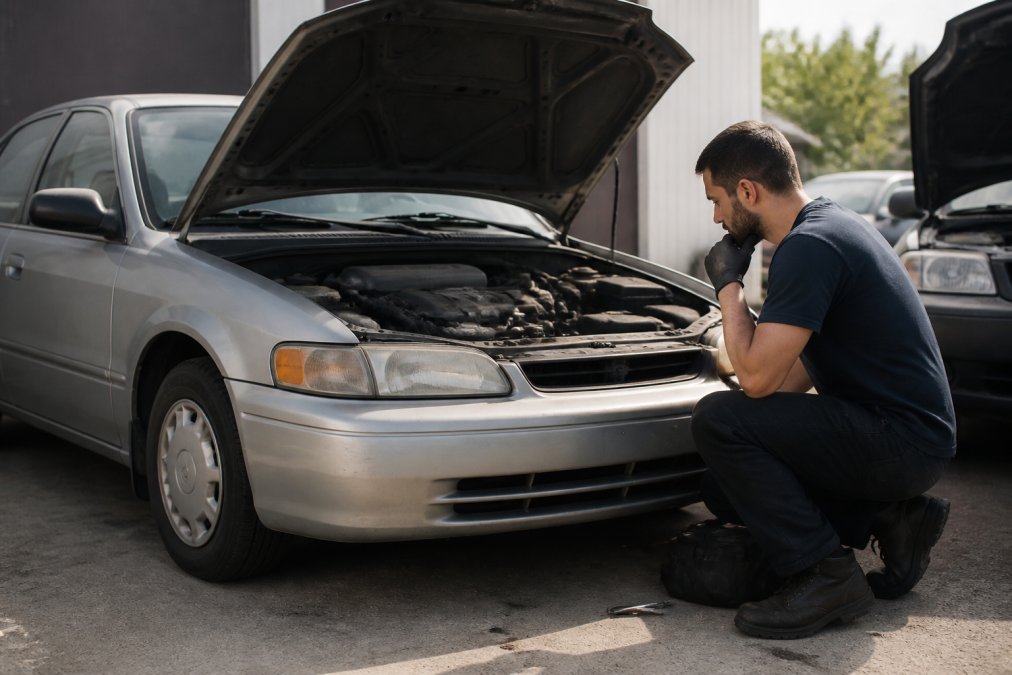
Is It Worth Repairing a High Mileage Toyota?
Table of Contents
- The 50% Rule: Repair Cost vs. Vehicle Value
- Signs a Car Is Not Worth Fixing
- Toyota Maintenance Schedule for High Mileage Vehicles
- Common Wear and Tear Items on High-Mileage Toyotas
- Average Cost of Car Repairs Per Year
- Keeping vs. Replacing: Pros and Cons
- Conclusion: Making Your Decision
- Frequently Asked Questions
Last Updated: September 1, 2026
The 50% Rule: Repair Cost vs. Vehicle Value
When deciding whether to repair a high mileage Toyota, the most straightforward benchmark is the 50% rule: if repair costs exceed 50% of the vehicle's current market value, it's generally time to consider replacing rather than fixing. A high mileage Toyota worth $8,000 with a $4,200 repair bill sits right at the line, you've invested half the car's value into a single fix, leaving little margin for error if transmission failure or engine trouble strikes next year.
However, the 50% rule is a starting point, not a final answer. According to Kelley Blue Book's vehicle valuation methodology, a car's residual value depends on mileage, condition, maintenance history, and market demand. A well-maintained Toyota with full service records might hold value better than one with spotty maintenance, even at the same mileage. The real decision hinges on three questions: How much longer do you plan to keep the car? What's your risk tolerance for unexpected repairs? And what's the opportunity cost of the capital you'd invest in repairs versus putting it toward a replacement vehicle?
Signs a Car Is Not Worth Fixing
Some repairs are deal-breakers regardless of the 50% rule. If your high mileage Toyota shows these warning signs, the economics of repair shift dramatically.
Engine or transmission failure. These are the most expensive mechanical failures on any vehicle, routinely exceeding $3,000-$5,000 in labor and parts alone. For a Toyota with 150,000+ miles, this failure often signals that other major components are nearing end-of-life.
Extensive rust and corrosion. Frame rust and structural damage affect safety and long-term viability. Rust doesn't stop; it spreads, and repairs are often impossible without replacing entire sections.
Multiple simultaneous failures. When your high mileage Toyota needs brake work, suspension repair, and transmission service all at once, you're seeing accumulated wear that indicates the vehicle is approaching the end of its service life.
Failed safety inspection. If your vehicle fails emissions testing or safety inspection due to mechanical issues, repairs may be required by law. Depending on what failed, the cost to bring it into compliance might exceed the vehicle's value.
Recurring problems after repair. If the same issue resurfaces after a fix, the underlying cause likely runs deeper, suggesting a systemic problem that a single repair won't solve.
Toyota Maintenance Schedule for High Mileage Vehicles
Toyota's preventative maintenance approach is one reason the brand holds value in the used market. Routine maintenance, oil changes, filter replacements, fluid top-ups, should continue on schedule regardless of mileage. Toyota recommends oil changes every 10,000 miles or 12 months for conventional oil, and every 10,000 miles for synthetic oil (toyota.com).
At higher mileage thresholds, certain components require attention. Timing belt replacement, typically due around 100,000 miles, is critical preventative service. Skipping this repair can result in catastrophic engine damage if the belt fails. Suspension components, struts, control arms, and bushings wear with mileage and should be inspected regularly. According to Toyota's official owner maintenance guides, vehicles that follow recommended service intervals experience fewer unexpected failures and maintain better residual value.
For high mileage vehicles, consider a comprehensive diagnostic inspection before committing to major repairs. This reveals the overall condition of the engine, transmission, and suspension, information that informs whether repair or replacement makes sense.
Common Wear and Tear Items on High-Mileage Toyotas
High mileage Toyotas face predictable wear patterns. Understanding which components typically fail helps you anticipate costs and prioritize repairs.
Suspension and steering components deteriorate with mileage and road use. Struts, shocks, control arm bushings, and tie rods wear out, causing clunking noises, uneven tire wear, and loose steering feel. Replacing suspension components can run several hundred to over a thousand dollars depending on what needs work.
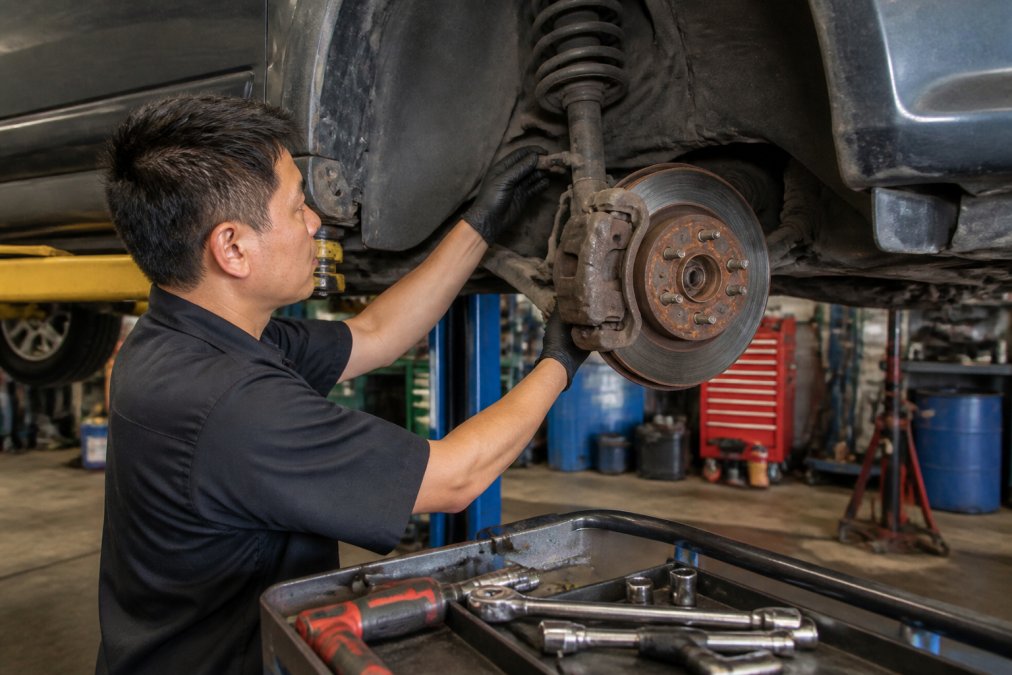
Brake system wear is inevitable. Pads wear down, rotors warp, and brake lines can corrode. A complete brake service typically costs several hundred dollars but is essential for safety.
Transmission fluid degradation occurs over time. Fluid becomes contaminated with metal particles and loses its ability to protect transmission components. A transmission fluid service can prevent costly transmission failure.
Engine gaskets and seals leak as rubber deteriorates. While a single gasket replacement might be affordable, multiple leaks suggest the engine is aging and more failures may follow.
Alternator, starter, and battery components have finite lifespans. Electrical failures are usually cheaper to fix than mechanical ones, but they can leave you stranded.
Catalytic converter failure triggers check engine lights and failed emissions tests. Replacement is expensive, though some repair shops offer aftermarket options that cost less than OEM parts.
The pattern is clear: high mileage means multiple components are aging simultaneously. Addressing one wear item doesn't prevent others from emerging.
Average Cost of Car Repairs Per Year
Understanding typical annual repair costs for high mileage vehicles helps you evaluate whether ongoing repairs make financial sense.
Routine maintenance, oil changes, filter replacements, fluid top-ups, typically runs $500-$1,000 annually. Major repairs, suspension work, brake service, transmission fluid service, timing belt replacement, or electrical repairs, can range from $1,000 to $3,000+ per incident.
The real cost challenge emerges when you total up consecutive years of repairs. A high mileage Toyota requiring $2,000 in repairs this year and $3,000 next year has consumed $5,000 in capital that could have gone toward a replacement vehicle. Over five years, that accumulates to $10,000-$15,000 or more, potentially the entire purchase price of a used replacement vehicle.
If you're spending $3,000 annually on repairs for a vehicle worth $6,000, you're reinvesting 50% of the car's value every year just to keep it running. The question isn't just "Can I afford this repair?" but "How many more years can I afford repairs at this rate?" reasons for repair costs.
Keeping vs. Replacing: Pros and Cons
The decision between repairing and replacing a high mileage Toyota involves trade-offs across financial, practical, and environmental dimensions.
Pros of keeping and repairing:
Repair costs are often lower than a vehicle payment. A $2,000 repair is cheaper than a $400 monthly payment on a replacement car. You avoid the hassle of shopping, negotiating, and financing a replacement. Environmental impact is lower, manufacturing a new vehicle consumes resources and generates emissions. You know your Toyota's quirks, maintenance history, and reliability patterns.
Cons of keeping and repairing:
Repair costs are unpredictable. A $2,000 repair this year could be followed by a $4,000 transmission failure next year. Reliability declines with age and mileage, increasing the risk of breakdown at inconvenient times. Resale value approaches zero, and safety concerns emerge as brakes, suspension, and structural integrity age.
Pros of replacing:
Predictable costs come with a warranty, eliminating surprise repair bills. A newer vehicle is far less likely to fail unexpectedly, reducing stress and breakdown risk. Modern safety features and better crash protection matter if you drive in heavy traffic or have a long commute. A newer vehicle may offer better fuel economy, offsetting some ownership costs.
Cons of replacing:
Higher upfront costs require a down payment, and monthly payments can stretch your budget. A newer vehicle depreciates faster than your current high mileage car. A used replacement vehicle comes with unknown history and hidden risks. Manufacturing a new vehicle consumes resources and energy.
The decision ultimately depends on your financial situation, risk tolerance, and how long you plan to keep a vehicle.
Conclusion: Making Your Decision
Deciding whether to repair a high mileage Toyota requires honest assessment across financial, safety, and practical dimensions. The 50% rule provides a starting benchmark, but the real answer depends on your specific situation: the vehicle's condition, your maintenance history, anticipated future repairs, and your financial capacity to handle unexpected costs.
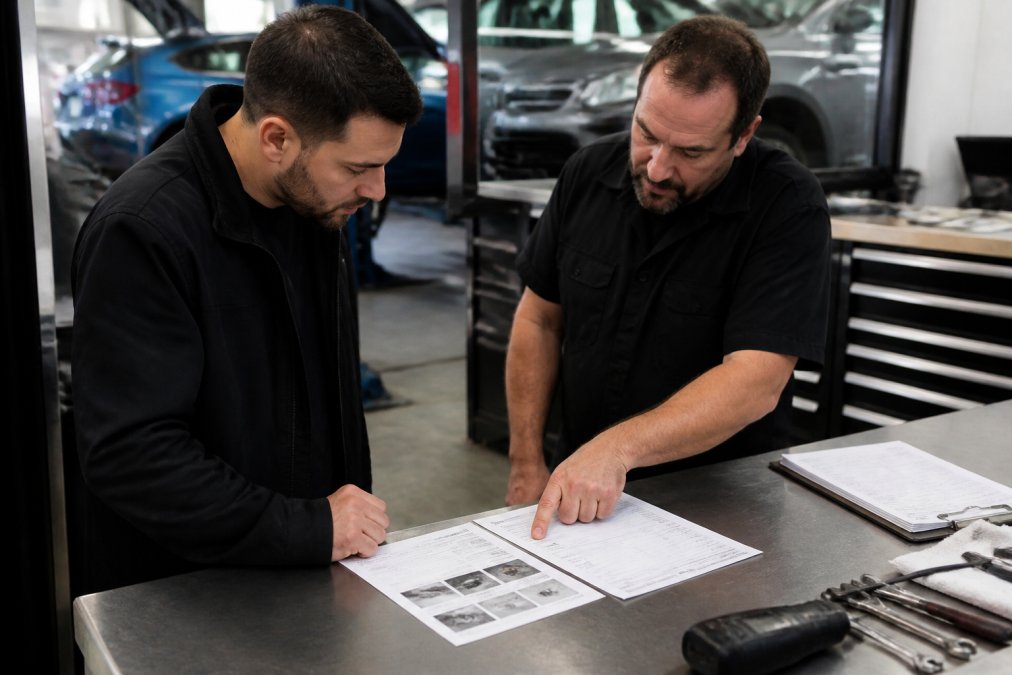
At Speedy Roo Motorsports, we've spent over two decades helping Toyota owners make this exact decision. Our team specializes in Japanese automobiles and can provide a comprehensive diagnostic inspection that reveals the true condition of your vehicle. We offer transparent communication about what repairs are essential, what can wait, and what signs suggest your vehicle is approaching the end of its service life.
If you're in the Aurora area and facing this decision, contact Speedy Roo Motorsports for a detailed vehicle inspection. Our technicians will assess your Toyota's engine condition, transmission health, suspension integrity, and overall reliability. We provide honest estimates so you can make a decision based on facts, not fear.
Frequently Asked Questions
Q: What is the 50% rule for car repairs?
A: The 50% rule suggests that if repair costs exceed 50% of your high mileage Toyota's current market value, replacement may be more economical. For example, if your vehicle is worth $8,000 and repairs cost $4,000 or more, buying a replacement becomes financially competitive. This threshold helps owners avoid pouring money into vehicles approaching end-of-life, though individual circumstances like maintenance history and remaining service life vary.
Q: How many miles is too high for a used Toyota?
A: Toyotas are known for durability and can reliably operate beyond 150,000 miles with proper maintenance. However, vehicles above 200,000 miles face increased mechanical failure risk and higher repair frequency. The threshold depends on maintenance history, driving conditions, and specific model. A well-maintained high mileage Toyota with comprehensive service records may be worth keeping longer than a neglected vehicle with fewer miles.
Q: What are the most common failures in high-mileage Toyotas?
A: Timing belt replacement typically occurs around 100,000 miles and is critical to prevent engine damage. Transmission fluid degradation affects shift quality and longevity. Suspension components like struts and bushings wear from road use. Rust corrosion accelerates on older vehicles, particularly undercarriage and frame areas. Engine compression loss and valve cover gasket leaks become more common. Regular preventative maintenance addressing fluid degradation and scheduled maintenance significantly extends service life and reduces unexpected mechanical failure.
Q: Should I buy an extended warranty for my high-mileage Toyota?
A: Extended warranties like Toyota's Vehicle Service Agreement can provide peace of mind by covering major components after factory warranty expires. They typically range from powertrain-only protection to comprehensive coverage including roadside assistance. For owners planning long-term ownership of high-mileage vehicles, warranties reduce capital investment risk from unexpected repairs. Compare warranty costs against your vehicle's residual value and anticipated repair frequency to determine true cost-benefit value.
The best time to make this decision is before an emergency repair forces your hand. Get a comprehensive diagnostic inspection, understand the true cost of ownership, and choose the path that aligns with your budget and timeline. That's how you avoid costly mistakes and keep your Toyota running reliably for years to come.