 ultimate-guide
How to Maintain Your Toyota for Better Resale Value in 2026
Table of Contents
- Why Your Maintenance Habits Decide Your Toyota's Resale Value
- Your Toyota Maintenance Schedule Checklist: Follow This or Lose Value
- The Importance of Service Records for Car Resale: Build a Verifiable History
- OEM vs Aftermarket Parts for Resale Value: What a Buyer's Appraiser Sees
- How to Keep Car Interior in Mint Condition: The Cabin Sells the Car
- Exterior Protection and Cosmetic Repairs That Pay Off
- Common Mistakes Owners Make That Kill Resale Value
- Your Pre-Sale Preparation Checklist: Final Steps Before Listing
- Frequently Asked Questions
Last Updated: September 8, 2026
Why Your Maintenance Habits Decide Your Toyota's Resale Value
A Toyota's reputation for reliability is its biggest selling point, but that reputation is only as strong as the evidence you keep. The gap between a well-documented example and a neglected one can represent thousands of dollars at trade-in time. Learning how to maintain your toyota for better resale value is about consistent, verifiable care that tells a buyer the vehicle was a safe investment.
At Speedy Roo Motorsports, we have spent over two decades servicing Japanese automobiles in the Denver Metro area and see the direct link between upkeep and resale outcomes daily. A complete service history signals low risk to buyers, while gaps raise questions about hidden problems. Below, we show you how to build that trust through a practical maintenance routine, organized documentation, and smart choices that pay off when you sell.
Your Toyota Maintenance Schedule Checklist: Follow This or Lose Value
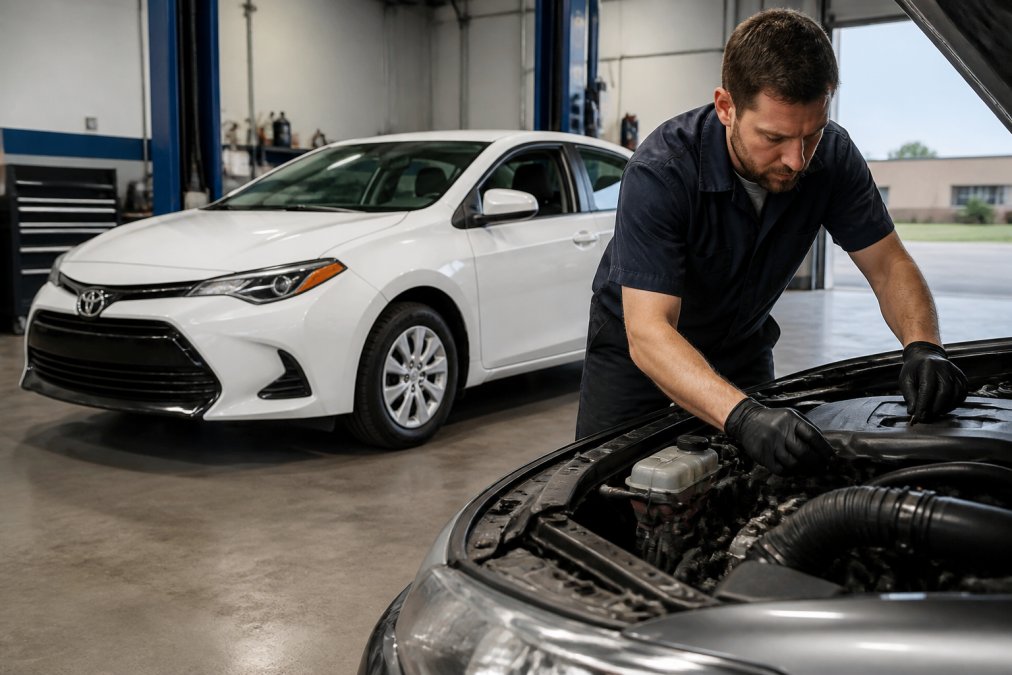
The foundation of how to maintain your toyota for better resale value is adhering to the factory-recommended intervals in your owner's manual. This Toyota maintenance schedule checklist is your roadmap; following it consistently preserves vehicle condition and demonstrates responsible ownership.
The Non-Negotiable Fluid and Filter Intervals
Regular oil changes are the lifeblood of your engine, but many owners overlook other critical fluids. Brake fluid, coolant, and transmission fluid should be flushed at recommended intervals; neglecting them allows contamination to damage internal components that a mechanic can spot during a pre-purchase appraisal. Filter changes, including engine air and cabin filters, are inexpensive and show attention to detail.
Mileage Milestones That Buyers Check First
Buyers and appraisers focus on major service milestones. Timing belt or serpentine belt replacement, spark plug changes, and suspension service at higher mileages are key indicators of preventative maintenance. A vehicle reaching 100,000 miles with documented proof of these services is far more attractive than one where the owner deferred them.
The Importance of Service Records for Car Resale: Build a Verifiable History
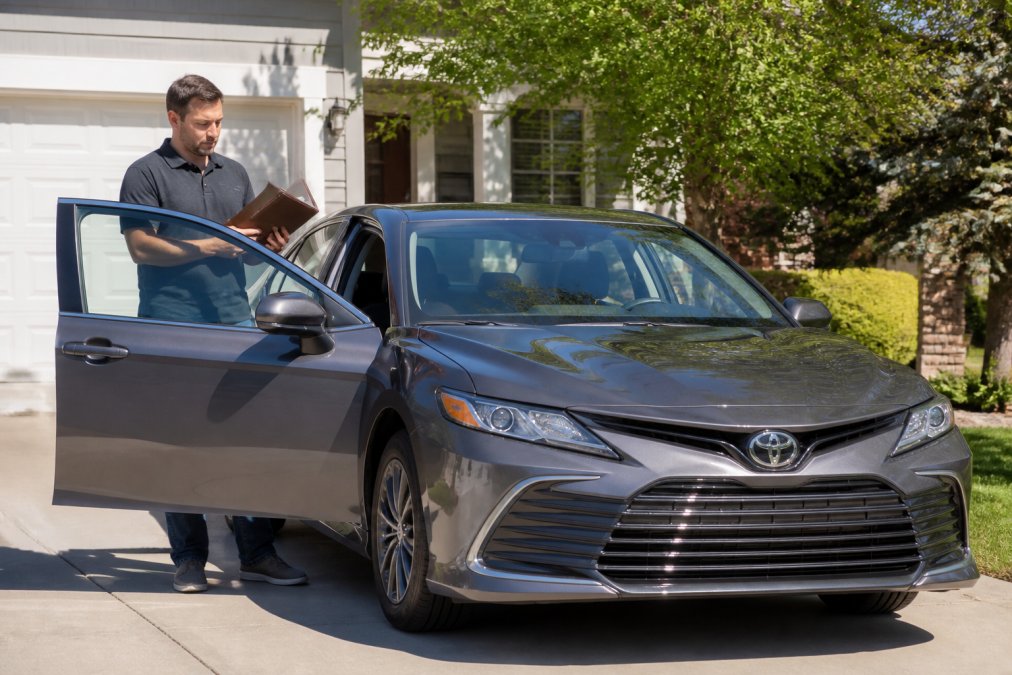
A car with a documented past is easier to sell and commands a higher price. The importance of service records for car resale cannot be overstated; they are the physical proof that transforms your word about the car's condition into verifiable fact.
Going Digital: Apps That Keep Your History Organized
You do not need a physical binder to track maintenance. Smartphone apps and digital platforms let you log every service, upload receipts, and set reminders for future intervals. This prevents lost paperwork and creates a professional, shareable report for buyers, while helping you track recurring costs and plan for upcoming maintenance.
OEM vs Aftermarket Parts for Resale Value: What a Buyer's Appraiser Sees
When a component needs replacement, the choice between OEM and aftermarket parts can influence a buyer's perception. Original equipment manufacturer (OEM) parts are identical to what came from the factory, ensuring a perfect fit and performance. Aftermarket parts are often cheaper, but their quality varies widely, and a buyer's appraiser may view them as a cost-cutting measure that compromises long-term reliability.
Using genuine OEM parts, especially for critical systems like brakes and suspension, reinforces the narrative that the car was maintained to a high standard. Keeping receipts that show OEM parts were used adds credibility to your service records and helps justify a higher resale value.
How to Keep Car Interior in Mint Condition: The Cabin Sells the Car
The interior is where a buyer forms their first lasting impression. A clean, well-preserved cabin suggests the car was cared for, while a worn or dirty interior raises questions about overall maintenance. Learning how to keep car interior in mint condition is a process of prevention and regular cleaning.
Protect upholstery from sun damage and spills with seat covers or shade parking. Regularly vacuum carpets and seats to prevent dirt from grinding into fibers, and use appropriate cleaners on dashboards and trim to prevent cracking. Address stains immediately. A car that smells fresh and looks new inside tells a story of an owner who paid attention to every detail, making it easier to command a premium price.
Exterior Protection and Cosmetic Repairs That Pay Off
Paint protection is your first line of defense against the elements. Regular washing and waxing keep the car looking great and protect the clear coat from environmental contaminants. Addressing minor cosmetic repairs promptly is equally important; a small windshield chip can quickly become a large crack, and a door ding left unattended can lead to rust. luxury car maintenance tips.
Rust is a primary value killer. Once it takes hold, it spreads and signals potential structural issues. Fixing paint chips and scratches early prevents corrosion and is far less expensive than bodywork later. This proactive approach preserves the vehicle's appearance and structural integrity, both critical in an appraisal.
Common Mistakes Owners Make That Kill Resale Value
Several well-intentioned habits can quietly erode your Toyota's trade-in or private-party value. Beyond skipping oil changes, the most costly errors stem from misunderstanding what the broadest pool of buyers wants: a stock, predictable, and verifiably reliable car. Here are the specific mistakes appraisers and experienced buyers notice immediately.
The Aftermarket Modification Trap: Why 'Upgrades' Can Be Downgrades
Owners often invest in personalization, only to discover it shrinks their buyer pool at resale time. While a lift kit, custom exhaust, or window tint might have suited your taste, they signal potential risk to a mainstream buyer and a professional appraiser.
- Window Tint: Non-factory tint that is darker than your state's legal limit is a guaranteed fail on a pre-purchase inspection in many areas (tintlaws.com). A buyer will factor in the $100-$200 cost and hassle of removal and legal re-tinting, which directly reduces the amount they are willing to pay.
- Suspension Lifts and Lowering Kits: These modifications alter the vehicle's center of gravity and can accelerate wear on ball joints, tie rod ends, and CV axles. An appraiser will note the non-standard geometry, and a savvy buyer will worry about the alignment history and potential for premature tire wear.
- Cold-Air Intakes and Exhaust Systems: These are frequently installed without a proper engine tune. This can lead to a check-engine light caused by an unmetered air leak or an improper air-fuel ratio. A buyer scanning the OBD-II port for codes will see a history of misfires or lean conditions, which is a major red flag for engine health.
- Aftermarket Wheels: Oversized wheels with low-profile tires can negatively impact ride quality and fuel economy. More critically, they often require spacers or fender modifications, which can be viewed as structural alterations. Keeping the original wheels and tires to include in the sale is a far better strategy.
The most effective approach is to return the vehicle to as close to factory stock as possible before listing it. Source the original parts and reinstall them. This single step opens your car to a much larger pool of buyers and prevents lowball offers from enthusiasts who see the mods as a liability.
Seasonal Maintenance: The Silent Value Killer in Salt-Belt States
Skipping seasonal preparation is another frequent error with a direct, visible impact on resale value, especially in regions that use road salt. The issue is preventing the accelerated corrosion that appraisers will find when they put the car on a lift.
- Underbody Rust: Road salt and calcium chloride are highly corrosive to steel suspension components, brake lines, and the exhaust system (dot.gov). A car that has spent several winters without an underbody wash will develop surface rust that can quickly become structural. A buyer's mechanic will spot this immediately, and it is often a deal-breaker.
- The Prevention: The most effective countermeasure is a proactive routine. This includes a dedicated underbody spray at a touchless car wash every two weeks during the winter months, focusing on the wheel wells and frame rails. Additionally, applying a lanolin-based rust inhibitor (like Fluid Film or Woolwax) to the underbody in the fall creates a sacrificial barrier that neutralizes salt contact. This is a $100-$150 annual investment that can prevent thousands of dollars in depreciation.
- The Visible Damage: Beyond the undercarriage, salt also attacks paint. Tiny chips on the hood and fenders will quickly turn into rust spots if not addressed before winter. A simple paint touch-up pen applied to chips in the fall is a low-cost way to prevent corrosion from taking hold.
By avoiding these two major categories of mistakes, non-OEM modifications and seasonal neglect, you protect the vehicle's integrity and ensure it appeals to the largest possible audience of buyers looking for a clean, unmodified, well-preserved used Toyota.
Your Pre-Sale Preparation Checklist: Final Steps Before Listing
Before you list your Toyota, a final round of strategic attention ensures you present it in the best possible light. This pre-sale preparation checklist goes beyond a simple wash and covers details that make a lasting impression, and a tangible difference in your final sale price.
The Detailing Decision: DIY vs. Professional ROI
A thorough detail is non-negotiable, but the choice between DIY and professional is a direct cost-benefit analysis that depends on your car's condition and your skill level.
- The DIY Route (Cost: $50-$100 in supplies): This is the right choice if your car is in good condition and you have the time and tools. The key is to focus on the high-impact areas that buyers touch and see first. This includes a meticulous interior vacuum and wipe-down of all plastics and leather, a thorough wash and dry, and a single-step hand-applied paint sealant or spray wax. The most critical DIY step is cleaning the engine bay, a dirty, greasy engine suggests poor maintenance, while a clean one suggests care. Use a degreaser, a gentle rinse, and a plastic dressing to make it look factory-fresh.
- The Professional Route (Cost: $150-$400+): This is a worthwhile investment if your car has noticeable swirl marks, light scratches, or interior stains that you cannot remove yourself. A professional will perform paint correction (machine polishing) to remove those imperfections, which dramatically improves gloss and removes the 'hazy' look that ages a car. They also have the tools to extract deep stains from carpets and upholstery. The return on investment is clear: a $300 detail can add $500-$1,000 to your asking price by moving the car from 'good' condition to 'excellent' condition in the eyes of a buyer.
- The 'Good Enough' Trap: Avoid the middle ground of a $50 drive-through car wash and a quick vacuum. This often leaves water spots, does not address interior dust in crevices, and fails to remove the odors that linger in the headliner. A buyer will notice this lack of effort and may assume the mechanical maintenance was equally half-hearted.
The Documentation Folder: More Than Just a Receipt Pile
Gathering your documentation is more than putting papers in a folder; it is about creating a compelling narrative of ownership that justifies your price. The way you present this information signals your level of care.
- Create a Summary Sheet: The first page should be a one-page summary you create yourself. List the year, model, VIN (last 8 digits), current mileage, and a chronological list of major services (e.g., '60,000-mile service at 58,400 miles - Speedy Roo Motorsports'). This gives a buyer an instant overview without having to dig through a stack of receipts.
- Organize Chronologically: Do not just throw receipts in a glovebox. Place them in a clear plastic sleeve folder in reverse chronological order (newest first). This makes it easy for a buyer or appraiser to verify the most recent work.
- Include the 'Why': For any major repair, write a brief note on the receipt or a separate index card explaining the context. For example, 'Replaced both front CV axles due to clicking noise during acceleration. Used OEM parts.' This preempts questions and demonstrates that you understood the issue and fixed it properly, rather than just throwing parts at a problem.
- The Digital Backup: Before the buyer arrives, take a photo or scan of every receipt and upload it to a cloud drive. Create a single PDF file of the entire history. You can then email this PDF to a serious buyer immediately after a test drive. This level of organization is rare and instantly builds trust.
The Final Walkthrough: The 15-Minute Checklist
Before the buyer arrives, do a final 15-minute pass to catch small things that can derail a sale.
- Check All Fluids: Ensure the oil, coolant, and washer fluid are topped off. A low fluid level is an immediate red flag.
- Tire Pressure: Set all four tires to the pressure listed on the driver's side door jamb sticker (nhtsa.gov). An under-inflated tire looks neglected.
- Clear the Cabin: Remove all personal items, including garage door openers, phone mounts, and trash. A completely empty cabin makes the car feel larger and cleaner.
- Clean the Glass: Use a dedicated glass cleaner on the inside and outside of all windows. Smudged glass is a surprisingly common turn-off.
- The 'Sniff Test': Do not mask odors with heavy air fresheners. Instead, ensure the cabin smells clean and neutral. If there is a lingering smell, use an enzyme-based cleaner on the source (often the carpet or upholstery) a few days before the showing.
Taking these final steps signals that the car has been loved and is ready for its next owner, making the sale smoother and more profitable. This effort is a direct investment in the final sale price.
Frequently Asked Questions
Does following the Toyota maintenance schedule increase resale value?
Yes. A Toyota with a complete maintenance history following the manufacturer's intervals signals low risk to buyers and appraisers. It proves the vehicle was cared for proactively, preventing major mechanical issues. This documented diligence directly supports a higher resale value because the next owner can trust the car's condition without needing a costly inspection to uncover hidden neglect.
How do service records impact the resale value of a Toyota?
Service records are the most persuasive evidence of a well-maintained vehicle. They verify that oil changes, tire rotations, and major services happened on time. A documented history reduces buyer uncertainty, allowing you to command a higher price. Without records, buyers assume the worst and will use the lack of proof to negotiate a significantly lower offer.
Does using OEM parts affect my Toyota's resale value?
Yes, using OEM parts supports a higher resale value. Buyers and appraisers view genuine Toyota components as a guarantee of proper fit and original performance. Aftermarket parts, especially for engine or suspension components, can raise questions about repair quality and potentially lower offers. Sticking with OEM parts simplifies the vehicle appraisal and strengthens your negotiating position.
What is the 30-60-90 maintenance rule for Toyota vehicles?
The 30-60-90 rule is a simplified maintenance interval plan. It refers to performing specific services every 30,000, 60,000, and 90,000 miles. At 30k, you typically replace filters and fluids. At 60k, you add spark plugs and inspect the serpentine belt. At 90k, you address major items like the timing belt or coolant system. Following this schedule prevents costly breakdowns and preserves long-term reliability.