 blog
blog
Is Honda Civic 90K Mile Service Worth It?
Table of Contents
- What's Included in the 90,000-Mile Service
- Honda Maintenance Schedule by Mileage
- Essential vs. Recommended Car Maintenance at 90K Miles
- Average Cost of 90K Mile Service
- Maintenance Minder vs. Fixed Mileage Intervals
- Spotting Padding in Service Quotes
- DIY vs. Professional Service: What Makes Sense
- Long-Term Reliability: Does the 90K Service Pay Off?
- Frequently Asked Questions
Last Updated: August 24, 2026
What's Included in the 90,000-Mile Service
The 90k mile service is a critical maintenance checkpoint for Honda Civics. At this mileage interval, your vehicle has accumulated significant wear on multiple systems, and Honda's factory-recommended maintenance schedule calls for a comprehensive evaluation and targeted replacements to prevent mechanical failure.
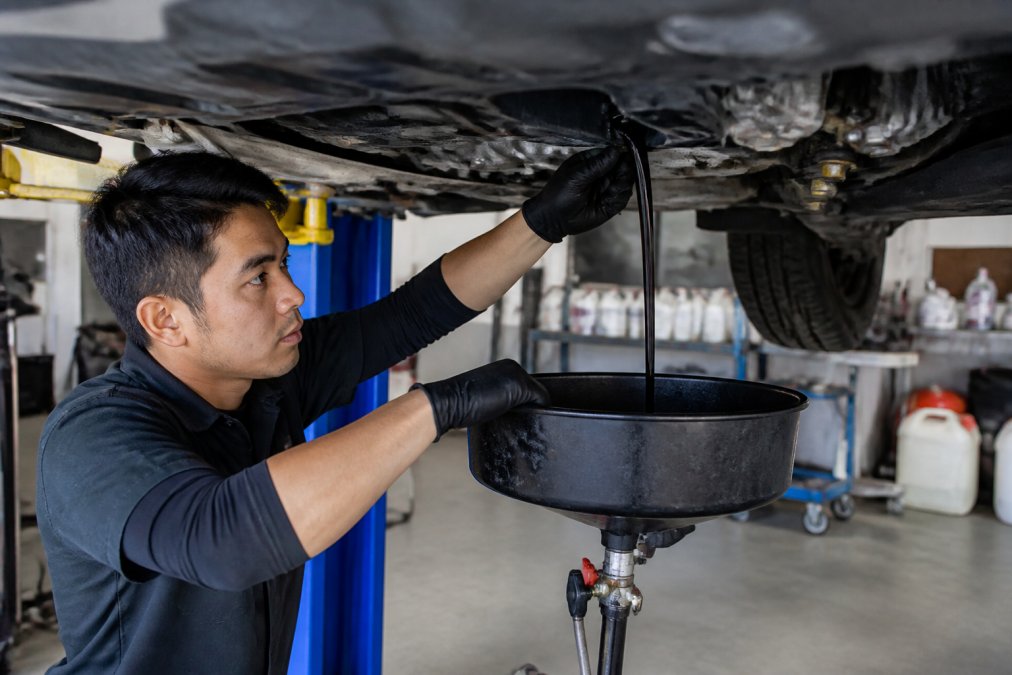
Most dealerships and independent shops structure the 90k service around several core components: engine oil and filter replacement, tire rotation and pressure check, and brake system inspection. At 90k, brake pads often approach their wear limits, making inspection critical.
Factory-Recommended Maintenance Items
Honda's factory maintenance schedule specifies fluid level checks and top-offs for coolant, transmission fluid, brake fluid, and power steering fluid. Air filter and cabin air filter replacement are also standard, as clogged filters reduce fuel efficiency and HVAC performance.
The timing belt deserves special mention. Depending on your Civic's model year and engine type, the timing belt may be due at 90k miles or later (typically 105k-110k) (honda.com). Some Civics have timing chains that last the vehicle's life. Replacing a timing belt before failure is essential; a broken timing belt causes catastrophic engine damage costing thousands in repairs. Consult your owner's manual for your specific engine's interval.
Spark plugs often fall into a gray area at 90k. Older Civics might need replacement; newer models with extended-life plugs may not. Your owner's manual specifies the correct interval.
Optional vs. Essential Work
Essential work keeps your vehicle reliable and safe. Optional work addresses wear items that aren't yet critical but could become problems soon.
Brake pad replacement is essential if pads measure below manufacturer thickness (usually 2-3mm remaining). Transmission fluid flush, suspension component inspection, and drive belt replacement fall into a gray zone, legitimate maintenance items but not all equally urgent at 90k miles.
Honda Maintenance Schedule by Mileage
Understanding where 90k fits into your Civic's overall maintenance timeline provides context for the work involved. At 15k miles, your first major service includes an oil change and inspection of brake pads, fluid levels, and suspension. By 30k miles, another oil change cycle and spark plug inspection (depending on model year) are typical.
The 60k-mile mark introduces transmission fluid service for some models, along with brake fluid evaluation. At 90k, you're addressing accumulated wear from the previous 30k miles. The 105k mark is when timing belt replacement typically occurs (if applicable). By 120k miles, transmission fluid service may be due again, along with continued maintenance of brakes, suspension, and fluids.
The 90k service sits at a transition point. It's substantial enough to catch problems before they become expensive failures. Skipping critical items creates risk for the next 30k miles of driving.
Essential vs. Recommended Car Maintenance at 90K Miles
Essential maintenance addresses systems critical to safe operation and reliability. Brake pad replacement when worn, engine oil and filter replacement, tire rotation, and coolant level checks directly prevent safety risks or mechanical failure.
Recommended maintenance extends component life or prevents future problems. Transmission fluid flush, drive belt replacement, and suspension component replacement optimize performance and longevity but aren't immediately dangerous if deferred.
A 90k service addressing only essential items costs less than one bundling recommended work. A service addressing both ensures your vehicle enters the next 30k miles in optimal condition.
Average Cost of 90K Mile Service
Cost varies significantly based on what's included, your shop choice, and your vehicle's condition. A basic 90k service covering essential items costs less than a comprehensive service adding transmission fluid flush, spark plug replacement, and suspension evaluation.
Request an itemized quote before authorizing work. You should see line items for each service, parts costs, and labor hours. When comparing quotes, watch for shops that bundle services without itemization. Reputable shops provide detailed estimates that let you see every component.
Maintenance Minder vs. Fixed Mileage Intervals
Honda's Maintenance Minder system monitors engine parameters and driving conditions to determine when service is needed, rather than relying on fixed mileage intervals alone. Service codes like "A1" or "B2" indicate what service is due. engine repair costs.
The advantage is flexibility. Highway driving causes less engine stress than stop-and-go traffic, and Maintenance Minder adjusts intervals accordingly. However, certain services become due at 90k miles regardless of driving patterns, including timing belt inspection, transmission fluid service, and spark plug evaluation.
Follow Maintenance Minder codes when they appear, but don't ignore the 90k interval as a checkpoint. Have a technician perform a comprehensive inspection at 90k to ensure nothing critical has been missed.
Spotting Padding in Service Quotes
Not all shops add unnecessary work, but some do. Common padding tactics include recommending services significantly earlier than factory intervals suggest. Your owner's manual specifies when timing belt replacement is due, typically 105k-110k miles. A shop recommending it at 90k is jumping the gun.
Another tactic is recommending "preventative" replacements for components showing normal wear but not yet problematic. The key distinction: is the recommended work addressing a problem identified during inspection, or is it a blanket recommendation applied to every 90k service?
Request the inspection report. A legitimate shop documents what they actually found during their multi-point inspection. Vague recommendations without inspection documentation are red flags. Compare quotes from multiple shops; significant price differences often reveal padding.
DIY vs. Professional Service: What Makes Sense
Some 90k service items are DIY-friendly: oil and filter changes, tire rotations, air filter replacement, and fluid level checks. However, brake system inspection, transmission fluid service, and timing belt inspection require professional equipment or expertise.
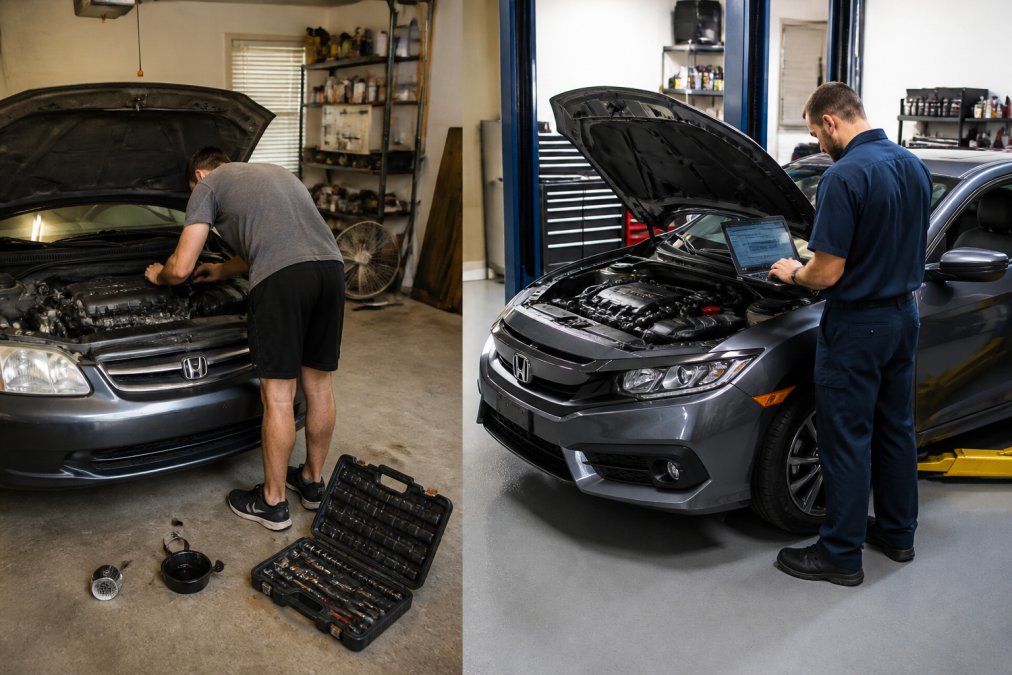
A hybrid approach works best for most owners. Handle routine items like oil changes yourself if capable, and have professionals handle brake work, transmission service, and timing belt inspection. This balances cost savings with the safety and expertise professional work provides.
Long-Term Reliability: Does the 90K Service Pay Off?
The 90k service is an investment in prevention. Addressing wear items before they fail prevents more expensive repairs. Replacing brake pads at 90k costs less than replacing pads and rotors at 120k when worn pads have damaged the rotor.
Vehicles that receive consistent, timely maintenance experience fewer breakdowns and last longer than vehicles with deferred maintenance (the CDC). A Civic receiving proper 90k service and continuing with recommended maintenance typically reaches 200k+ miles with minimal unexpected repairs (peer-reviewed research). Maintenance records also add resale value.
The 90k service is worth it if you plan to keep your Civic beyond 150k miles or care about resale value. For owners committed to long-term reliability and lower total ownership costs, it's absolutely worth it.
The 90k mile service represents a critical intersection between maintenance necessity and cost management. Essential items, brake inspection, oil change, fluid checks, and tire rotation, are non-negotiable for safety and reliability. Optional items can wait if budget is tight.
The real value of the 90k service is the comprehensive inspection it provides. A thorough technician identifies wear patterns, developing problems, and components approaching end-of-life. This information lets you make informed decisions about what needs immediate attention and what can wait. If your Civic needs professional 90k service work, Speedy Roo Motorsports specializes in Honda maintenance with transparent pricing, detailed inspections, and technicians who distinguish between essential and optional work. Contact us for an itemized estimate that shows exactly what your Civic needs at this critical mileage milestone.
Frequently Asked Questions
Is the 90,000-mile service necessary for a Honda Civic?
Yes. Honda's factory-recommended maintenance schedule calls for specific work at 90,000 miles, including transmission fluid exchange, spark plug replacement, and brake system inspection. Skipping this service risks mechanical failure, reduced reliability, and potential warranty issues. Regular preventative maintenance at these intervals is designed to catch wear and tear before it becomes expensive.
What's the average cost of a 90k mile service?
Costs vary significantly based on whether you choose a dealership or independent mechanic, and which items are truly needed versus recommended. Dealership pricing tends to be higher than independent shops. For accurate pricing on your specific vehicle, contact your service provider directly for a detailed estimate. Speedy Roo Motorsports can provide a transparent quote after reviewing your vehicle's condition.
Can I skip the 90k mile service if my car feels fine?
Feeling fine doesn't mean the car is in good condition mechanically. Timing belt wear, transmission fluid degradation, and brake pad thickness aren't obvious until failure occurs. Factory-recommended service intervals exist because Honda's engineering data shows these components need attention at specific mileages to prevent costly damage. Skipping it risks breakdowns and expensive repairs later.
Should I go to the dealership or an independent mechanic for 90k service?
Independent mechanics experienced with Honda vehicles often provide the same quality work at lower labor costs. The key is finding a shop with genuine expertise in Honda maintenance and transparent communication about what's actually needed. Dealerships have access to factory service bulletins, but independent shops with two decades of Honda experience can deliver equally reliable results with better value.