 listicle
Common Issues With Older Lexus: Complete Owner's Guide
Table of Contents
- Transmission Problems in Older Lexus Models
- Dashboard Melting, Cracking, and Sticky Issues
- Engine Problems: Oil Leaks, Carbon Buildup, and Sludge
- Water Pump Failures and Cooling System Leaks
- Suspension Wear: Bushings, Struts, and Alignment Issues
- Brake System Failures and Actuator Problems
- Air Conditioning Malfunctions in Older Lexus Vehicles
- Frequently Asked Questions
Common Issues With Older Lexus: Complete Owner's Guide
Last Updated: July 25, 2026
When it comes to common issues with older Lexus vehicles, owners often face problems ranging from minor annoyances to serious mechanical failures. At Speedy Roo Motorsports, we've spent over two decades diagnosing and repairing Japanese automobiles, including countless Lexus models across multiple generations. Understanding these common issues is essential whether you're considering a used purchase or maintaining one you already own.
Older Lexus vehicles earned their reputation for reliability, but age and mileage inevitably expose weaknesses. The transmission hesitation at 80,000 miles, the sticky dashboard at 100,000, the water pump that fails without warning, these are predictable maintenance points. The difference between a Lexus that lasts 300,000 miles and one that becomes expensive often comes down to catching these issues early.
Transmission Problems in Older Lexus Models
Transmission issues represent some of the most costly repairs in older Lexus vehicles, particularly in models from the 2000s through early 2010s. The automatic transmissions in ES, RX, and LS models occasionally develop hesitation, shudder, or delayed engagement that signals internal wear.
Hesitation and Shudder During Acceleration
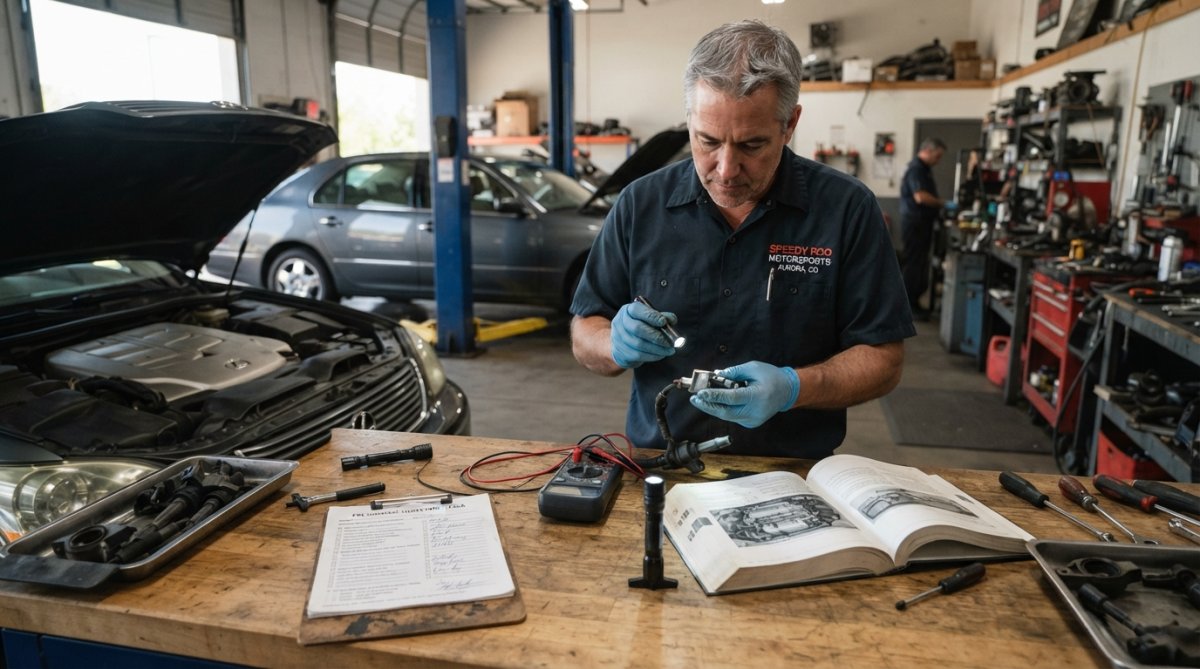
When your older Lexus hesitates before shifting or shudders during acceleration, the transmission fluid and filter are usually the culprits. Over time, transmission fluid degrades and loses its ability to maintain proper hydraulic pressure. Contaminated fluid causes the transmission to struggle with shift timing, resulting in hesitation between gears or vibration through the steering wheel.
A transmission fluid and filter service often resolves this issue completely, especially if caught early. The cost difference is substantial: a fluid service runs a few hundred dollars, while ignoring the warning signs can lead to internal damage requiring complete transmission replacement at $3,000 to $4,500.
Toyota transmission maintenance guide
Transmission Fluid Leaks and Degradation
Transmission pans develop small leaks as seals age and gaskets harden. You might notice reddish fluid under your Lexus after parking or low fluid levels on the dipstick. These leaks start small but accelerate as the pan gasket deteriorates.
Low transmission fluid causes hesitation and shudder symptoms. Unlike engine oil, you can't simply top off transmission fluid, the underlying leak needs to be addressed. A pan gasket replacement typically costs $300 to $600, catching the leak at the small-drip stage prevents catastrophic failure when transmission runs dry.
| Problem | Early Signs | Repair Cost | Prevention |
|---|---|---|---|
| Transmission fluid degradation | Hesitation, slight shudder | $200-400 fluid service | Fluid change every 60,000 miles |
| Pan gasket leak | Red fluid spots, low dipstick | $300-600 | Regular inspections |
| Internal wear | Delayed engagement, harsh shifts | $3,000-4,500 rebuild | Timely fluid services |
Dashboard Melting, Cracking, and Sticky Issues
The dashboard is one of the most visible problems in older Lexus vehicles, particularly in models from 2000-2010. The plastic material becomes soft and sticky as it ages, especially in vehicles exposed to intense sun. The sticky residue transfers to your hands, and the degraded plastic eventually cracks and peels. The problem worsens in hot climates and affects RX 300/330/350 models particularly severely.
Replacing the dashboard is expensive, typically $1,500 to $2,500 in labor and parts. Some owners use dashboard covers as a temporary solution, though these don't fully address the underlying material breakdown.
For pre-purchase inspections, always check the dashboard texture by running your hand across it. A sticky or tacky feeling indicates advanced deterioration.
Engine Problems: Oil Leaks, Carbon Buildup, and Sludge
The engines in older Lexus vehicles are generally strong, but they develop specific problems related to seals, gaskets, and internal deposits.
2GR-FE and 3MZ-FE Engine Concerns
The 2GR-FE engine is known for valve cover gasket leaks that develop around 80,000 to 120,000 miles. You'll notice a slight oil smell around the engine bay or small drops of oil on the ground. The valve cover gasket replacement is straightforward, typically $200 to $400 in labor, but signals that other rubber seals are aging.
The 3MZ-FE engine, found in earlier RX 330 and RX 350 models, has a reputation for developing carbon deposits and occasional sludge buildup. This engine runs hotter than the 2GR-FE, which accelerates oil degradation if maintenance intervals are extended.
Direct Injection Carbon Accumulation
Models from 2006 onward with direct-injection engines can accumulate carbon deposits on intake valves, causing rough idle, hesitation during acceleration, and reduced fuel economy. Unlike port-injection engines where fuel spray cleans the valves, direct injection sprays fuel directly into the cylinder, allowing carbon to accumulate. A professional fuel system cleaning typically costs $150 to $300.
Engine carbon buildup prevention guide
The best prevention is using high-quality fuel with detergents and following the manufacturer's recommended oil change intervals. Synthetic oil lasts longer and leaves fewer deposits than conventional oil.
Water Pump Failures and Cooling System Leaks
Water pump failure is one of the most common reasons older Lexus vehicles end up at the repair shop. The water pump typically lasts 100,000 to 150,000 miles, but failure can happen earlier if coolant hasn't been maintained properly.
A failing water pump usually announces itself with a high-pitched whining noise from the front of the engine. If you ignore the noise, the seal fails completely and coolant leaks into the engine, leading to overheating and potential cylinder head warping. A water pump replacement caught early costs $400 to $800. Ignoring the warning signs can result in engine damage requiring $2,000 to $5,000 in repairs.
Cooling system maintenance for Toyota and Lexus vehicles
Suspension Wear: Bushings, Struts, and Alignment Issues
Suspension problems develop gradually in older Lexus vehicles. The suspension bushings harden and crack over time, struts lose their damping ability, and the overall suspension becomes less responsive. Common symptoms include clunking noises over bumps, excessive body roll during cornering, and uneven tire wear.
Suspension work is expensive because it often requires multiple components to be replaced at once. A full suspension refresh can easily exceed $2,000 to $3,500. The key to managing costs is addressing problems early, a $150 inspection can prevent $500 in additional repairs.
Alignment issues often develop alongside suspension wear. As suspension components loosen and wear, wheels gradually move out of alignment, causing uneven tire wear. Regular alignment checks every 12,000 to 15,000 miles catch these issues before they become expensive.
Brake System Failures and Actuator Problems
The brake system in older Lexus vehicles generally holds up well, but specific components fail predictably. Brake pads wear out every 40,000 to 60,000 miles, and rotors develop glazing and warping.
More serious problems involve the brake actuator, which is part of the anti-lock braking system (ABS). Some Lexus models from the early 2000s have known actuator issues requiring replacement at $800 to $1,200 in parts and labor.
Brake fluid degrades over time and absorbs moisture from the air. Old brake fluid has a lower boiling point and can cause brake fade under heavy braking. Flushing and replacing brake fluid every two to three years prevents this issue and costs only $150 to $250.
Brake system maintenance guide for luxury vehicles
Regular brake inspections catch wear before it becomes dangerous. If you notice soft brake pedal feel, grinding noises, or reduced braking response, have the system inspected immediately.
Air Conditioning Malfunctions in Older Lexus Vehicles
The air conditioning system in older Lexus vehicles often fails gradually. The refrigerant slowly leaks out through aging hose connections and seals, reducing cooling capacity. You might notice the AC doesn't blow as cold or takes longer to reach the desired temperature.
Refrigerant leaks are the most common AC problem. Finding the leak requires specialized equipment and typically costs $150 to $300. Once located, repair costs depend on the component, a hose replacement might cost $200 to $400, while a compressor replacement can exceed $1,000.
The AC compressor typically fails around 100,000 to 150,000 miles. When it fails, the system can't circulate refrigerant and cooling stops completely. Preventative maintenance extends AC system life significantly. Having the system inspected annually and topping off refrigerant if needed costs $100 to $150 but prevents expensive repairs.
The AC system also includes a cabin air filter that collects dust and pollen. A clogged cabin filter reduces airflow and makes the AC work harder. Replacing the cabin air filter costs $40 to $80 and should be done annually in dusty climates.
Older Lexus vehicles reward owners who stay ahead of maintenance. The common issues aren't design flaws, they're predictable wear patterns that can be managed with regular inspections and timely repairs. At Speedy Roo Motorsports, we've helped thousands of Denver-area drivers keep their Lexus vehicles running reliably well beyond 200,000 miles by catching these problems early and addressing them with quality repairs and genuine parts. Contact Speedy Roo Motorsports today for a comprehensive pre-purchase inspection or routine maintenance that keeps your Lexus running strong.
Frequently Asked Questions
What are the most common issues with older Lexus cars?
Older Lexus vehicles frequently experience transmission shuddering, dashboard cracking or stickiness, oil leaks, water pump failures, and suspension wear. Engine carbon buildup in direct-injection models and air conditioning malfunctions are also prevalent. The severity and type of issue often depend on the model year and engine type (2GR-FE vs. 3MZ-FE). Regular maintenance and preventative inspections can help catch these problems early before they become costly repairs.
Which Lexus models should you avoid when buying used?
Certain model years and generations have higher rates of specific problems. The 2001-2006 LS 430 is known for air suspension failures, while some ES and RX models from the 2000s experience transmission issues. The 2006-2013 IS 250 has reported carbon buildup problems in its 4GR-FSE engine. Research the specific year and model before purchasing, and always request a complete service history. A pre-purchase inspection by a trusted independent shop is essential for identifying hidden issues.
How much does it cost to maintain an older Lexus?
Maintenance costs vary significantly based on the model, age, and condition. Routine services like oil changes and filter replacements are affordable, but major repairs, transmission work, water pump replacement, or suspension overhauls, can be expensive. OEM parts from sources like LexusPartsNow or MyLparts are pricier than aftermarket options but ensure proper fit. Independent shops like Speedy Roo Motorsports often charge less than dealerships while maintaining quality. Budget for preventative maintenance to avoid costlier emergency repairs down the road.
Are older Lexus vehicles reliable despite their common issues?
Older Lexus models are generally considered over-engineered and reliable compared to many competitors, but they are not immune to age-related wear. With proper preventative maintenance, regular oil changes, and timely repairs, many Lexus vehicles reach high odometer readings with strong longevity. The key is addressing issues early, catching a transmission fluid leak or suspension bushing wear before they escalate prevents catastrophic failures. A well-maintained older Lexus can provide years of dependable service.
Should I use OEM parts or aftermarket parts for my older Lexus?
OEM parts guarantee perfect fitment and maintain your vehicle's original performance specifications, but they cost more. Aftermarket parts like those from Beck Arnley offer cost savings while meeting OE standards. For critical systems like transmission filters, brakes, and engine components, OEM parts may be worth the investment. For cosmetic items or less critical wear parts, quality aftermarket options work well. Consult with your repair technician about which parts are worth the OEM premium for your specific repair.