 listicle
Common Honda Civic Repair Issues: 2026 Guide
Table of Contents
- What You Need to Know About Honda Civic Repair Issues
- Powertrain Problems: Engine and Transmission Concerns
- Infotainment System and Connectivity Glitches
- Suspension, Tire Wear, and Brake Maintenance
- 2026 Honda Civic Maintenance Schedule and Routine Care
- Average Repair Cost for Honda Civic and Long-Term Ownership Expenses
- How to Check Honda Civic Warranty Coverage and Service Bulletins
- DIY vs. Professional Repair: When to Handle It Yourself
- Frequently Asked Questions
Last Updated: August 15, 2026
What You Need to Know About Honda Civic Repair Issues
Honda Civic owners face a predictable set of problems. At Speedy Roo Motorsports, we've diagnosed thousands of Civics, and certain issues appear far more frequently than others. This guide walks you through the most common Honda Civic repair issues, what causes them, and how to address them before they become expensive failures.
The Civic's reputation for reliability is well-earned, but it's not immune to problems. Engine stalling, transmission hesitation, infotainment glitches, and suspension wear show up repeatedly in our service bay. Some stem from design quirks; others result from deferred maintenance. Understanding these issues upfront changes how you approach ownership, you'll know when to act, when to wait, and when to seek professional help.
Powertrain Problems: Engine and Transmission Concerns
The Civic's powertrain is where most owners encounter their first serious issue. Engine stalling, fuel pump failures, and transmission service needs account for a significant portion of repair visits.
Engine Stalling and Fuel Pump Failures
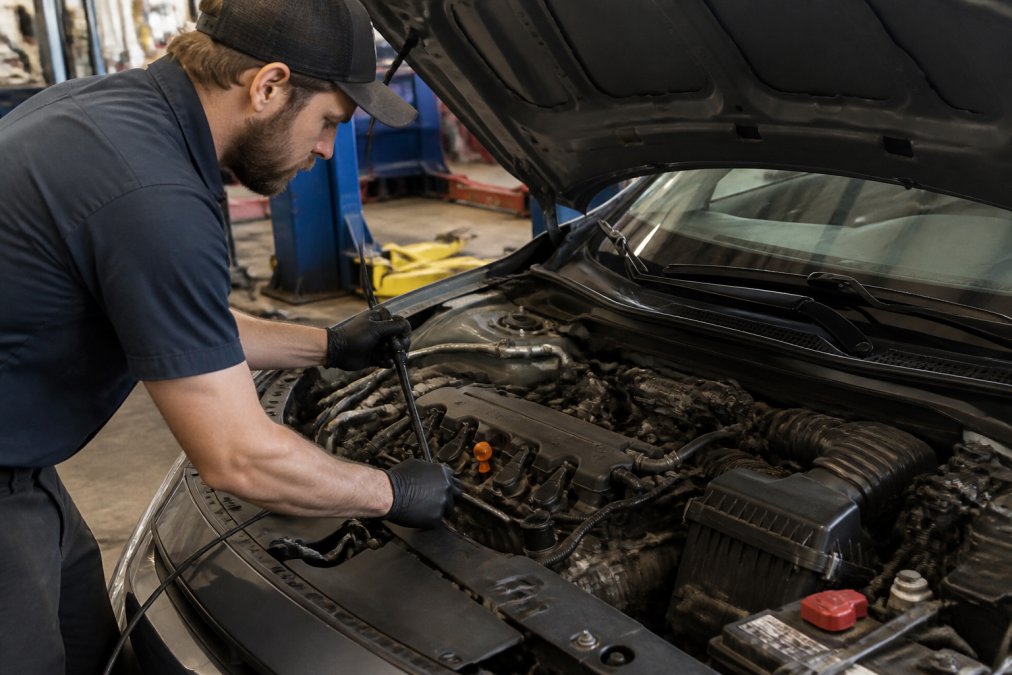
Engine stalling typically shows up as sudden loss of power while driving, often accompanied by a check engine light. The most common culprit is fuel pump failure or a failing fuel pump relay. When the fuel pump begins to fail, the engine doesn't receive consistent fuel pressure, causing it to stall at stoplights or during acceleration.
Fuel pump issues tend to emerge between 80,000 and 120,000 miles. You might notice the car takes longer to start, hesitates during acceleration, or stalls without warning. Diagnosing this requires reading diagnostic trouble codes with an OBD2 scanner like the Autel MaxiCOM MK808S for comprehensive system diagnostics. Fuel pump replacement typically requires dropping the fuel tank, making it labor-intensive.
Another stalling culprit is a failing idle air control valve or vacuum leak. The engine might stall when coming to a stop or hesitate when shifting into gear. A certified technician can identify vacuum leaks by listening for hissing sounds or using smoke testing.
Transmission Service and Performance Issues
Transmission issues on Civics usually manifest as hesitation, rough shifts, or delayed engagement. Most transmission hesitation stems from low or dirty transmission fluid, preventable maintenance. Regular transmission fluid checks and scheduled service intervals keep the transmission functioning smoothly.
Some Civics experience transmission shudder during acceleration. This often resolves by flushing the transmission fluid and refilling with the correct specification. Using Honda-approved transmission fluid is essential; substitutes can cause compatibility issues.
For manual transmission Civics, clutch wear is the primary concern. The clutch feels softer, engagement becomes less predictable, and the car might slip under hard acceleration. Clutch replacement is labor-intensive but straightforward.
Transmission service bulletins exist for certain model years, addressing specific shifting issues or software updates. A technician familiar with Honda service bulletins can identify whether your car qualifies for a covered repair.
Infotainment System and Connectivity Glitches
The Civic's infotainment system has evolved significantly over model years. Common problems include Bluetooth connectivity dropping, the head unit freezing, and the touchscreen becoming unresponsive.
Bluetooth disconnection usually resolves with a factory reset, which clears cached data and forces the system to re-pair with your phone. A frozen head unit typically requires a hard reset by disconnecting the battery for 15 minutes. If freezing persists, a firmware update might be necessary.
Touchscreen unresponsiveness sometimes stems from a loose connection between the head unit and the display. A technician can reseat the connection without replacing hardware. Connectivity issues with smartphone integration often resolve by deleting the paired device and re-pairing it.
Suspension, Tire Wear, and Brake Maintenance
Suspension wear accelerates with age and driving conditions. Civics commonly develop worn struts, worn sway bar links, and premature tire wear. These issues develop gradually, making them easy to miss until handling noticeably deteriorates.
Worn struts cause the car to bounce excessively after hitting bumps. Strut replacement is routine maintenance, typically needed between 80,000 and 100,000 miles. Sway bar links wear out faster on Civics; you'll hear a clunking sound when turning or driving over rough pavement. Replacing sway bar links is affordable and straightforward.
Tire wear patterns reveal suspension problems. If the inner or outer edge wears faster than the center, alignment is off. Regular alignment checks, especially after hitting potholes, prevent accelerated tire wear and suspension damage.
Brake pads wear predictably, and most Civics need replacement every 50,000 to 70,000 miles. Some owners experience brake noise, which usually indicates pad wear or rotor scoring.
2026 Honda Civic Maintenance Schedule and Routine Care
Following the manufacturer's maintenance schedule prevents most major problems. Staying on schedule keeps the Civic running reliably and preserves resale value.
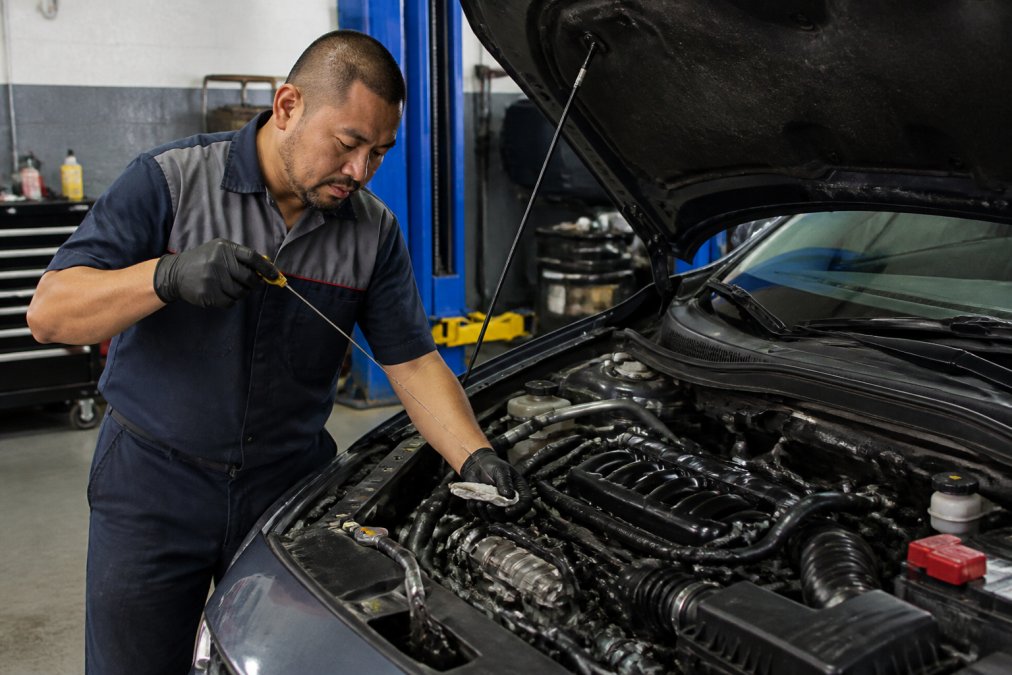
Oil and Filter Changes: Change oil every 10,000 miles or as specified in your owner's manual. A quality oil filter like the FRAM PH7317 spin-on filter for Honda Civic models captures contaminants and protects engine components.
Air Filter Replacement: Replace the engine air filter every 15,000 to 30,000 miles depending on driving conditions. The ECOGARD XA10496 premium engine air filter designed for 2016-2026 Honda Civic 2.0L gas models provides reliable filtration and is easy to replace yourself.
Transmission Fluid Service: Check transmission fluid level monthly and change it every 30,000 to 60,000 miles. Use only Honda-approved transmission fluid.
Coolant Flush: Flush the cooling system every 30,000 miles. Coolant breaks down over time and loses its corrosion-inhibiting properties.
Spark Plug Replacement: Replace spark plugs every 30,000 to 100,000 miles depending on plug type. The NGK Iridium IX spark plugs for improved ignition and fuel efficiency in Honda Civic engines offer longer life and better performance.
Brake Inspection: Inspect brake pads, rotors, and fluid annually. Replace pads before they wear to the rotor.
Tire Rotation and Alignment: Rotate tires every 6,000 to 8,000 miles. Check alignment annually or after hitting significant potholes.
Wiper Blade Replacement: Replace wiper blades every 6 to 12 months. The Bosch ICON wiper blades for all-weather performance and streak-free wiping on Honda Civic windshields provide reliable visibility.
| Maintenance Item | Interval | Frequency | Why It Matters |
|---|---|---|---|
| Oil and filter change | 10,000 miles | Every 10K miles | Protects engine from wear and corrosion |
| Air filter replacement | 15,000-30,000 miles | Every 15K-30K miles | Maintains fuel economy and engine performance |
| Transmission fluid service | 30,000-60,000 miles | Every 30K-60K miles | Prevents shifting problems and internal wear |
| Coolant flush | 30,000 miles | Every 30K miles | Prevents overheating and corrosion |
| Spark plug replacement | 30,000-100,000 miles | Varies by plug type | Ensures reliable ignition and fuel economy |
| Brake inspection | Annual | Every 12 months | Prevents brake failure and extends rotor life |
| Tire rotation | 6,000-8,000 miles | Every 6K-8K miles | Extends tire life and improves handling |
Staying ahead of maintenance prevents the majority of expensive repairs. A neglected oil change leads to engine damage. Skipped transmission service causes transmission failure. Deferred brake maintenance results in rotor damage and longer stopping distances.
Average Repair Cost for Honda Civic and Long-Term Ownership Expenses
Repair costs vary based on whether you use a dealership or an independent shop, your location, and the specific issue. Fuel pump replacement is among the more expensive repairs due to labor. Transmission service is moderately priced for fluid changes but expensive for major repairs.
Infotainment system repairs range from free (software resets) to moderate (touchscreen replacement). Suspension and brake work falls into the moderate range. Long-term ownership costs depend heavily on maintenance discipline. A well-maintained Civic costs significantly less over time than a neglected one.
Speedy Roo Motorsports helps owners understand repair needs and costs upfront. Professional diagnosis identifies actual problems and necessary repairs, allowing you to make informed decisions about your vehicle's care.
How to Check Honda Civic Warranty Coverage and Service Bulletins
Understanding your warranty coverage prevents unexpected repair bills. Honda's factory warranty typically covers 3 years or 36,000 miles, with powertrain coverage extending to 5 years or 60,000 miles.
Service bulletins address known issues affecting specific model years. These bulletins describe problems, diagnostic procedures, and repair procedures. Some bulletins cover repairs under warranty even if the issue wouldn't normally qualify. If you're experiencing an issue that seems common, ask your technician whether a service bulletin exists for your model year.
Recall notices address safety issues, and manufacturers are required to repair them at no cost regardless of warranty status. Check the National Highway Traffic Safety Administration website for any active recalls on your vehicle.
DIY vs. Professional Repair: When to Handle It Yourself
Some Honda Civic repairs are straightforward enough for DIY work. Others require specialized equipment or safety considerations that make professional service the better choice.
DIY-Friendly Repairs:
Oil and filter changes are the most accessible DIY repair. A Haynes repair manual for Honda Civic 2016-2022 models providing detailed instructions and specifications guides you through the process step-by-step.
Air filter replacement requires no tools and takes minutes. Wiper blade replacement is similarly simple. Spark plug replacement is moderately difficult but accessible to owners with basic mechanical aptitude.
Professional-Recommended Repairs:
Fuel pump replacement requires dropping the fuel tank and carries safety risks if done improperly. Transmission service beyond fluid changes should be handled professionally. Suspension work requires proper alignment afterward. Brake work on the hydraulic system requires professional expertise to ensure safety.
Infotainment system repairs typically require professional diagnosis. While software resets are DIY-friendly, hardware issues need specialized equipment. A quality OBD2 scanner like the BlueDriver Bluetooth OBD2 scanner for reading codes and generating repair reports on your smartphone helps you understand what codes your car is throwing, but interpreting those codes requires experience.
Frequently Asked Questions
What are the most common Honda Civic repair issues affecting 2026 models?
2026 Honda Civic owners report issues across multiple systems. Powertrain problems include engine stalling and fuel pump failures. Infotainment systems experience connectivity glitches and head unit resets. Suspension wear and tire mounting issues are common, especially with aggressive driving habits. Transmission service concerns also appear frequently. Many of these issues fall under warranty coverage if caught early. Having diagnostic trouble codes read by a certified technician helps identify problems before they become expensive repairs.
How does the 2026 Honda Civic reliability compare to previous years?
The 2026 Honda Civic maintains solid reliability ratings overall, though specific model years show varying longevity patterns. Routine maintenance directly affects reliability, vehicles with consistent oil changes, transmission service, and preventative care see fewer major repairs. The hybrid variant shows different reliability traits compared to gas models. Software updates and firmware patches have improved infotainment stability compared to earlier generations. Professional inspections from certified technicians help catch issues early, preventing costly breakdowns and extending vehicle performance.
What should I look for during the 2026 Honda Civic warranty period?
Review your warranty documentation carefully, coverage typically includes powertrain, infotainment system defects, and manufacturing flaws. Document any issues immediately and keep service records. Watch for engine stalling, transmission hesitation, or infotainment glitches within the first months of ownership. Request a pre-purchase inspection if buying used. Service bulletins from Honda often address known issues covered under warranty. Contact the dealership or a certified technician to file warranty claims promptly, as delays can affect coverage eligibility.
Should I perform DIY repairs on my Honda Civic or go to a professional?
DIY maintenance like oil changes, air filter replacement, and spark plug swaps are feasible for owners with mechanical aptitude, resources like repair manuals provide step-by-step guidance. However, diagnostic trouble codes, transmission service, fuel system repairs, and infotainment software updates require professional equipment and expertise. Certified technicians have the diagnostic tools, training, and warranty backing that DIY work lacks. For complex issues, professional repair prevents costly mistakes and ensures longevity. Many owners find the balance: handle routine maintenance themselves, outsource complex diagnostics and repairs.
Honda Civic owners face predictable maintenance needs and occasional repairs. The difference between expensive ownership and manageable costs comes down to staying ahead of maintenance and addressing issues before they escalate. When you need professional help, Speedy Roo Motorsports provides experienced diagnosis and repair for Honda Civics and all Japanese automobiles. Contact us for transparent assessment of your vehicle's needs and honest guidance on what repairs matter most.