 listicle
Best Service for Japanese Imports: 2026 Guide
Table of Contents
- Best Service for Japanese Imports: Quick Comparison
- Understanding the 25-Year Import Rule
- Top Dealers and Import Services for JDM Vehicles
- Cost to Import a Car from Japan: Breakdown
- Best JDM Auction Sites and Sourcing
- How to Choose a Reputable Importer
- Post-Import Ownership: Maintenance and Support
- Red Flags and What to Avoid
- Frequently Asked Questions
Last Updated: August 13, 2026
Best Service for Japanese Imports: Quick Comparison
Importing a Japanese vehicle opens access to models unavailable domestically, but requires expertise in sourcing, inspection, customs clearance, and post-import support. This guide examines leading options, from full-service dealers to specialized brokers, so you can choose based on your needs, budget, and vehicle goals. The best services combine transparent pricing, detailed mechanical inspections, and clear regulatory guidance. Below, we compare top services across these dimensions.
Understanding the 25-Year Import Rule
The 25-year rule is the legal foundation enabling many Japanese imports. Vehicles manufactured 25 or more years ago are exempt from certain EPA and DOT regulations, meaning a 1992 Nissan Skyline R32 can legally enter the country without modification. Vehicles under 25 years old face stricter requirements: they must meet current emissions standards, have DOT-compliant safety features, and pass additional testing.
This distinction matters enormously for pricing and availability. A 25-year-old classic might cost $15,000 to $25,000 landed, while a newer model could require $5,000 to $10,000 in compliance modifications just to be legal. Understanding where your target vehicle falls is the first step in choosing the right service. Reputable importers will tell you upfront whether your vehicle qualifies or what modifications are required.
Top Dealers and Import Services for JDM Vehicles
Japanese Classics: Full-Service Reconditioning
Japanese Classics operates a 41,000-square-foot reconditioning facility and sources exclusively from Japan. Every vehicle undergoes a 205-point mechanical inspection before leaving Japan, then receives full reconditioning stateside. They conduct test drives of 100+ miles on every vehicle before sale, a step most importers skip.
What sets them apart is post-sale support. They maintain an extensive database of interchangeable parts and provide sourcing assistance from Japan for years after purchase. For long-term ownership of older Japanese vehicles where parts availability is spotty, that's valuable.
The tradeoff is price. Full reconditioning adds significant cost. A 1992 Nissan R32 GTS-t listed at $20,995 reflects that investment. For buyers wanting a turnkey vehicle with confidence in condition, the premium is justified.
Pros: Thorough inspection and full US reconditioning; test drives before sale; extensive post-sale parts sourcing; physical showroom for viewing.
Cons: Higher pricing; 25-year-old vehicles only; longer timeline from selection to delivery.
Toprank International: 25-Year Rule Specialists
Toprank International focuses exclusively on the 25-year import rule, making them experts in the regulatory pathway. They specialize in iconic models, R32, R33, R34 Skylines, early Evos, and STIs, and provide detailed guidance on all necessary US import documentation. They publish regular updates on newly eligible vehicles.
Their import calculator is genuinely useful. You enter vehicle details and get an estimated total landed cost including duty, shipping, and compliance modifications. That transparency is rare in this industry.
The limitation is scope. They're specialists in 25-year-old vehicles only. If you want a newer model or a vehicle that doesn't fit the 25-year rule, they won't help.
Pros: Deep 25-year rule expertise; transparent cost estimation; regular updates on newly eligible vehicles; clear guidance on required paperwork.
Cons: Limited to 25-year-old vehicles; doesn't assist with compliance modifications for newer cars; narrower inventory.
The Import Guys: Large Inventory and Financing
The Import Guys operate one of the largest JDM inventories in the US with direct access to Japanese auctions. They offer financing options, which is crucial for buyers who can't pay cash upfront. Their FAQ section and responsive customer service are strengths.
The scale of their inventory means more choices. Whether you want a Subaru WRX, Toyota Supra, or older Datsun, they likely have it or can source it.
The tradeoff is reduced transparency on vehicle condition. With large inventory, individual inspections vary. Pricing also requires direct contact, making comparison harder.
Pros: Extensive inventory; direct access to Japanese auctions; financing options; strong customer service.
Cons: Pricing requires contact; condition transparency varies; less detailed inspection reporting; requires active buyer participation.
MidoriWorks: Transparent Inspection and Pricing
MidoriWorks sources from Japan's auctions and dealerships, then provides on-site inspections with detailed condition analysis. Their pricing model is all-in with no hidden fees. They also offer secure storage in Japan for up to six months, useful if you're not ready for immediate import.
The inspection reports are thorough, with specific notes on rust assessment, mileage verification, and mechanical condition. That level of detail helps you make informed decisions without flying to Japan yourself.
Storage fees do apply after the initial six months. Also, pricing isn't publicly listed; you need a quote for each vehicle.
Pros: Detailed on-site inspections; transparent all-in pricing; six months free storage; professional auction sheet translation.
Cons: Storage fees beyond six months; pricing requires individual quotes; smaller inventory; less post-import support than Japanese Classics.
Cost to Import a Car from Japan: Breakdown
Importing a vehicle from Japan involves multiple cost layers.
Vehicle cost ranges widely. A common 1990s Honda Civic might cost $3,000 to $6,000 at auction, while a Skyline R32 or Supra typically runs $8,000 to $15,000.
Shipping and logistics typically cost $1,500 to $3,500 depending on method and destination. Container shipping is cheaper; dedicated shipping costs more but offers more control. Freight forwarding, port handling, and customs clearance add $500 to $1,200.
Import duty is calculated as a percentage of the vehicle's declared value. Most passenger cars face a 2.5% duty. A $10,000 vehicle incurs $250 in duty.
Compliance and modifications vary by vehicle age. A 25-year-old vehicle might need $500 to $1,500 for inspection and minor repairs. A newer vehicle under 25 years old might require $3,000 to $10,000 in modifications to meet EPA emissions and DOT safety standards.
Importer service fees depend on service level. A hands-off auction purchase might cost $1,000 to $2,000 in fees. Full-service dealers charge significantly more because they inspect, recondition, and test drive every vehicle.
Inspection and transport within the US adds another $500 to $1,500.
Total landed cost for a typical import: $15,000 to $35,000, with the wide range reflecting vehicle condition, age, and service level chosen.
Best JDM Auction Sites and Sourcing
Japanese auctions are where most imports originate. The major platforms, Yahoo Auctions Japan, Goo-net, Carsensor, and Japanese used-car dealer networks, list thousands of vehicles daily. However, bidding directly requires a Japanese address, bank account, and language fluency. That's why importers exist: they handle the auction process on your behalf.
Yahoo Auctions Japan is the largest marketplace with everything from daily drivers to rare classics. Prices tend to be competitive because inventory is vast.
Goo-net specializes in used cars and includes dealer inventory. Vehicles here often have more detailed photos and condition notes.
Carsensor is another major dealer platform with a strong reputation for accuracy.
Most importers have relationships with auction houses and dealers, allowing them to source vehicles off the public market or negotiate better prices. When choosing an importer, ask about their sourcing network. Do they bid only on public auctions, or do they have dealer relationships? Can they source a specific vehicle if you have a target in mind?
How to Choose a Reputable Importer
Choosing an importer is the single most important decision in the import process. A poor choice can result in a vehicle with hidden damage, unexpected compliance costs, or disappearing communication mid-transaction.
Verify licensing and credentials. Legitimate importers are licensed as brokers or dealers in their state. Ask for their license number and verify it with your state's regulatory body. They should also carry liability insurance and be registered with the EPA and DOT for vehicle imports.
Request references from past buyers. Ask the importer for contact information from 3-5 recent customers. Call them directly and ask about condition accuracy, timeline adherence, and post-sale support. A reputable importer will have references ready.
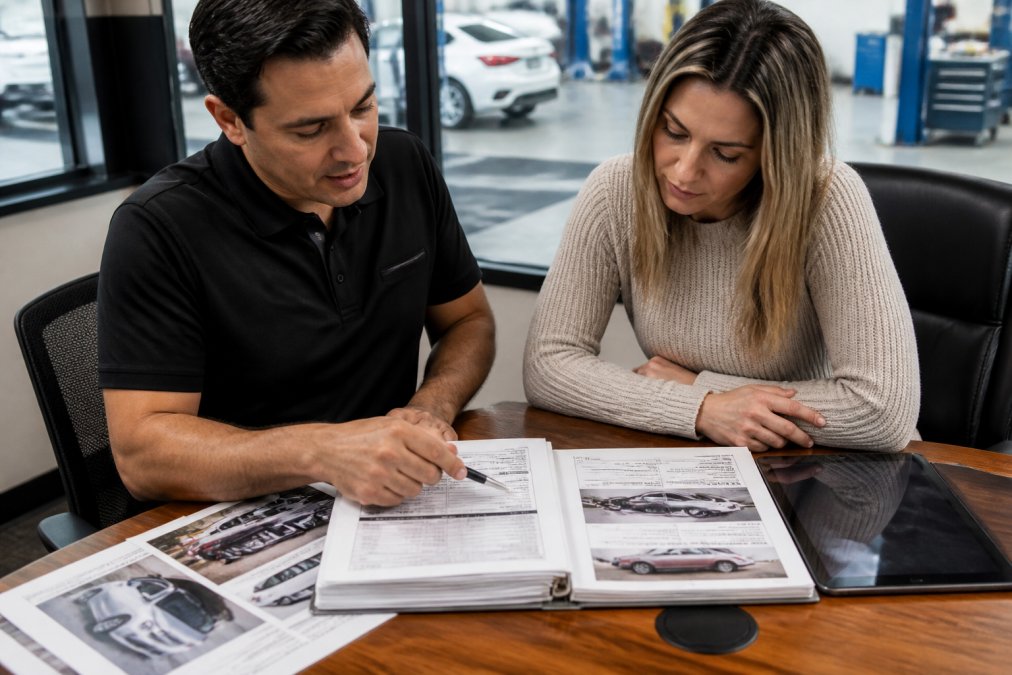
Review inspection reports carefully. Request the full inspection report from Japan. It should include photos, mileage verification, rust assessment, and mechanical condition notes. Detailed reports with specific measurements and photos are what you want.
Understand the warranty or guarantee. What happens if the vehicle arrives with undisclosed damage or mechanical issues? Reputable importers offer a return period (typically 5-7 days) and warranty coverage on major mechanical systems (typically 30-90 days). Get this in writing.
Check communication responsiveness. During initial inquiries, how quickly do they respond? Are answers detailed or vague? Communication style during the sales process predicts how they'll handle issues after the sale.
Compare pricing across multiple importers. Get quotes from at least three services for the same vehicle. Ask each importer to itemize their quote: vehicle cost, shipping, duty, inspection, compliance work, and service fees.
Avoid importers with red flags. Pressure to decide quickly, refusal to provide references, vague pricing, no physical location, or unwillingness to discuss warranty terms are all warning signs.
Post-Import Ownership: Maintenance and Support
Importing a vehicle is just the beginning. Long-term ownership requires specialized knowledge and support.
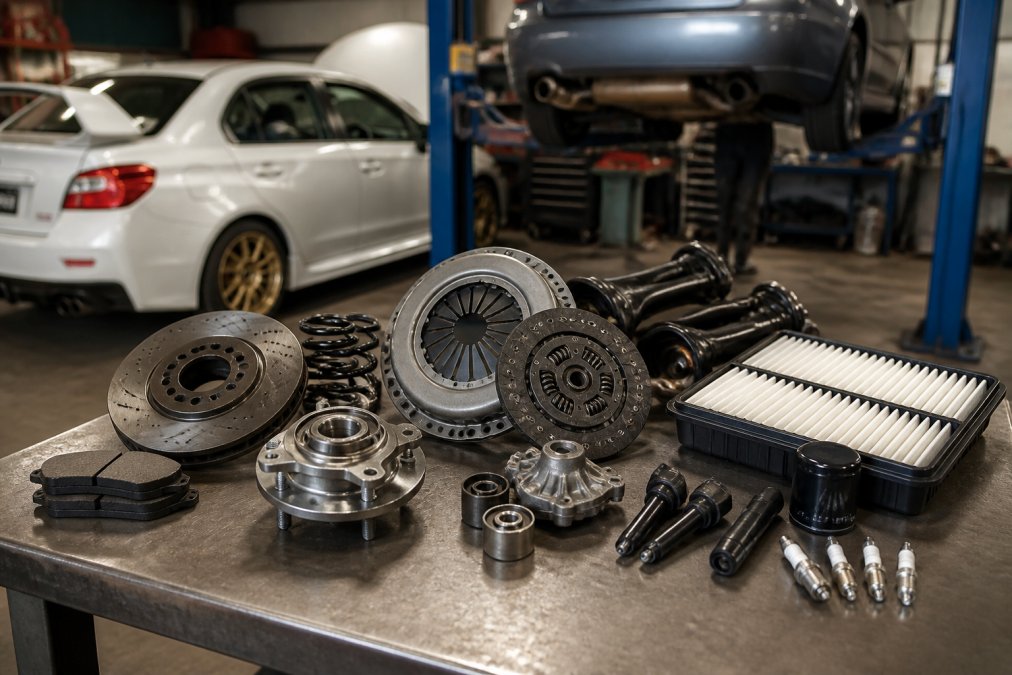
Parts sourcing becomes critical. Many Japanese vehicles use parts not stocked at domestic auto parts stores. You'll need access to importers who specialize in Japanese parts or face long wait times and premium pricing. Some importers (like Japanese Classics) offer ongoing parts support; others don't.
Maintenance schedules for Japanese vehicles often differ from domestic equivalents. Subarus, for instance, require specific service intervals and fluids. Find a shop experienced with your specific make, whether that's an independent specialist or a brand-specific dealer.
Insurance challenges exist for right-hand-drive vehicles (common in JDM imports). Some insurers won't cover RHD vehicles; others charge premiums. Call your insurance company before importing to confirm coverage and cost.
Title and registration require navigating your state's DMV process. Your importer should guide you through converting the bill of lading and export certificate to a US title. Budget time and potentially $200-$500 in fees.
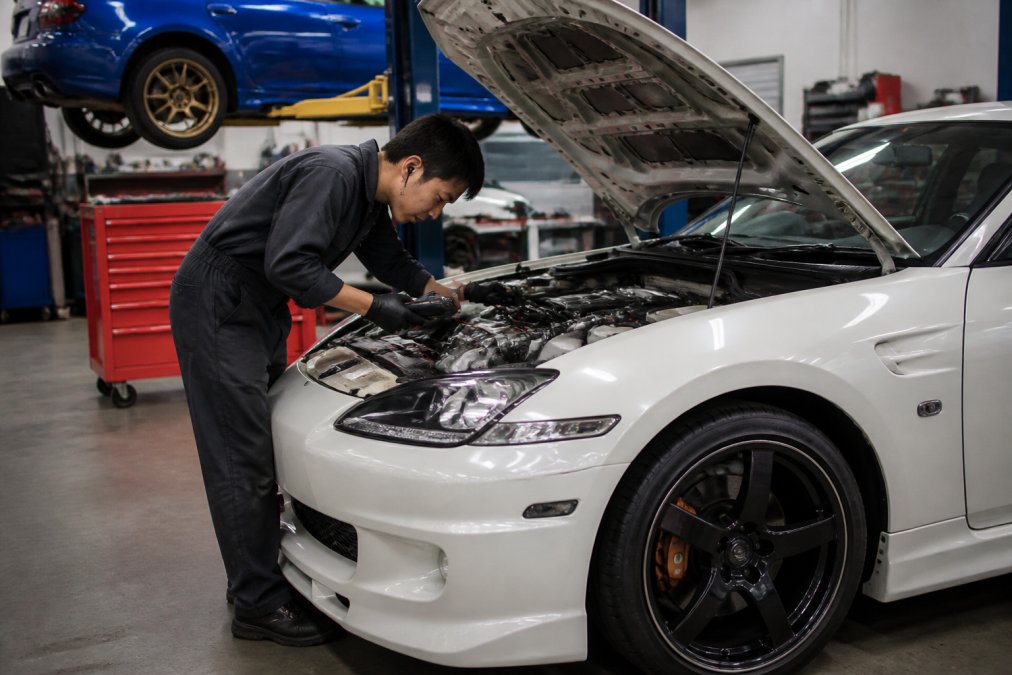
Repair shops with Japanese vehicle experience are essential. Dealerships charge premium labor rates; independent shops specializing in Japanese cars offer better value. In the Denver Metro area, Speedy Roo Motorsports specializes in Japanese automobile maintenance and repair for Subaru, Toyota, Lexus, Honda, Acura, Nissan, Infiniti, Mitsubishi, and Mazda vehicles. Shops like this provide reliable service at competitive rates.
Red Flags and What to Avoid
Pressure to decide quickly. Legitimate importers understand this is a significant purchase. If someone pushes you to commit within 24 hours, walk away.
Vague inspection reports. If the importer provides only auction-house photos and minimal notes, they haven't done their own inspection. Demand detailed condition reports with specific measurements, rust assessment photos, and mechanical findings.
No physical location or office. Some importers operate entirely online with no verifiable address. This makes recourse difficult if something goes wrong.
Unwillingness to discuss compliance. If the importer can't explain what EPA and DOT compliance work your vehicle needs, they don't understand the regulatory landscape.
Refusal to provide references. A reputable importer has satisfied customers willing to vouch for them. If they claim confidentiality, that's a major red flag.
Hidden fees appearing late. Legitimate importers provide itemized quotes upfront. If fees appear during final transaction that weren't mentioned earlier, that's bait-and-switch.
No warranty or guarantee. Some importers offer no recourse if the vehicle arrives damaged or misrepresented. Reputable importers stand behind their work with at least a short return window and warranty on major systems.
Imported vehicles with salvage titles or major accident history. Ask directly: has this vehicle ever had a major accident or been declared a total loss? Reputable importers disclose this upfront.
| Service | Best For | Key Strength | Main Limitation |
|---|---|---|---|
| Japanese Classics | Buyers wanting turnkey vehicles with post-sale support | Full reconditioning and 100+ mile test drives | Higher pricing; 25-year-old vehicles only |
| Toprank International | 25-year rule specialists seeking iconic models | Regulatory expertise and transparent cost calculator | Limited to 25-year-old vehicles |
| The Import Guys | Buyers wanting large inventory and financing options | Extensive selection and financing availability | Pricing requires contact; variable condition transparency |
| MidoriWorks | Buyers prioritizing detailed inspections and transparent pricing | Thorough condition analysis and all-in pricing | Pricing not public; smaller inventory |
Importing a Japanese vehicle is achievable when you choose the right service partner. The best service combines transparent pricing, thorough mechanical inspection, clear regulatory guidance, and honest communication. Japanese Classics excels at full-service reconditioning and post-sale support. Toprank International leads on 25-year rule expertise. The Import Guys offer scale and financing. MidoriWorks prioritizes inspection transparency.
Your choice depends on your priorities: budget, vehicle type, regulatory complexity, or post-import support. Verify credentials, request references, review inspection reports carefully, and compare pricing across multiple importers. Avoid pressure tactics, vague reporting, and unwillingness to discuss compliance. Once imported, connect with a specialized repair shop like Speedy Roo Motorsports for Denver Metro area owners to ensure long-term reliability and proper maintenance of your Japanese vehicle.
Frequently Asked Questions
What is the 25-year rule for importing Japanese cars?
The 25-year import rule allows vehicles manufactured 25 or more years ago to be imported to the US without meeting current EPA and DOT regulations. This opens access to classic JDM models like R32 Skylines and early Evos. Vehicles under 25 years old require homologation or compliance modifications, which adds significant cost and complexity. Toprank International and Japanese Classics specialize in vehicles meeting this threshold, offering guidance on eligibility and required documentation.
How much does it cost to import a car from Japan?
Total cost to import a car from Japan includes the vehicle purchase price, import duty (typically 2.5% for passenger cars), shipping ($1,500-$3,500 depending on method), customs clearance fees, and any compliance modifications. Additional costs may include auction fees, inspection services, and storage. Vehicles over 25 years old avoid EPA/DOT compliance costs. Use an import calculator from services like Toprank International to estimate landed cost before committing to purchase.
What are the best JDM auction sites to source vehicles?
Major JDM auction sites include Yahoo Auctions Japan, Japanese Classics's sourcing network, and Toprank International's connections to Japanese dealerships. The Import Guys offers direct access to Japanese auctions with financing options. For parts and smaller imports, Peter's Car Parts sources from Yahoo Auctions Japan and Up Garage. Most reputable importers handle auction bidding and translation on your behalf, reducing the complexity of direct participation.
How do I know if an importer is legitimate?
Verify legitimacy by checking for a physical US location, transparent pricing, verifiable customer reviews, and clear documentation of their import process. Ask for references and examples of completed imports. Legitimate importers explain the 25-year rule, EPA/DOT requirements, and associated costs upfront, they don't hide fees. Avoid importers who pressure quick decisions, offer prices significantly below market, or lack clear contact information and business registration.