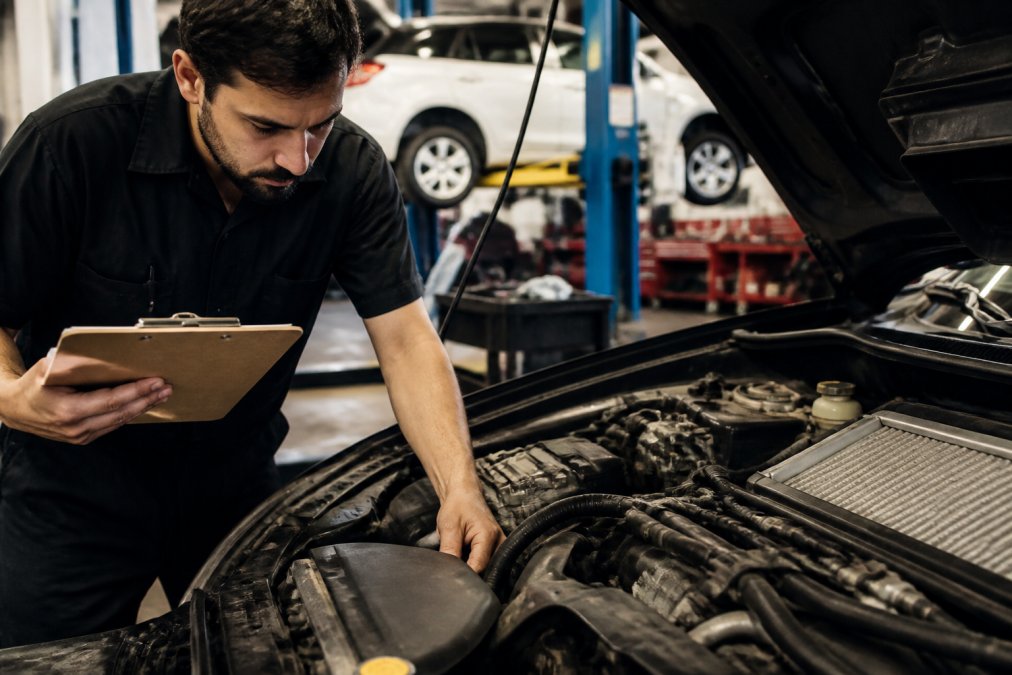
 listicle
30K Mile Service Cost for Japanese Vehicles
Table of Contents
- What Is Included in a 30,000-Mile Service?
- 30K Mile Service Checklist for Japanese Vehicles
- Independent vs Dealership Maintenance Costs
- How Long Does a 30K Service Take?
- Average Cost Factors and What Affects Pricing
- Is the 30K Mile Service Necessary?
- Identifying Service Upsells and Protecting Your Warranty
- Frequently Asked Questions
Last Updated: August 20, 2026
What Is Included in a 30,000-Mile Service?
A 30,000-mile service is a scheduled maintenance checkpoint where your Japanese vehicle receives essential fluid and filter replacements, along with comprehensive inspections. This milestone sits between your 15,000-mile and 60,000-mile services, making it critical for preventative maintenance.
The core components typically include engine oil and filter change using the grade specified in your owner's manual, tire rotation to promote even wear, and replacement of both the engine air filter and cabin air filter. Many shops also perform a multi-point inspection, checking brake pads, suspension components, and fluid levels to catch potential issues early.
This service maintains manufacturer specifications to protect your warranty and preserve resale value. According to manufacturer maintenance guidelines, skipping scheduled services can void coverage on certain components and lead to accelerated wear. At Speedy Roo Motorsports, owners who stay on top of their 30k mile service avoid costly repairs down the road. The interval exists because it aligns with when fluids degrade and filters become saturated.
30K Mile Service Checklist for Japanese Vehicles
Your Japanese vehicle's 30k mile service checklist should follow your owner's manual, as different models have varying requirements. While some manufacturers bundle more services into this interval than others, the essentials remain consistent across Toyota, Honda, Subaru, Lexus, Nissan, Acura, Infiniti, Mazda, and Mitsubishi vehicles.
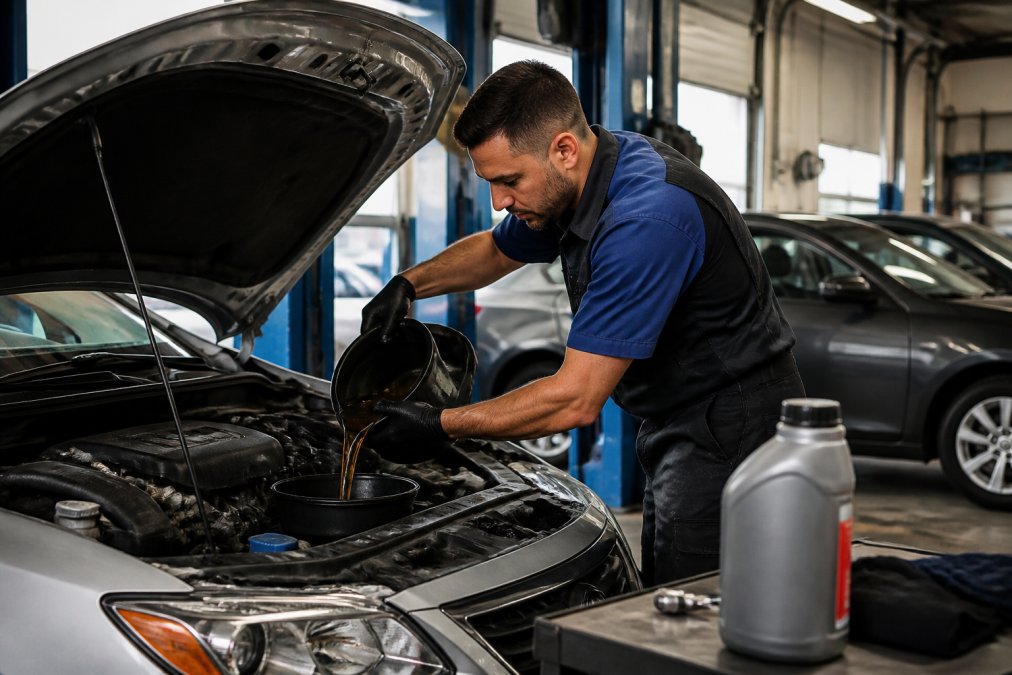
Essential Fluid and Filter Replacements
Engine oil and filter replacement forms the foundation of any 30k mile service. Your owner's manual specifies whether synthetic or conventional oil is required; many newer Japanese vehicles mandate synthetic oil for extended drain intervals and better engine protection. The filter change removes accumulated contaminants that prevent sludge buildup.
Tire rotation ensures even tread wear across all four wheels. Rotating tires every 7,500 to 10,000 miles extends overall tire life by 20-30%.
Cabin air filter replacement improves HVAC system efficiency and air quality. A clogged cabin filter forces your climate control system to work harder, reducing performance while consuming more fuel. This filter typically costs between $20 and $60 in parts.
Engine air filter inspection depends on your driving conditions. If you frequently drive in dusty environments, your engine air filter may need replacement at 30k miles. Urban drivers with moderate use might extend this to 60k miles. Your service advisor should show you the filter's condition.
Inspections and Adjustments
A thorough multi-point inspection catches wear patterns before they become safety issues. Brake pad thickness, suspension component wear, fluid condition, and belt integrity all get evaluated. Many shops include this inspection at no additional charge.
Brake fluid inspection matters because brake fluid absorbs moisture over time, reducing stopping power and causing corrosion. Some manufacturers recommend brake fluid flush at 30k miles; check your owner's manual.
Drive belt inspection identifies cracks, fraying, or glazing that indicate replacement is needed soon. A failing serpentine belt can leave you stranded; replacement typically costs $150-$300, far less than a roadside failure.
Transmission fluid condition warrants evaluation. If your owner's manual doesn't specify transmission service at 30k miles, ask your technician whether the fluid looks clean or shows signs of degradation. Dark or burnt-smelling transmission fluid indicates problems developing.
| Service Component | Typical Inclusion | Frequency | Why It Matters |
|---|---|---|---|
| Oil and filter change | Yes | Every 30k | Engine protection and longevity |
| Tire rotation | Yes | Every 30k | Even wear and extended tire life |
| Cabin air filter | Yes | Every 30k | HVAC efficiency and air quality |
| Engine air filter | Sometimes | 30k or 60k | Engine efficiency and fuel economy |
| Brake fluid flush | Sometimes | Per owner's manual | Stopping power and component protection |
| Transmission inspection | Yes | Every 30k | Early detection of problems |
| Drive belt inspection | Yes | Every 30k | Prevention of roadside failure |
Independent vs Dealership Maintenance Costs
The cost difference between independent repair shops and dealerships for your 30k mile service can be 30-50% lower at independent facilities. This gap exists because dealerships carry higher overhead, facility costs, and manufacturer-mandated pricing structures.

Independent shops like Speedy Roo Motorsports typically charge lower labor rates while maintaining the same quality standards. Technicians at quality independent shops are often ASE-certified with extensive experience on Japanese vehicles.
Dealership service has one legitimate advantage: warranty compliance. If your vehicle is still under manufacturer warranty, dealership service ensures all work meets warranty requirements. However, many manufacturers now allow independent shops to perform scheduled maintenance without voiding coverage, as long as work follows manufacturer specifications. transparent repair pricing.
Parts pricing differs between channels. Dealerships source OEM parts exclusively, while independent shops can use OEM or quality aftermarket parts. For a 30k mile service, the parts difference is minimal; oil filters and air filters are straightforward components where quality aftermarket options perform identically to OEM parts. Independent shops save you money primarily through lower labor rates.
How Long Does a 30K Service Take?
A straightforward 30k mile service typically takes 1 to 2 hours at an independent shop, depending on your vehicle and whether additional work is needed. If your service advisor discovers issues during inspection, time increases accordingly. Most shops communicate these findings before proceeding.
Dealerships often quote 2-3 hours for the same service, partly due to different workflow processes. Since dealership labor rates are higher, the extended timeline increases your overall cost.
Speedy Roo Motorsports prioritizes efficiency without cutting corners. You can typically drop your vehicle in the morning and pick it up by early afternoon. Some shops offer loaner vehicles or shuttle service; ask about these conveniences when booking.
Average Cost Factors and What Affects Pricing
Your 30k mile service cost depends on vehicle make and model, the type of oil your manufacturer specifies, and regional variation. Labor rates in metro areas run 20-40% higher than rural areas. Dealerships typically charge $100-$150 per hour in labor, while independent shops range from $65-$100 per hour.
Your vehicle's condition affects whether the service stays at baseline cost or expands. A responsible shop shows you worn components and explains why replacement is necessary. The difference between a $300 service and a $600 service often comes down to what additional work was genuinely needed versus what was recommended but optional.
Is the 30K Mile Service Necessary?
The 30k mile service is absolutely necessary if you want your Japanese vehicle to remain reliable long-term and maintain resale value. Your engine oil degrades, filters become saturated, and fluid condition deteriorates on a predictable timeline that aligns with manufacturer service intervals.
Manufacturer specifications exist because engineers tested thousands of vehicles and determined when maintenance is critical. The 30k mile interval isn't arbitrary; it's based on oil analysis, filter capacity, and component wear patterns. Ignoring these intervals voids certain warranty coverage and accelerates wear on expensive components.
Preventative maintenance is far cheaper than reactive repairs. A $400 30k mile service prevents a $2,000-$5,000 transmission problem or engine damage. For vehicles approaching 100,000 miles or beyond, the 30k service becomes even more important as accumulated wear makes regular maintenance critical.
Identifying Service Upsells and Protecting Your Warranty
Distinguishing between necessary maintenance and upselling requires understanding what your owner's manual specifies. Before your appointment, review your maintenance schedule and note exactly what your manufacturer recommends at 30k miles.
Common upsells include transmission fluid flushes when your manufacturer specifies inspection only, fuel system cleaning that isn't in your maintenance schedule, and premium cabin air filters. These services may genuinely benefit your vehicle, but they're optional additions, not required maintenance.
A responsible service advisor explains the difference between scheduled maintenance (required for warranty compliance) and recommended services (beneficial but optional). They should show you the condition of components they're recommending for service.
Warranty protection requires following your manufacturer's maintenance schedule, not exceeding it. Document all service work in your digital records or physical maintenance log. Keep receipts showing what was done, what parts were used, and what was recommended but declined.
Your 30k mile service is a straightforward maintenance checkpoint that protects your investment and keeps your Japanese vehicle running reliably. The cost varies based on your location, vehicle model, and whether additional work is needed, but the service itself is essential for long-term vehicle health.
At Speedy Roo Motorsports, we handle 30k mile services for all Japanese brands with transparent communication about what's necessary versus optional. Our ASE-certified technicians follow your manufacturer's specifications exactly, protecting your warranty while keeping costs reasonable. Contact us for a quote on your specific vehicle; we'll explain what's included and answer any questions about your maintenance schedule.
Frequently Asked Questions
Is a 30k mile service worth it for Japanese vehicles?
Yes. A 30k mile service follows manufacturer specifications and maintains warranty compliance. Skipping it can void coverage and lead to costly repairs later. The service addresses critical preventative maintenance items like oil, transmission fluid, and air filters that directly affect vehicle longevity and resale value. Japanese vehicles are engineered for scheduled maintenance intervals, and the 30k mark is a key checkpoint for synthetic oil vehicles and transmission health.
What's the difference between independent and dealership 30k mile service costs?
Independent repair shops typically charge less than dealerships because they have lower overhead and don't carry the dealership markup. However, both should follow your vehicle's owner's manual specifications. Independent shops often provide transparent communication about what's truly needed versus optional upsells. The key is ensuring whoever performs the service uses quality parts and follows the manufacturer's service interval schedule, not just generic checklists.
How long does a 30k mile service typically take?
Most 30k mile services take 1.5 to 3 hours at an independent shop, depending on your specific vehicle model and any complications discovered during the multi-point inspection. Dealerships may take longer due to higher customer volume. Some shops offer shuttle service or loaner vehicles to keep you mobile. Always ask for a time estimate when you schedule; this helps you plan your day and understand labor rates.
Can I skip the 30k mile service without voiding my warranty?
This depends on your vehicle's warranty terms. Most manufacturers require proof of scheduled maintenance to honor warranty claims. Skipping the 30k service could jeopardize coverage if a related component fails. Check your owner's manual for the specific maintenance schedule your manufacturer requires. Keeping digital service records or receipts is critical if you use an independent shop instead of a dealership.
Are Japanese vehicles expensive to maintain at 30k miles?
Japanese vehicles like Toyota, Honda, Nissan, and Subaru are generally designed for affordable maintenance. The 30k service is a routine checkpoint, not a major overhaul. Costs depend on your vehicle's age, condition, and whether parts need replacement beyond the standard service. Using synthetic oil and following preventative maintenance at 30k miles actually reduces long-term repair costs and extends vehicle longevity compared to skipping intervals.