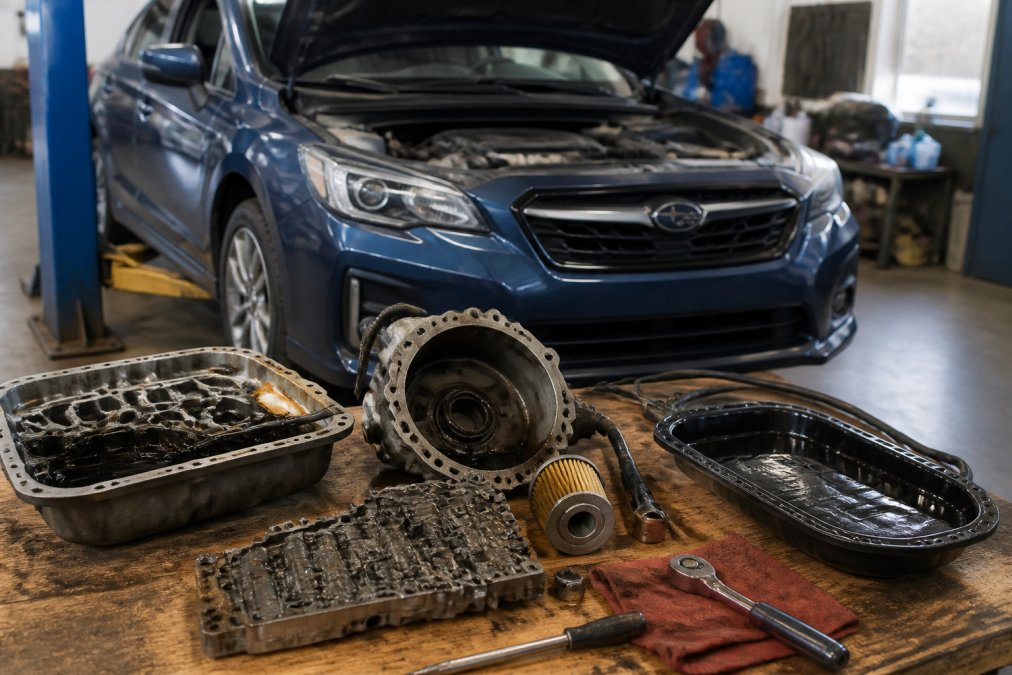
 listicle
10 Signs Your Subaru Needs Transmission Service
Table of Contents
- 1. Difficulty Changing Gears or Shifting Delays
- 2. Unusual Humming, Whining, or Clunking Noises
- 3. Burning Smell Coming from Under the Vehicle
- 4. Fluid Leaks Under Your Subaru
- 5. Check Engine Light Illumination
- 6. Shaking or Jerking During Acceleration
- How to Check Subaru Transmission Fluid
- Subaru CVT Transmission Fluid Change Interval
- When to Seek Professional Transmission Service
- Maintenance vs. Repair: The Cost of Prevention
- DIY vs. Professional Service: When to Call a Technician
- Summary Table: Transmission Warning Signs and Actions
- Frequently Asked Questions
Last Updated: August 26, 2026
1. Difficulty Changing Gears or Shifting Delays
When your Subaru hesitates to shift or refuses to engage gears smoothly, transmission fluid has likely lost its ability to create proper hydraulic pressure, or the shifter linkage has become misaligned. The delay might feel subtle at first, a half-second pause when moving the gear selector, but worsens over time into lurching engagement or a stiff, resistant shifter.
Transmission fluid degrades over time, losing viscosity and its ability to transmit power efficiently (peer-reviewed research). The continuously variable transmission (CVT) system in many Subarus relies on precise fluid pressure to modulate the belt and pulley system. When that pressure drops, engagement becomes sluggish.
Check for this by shifting from Park to Drive in an empty parking lot. The transition should be nearly instantaneous. If there's a noticeable lag of more than a second, have a technician diagnose it immediately.
2. Unusual Humming, Whining, or Clunking Noises
Strange sounds from the transmission area are never normal. A high-pitched whining noise typically indicates low transmission fluid or a failing transmission pump (ase.com). Clunking sounds suggest internal mechanical failure, worn bearings, broken gear teeth, or a damaged torque converter.
CVT transmissions make a distinct humming sound during normal operation, but it should be consistent and relatively quiet. If the humming becomes louder, changes pitch, or is accompanied by whining, your transmission is signaling distress. Clunking noises are more serious, they usually occur when shifting into gear or accelerating hard and point to internal wear requiring immediate professional attention.
To diagnose: start your engine in a quiet environment and listen carefully. Note when the sound occurs, during idle, acceleration, or gear changes. Whining that increases with engine RPM often indicates transmission fluid pressure issues. Clunking that happens only during acceleration suggests mechanical wear inside the transmission.
3. Burning Smell Coming from Under the Vehicle
A sharp, acrid burning smell coming from under your Subaru indicates overheating transmission fluid. Transmission fluid has a specific boiling point; when it exceeds that temperature, it breaks down and produces a burnt odor. This happens due to low fluid level, a failing transmission cooler, heavy towing or mountainous driving without adequate cooling, or internal friction from worn components.
Don't confuse this with other burning smells. Burning rubber usually comes from brakes or belt slippage. Burning plastic suggests electrical issues. Transmission fluid burning smells distinctly like hot oil mixed with a chemical scent.
If you notice this smell, pull over safely and let the transmission cool. Check your transmission fluid level. If it's low, top it off with the correct fluid type for your Subaru model. If the level is normal, the problem is internal or the cooler is failing. Either way, you need professional diagnosis soon. Continued driving with an overheating transmission accelerates internal damage.
4. Fluid Leaks Under Your Subaru
Transmission fluid leaks are straightforward to spot: colored fluid (typically red, green, or amber) pooling under your vehicle. The transmission pan, seals, cooler lines, and the transmission itself are common leak sources. Any transmission fluid loss is serious because it directly reduces the hydraulic pressure your transmission needs to function.
Check for leaks by parking on a clean, dry surface overnight. If you see fluid pooled beneath the transmission area, you have a leak. Wipe the area clean, drive for 10 minutes, and check again to confirm active leaking.
The source matters. A weeping seal might lose a quart over months. A cracked transmission pan or damaged cooler line loses fluid rapidly and requires immediate repair. A leak at the transmission itself suggests seal failure, which often signals internal wear. Never ignore transmission fluid leaks, running low on fluid causes overheating, metal-to-metal contact, and rapid internal damage.
5. Check Engine Light Illumination
Your Subaru's check engine light can indicate hundreds of problems, but transmission-related diagnostic trouble codes are common. When the light illuminates, your vehicle's onboard diagnostic system has detected an issue with the transmission's sensors, solenoids, or internal systems.
The light alone doesn't tell you the severity. A minor sensor malfunction triggers the same light as a catastrophic transmission failure. That's why diagnostic scanning is essential. A professional scanner reads the specific trouble codes stored in your vehicle's computer, pinpointing the exact problem.
Common transmission-related trouble codes include issues with the torque converter clutch solenoid, transmission fluid temperature sensor, or gear position sensor. Some codes indicate transmission slipping or shift quality problems; others suggest electronic control issues rather than mechanical failure.
Schedule a diagnostic scan as soon as possible. Many independent repair shops offer free or low-cost scanning. If the light appears alongside other transmission warning signs, hesitation, unusual noises, or burning smell, prioritize the appointment.
6. Shaking or Jerking During Acceleration
Shaking or jerking when accelerating signals transmission slipping or internal mechanical problems. Your Subaru should accelerate smoothly without vibration or hesitation. In CVT transmissions, this often indicates belt slippage due to fluid degradation, worn belt surfaces, or pulley wear. In traditional automatic transmissions, jerking suggests shift quality problems or torque converter issues.
Test this by accelerating gently on a quiet road. The acceleration should be smooth and linear. If you feel shaking, vibration, or jerking, especially with harder acceleration, you have a transmission problem. failing car battery.
How to Check Subaru Transmission Fluid
Checking your transmission fluid should be part of your regular maintenance routine. For models with a dipstick: locate it under the hood (usually a yellow or orange handle). With the engine running and the transmission in Park, pull the dipstick out fully. Wipe it clean with a lint-free cloth, reinsert it completely, then pull it out again. Check the fluid level against the markings on the stick.
Examine the fluid color and smell. Healthy transmission fluid is bright red or green (depending on type) and has a slightly sweet smell. Dark red or brown fluid indicates aging. Black fluid suggests overheating or contamination. A burnt smell confirms overheating.
For models without a traditional dipstick, you'll need a special tool or professional equipment to check the level safely. This is best left to professionals.
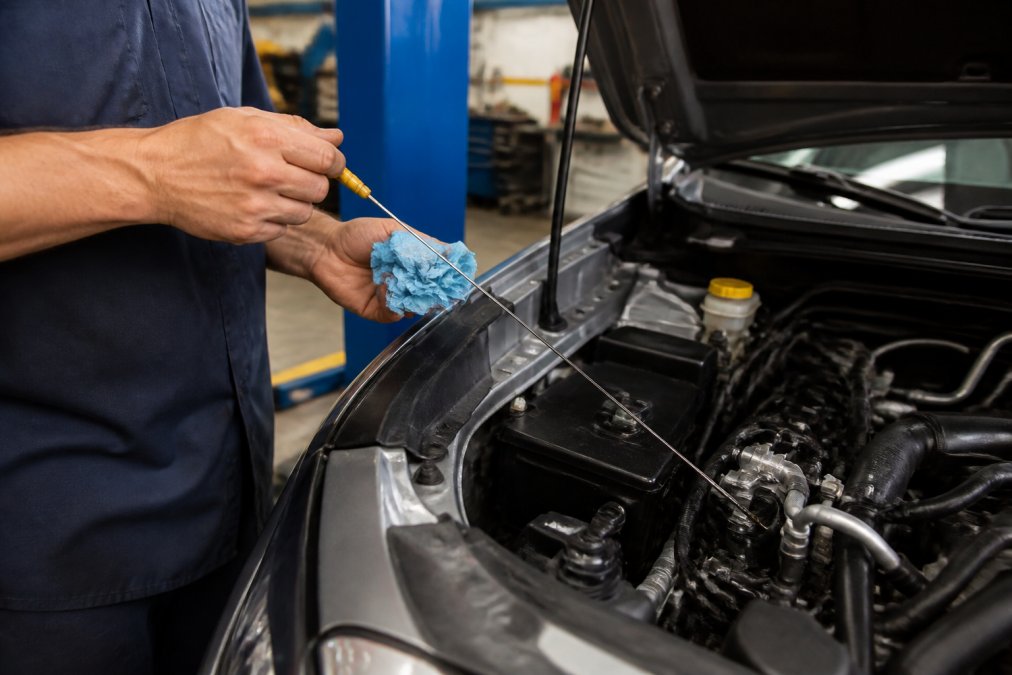
If the level is low, top it off with the correct fluid type for your Subaru. Never mix transmission fluid types. Your owner's manual specifies whether your vehicle needs CVTF-II (for CVT models) or a different specification. Check your fluid level monthly, especially if you've noticed any transmission warning signs.
Subaru CVT Transmission Fluid Change Interval
Most Subaru vehicles with continuously variable transmissions require a transmission fluid change every 60,000 to 75,000 miles under normal driving conditions (subaru.com). Some models recommend 30,000 miles if you frequently tow, drive in mountainous terrain, or operate the vehicle in severe conditions.
Check your owner's manual for your specific model's recommended interval. Some older Subarus claim "lifetime" transmission fluid, but modern maintenance practices suggest changing it anyway. The fluid degrades over time, and changing it preventatively costs far less than transmission repair.
Severe driving conditions warrant more frequent changes. If you tow regularly, drive in stop-and-go city traffic, or operate your Subaru in hot climates, consider changing the fluid every 30,000 to 40,000 miles.
A transmission fluid change involves draining the old fluid, replacing the transmission filter, and refilling with fresh fluid. The process takes 1-2 hours at a professional shop. Using genuine Subaru CVTF-II transmission fluid ensures compatibility and optimal performance.
Track your fluid changes in your maintenance records. This documentation proves you've maintained the vehicle properly and helps you remember when the next service is due.
When to Seek Professional Transmission Service
Seek professional transmission service immediately if you notice any combination of the warning signs covered above: hesitation, unusual noises, burning smell, fluid leaks, check engine light, or shaking during acceleration. Early diagnosis often means simpler, less expensive repairs. A transmission that's slipping might be fixed with a fluid change and filter replacement. The same transmission, ignored for months, might need internal repairs costing significantly more.
Choose a shop experienced with Subaru transmissions. Independent repair facilities specializing in Japanese vehicles often provide better service and value than dealerships. At Speedy Roo Motorsports, our technicians have extensive experience diagnosing and repairing Subaru transmissions across all model years.

When you bring your Subaru in for transmission service, describe the symptoms you've noticed. Be specific about when they occur, how often, and whether they're getting worse. Professional diagnosis typically involves a visual inspection, fluid check, diagnostic scan, and test drive.
Don't attempt major transmission repairs yourself unless you have professional experience. Transmission work requires specialized tools, knowledge of your specific model's systems, and understanding of transmission fluid types and specifications.
Maintenance vs. Repair: The Cost of Prevention
Regular transmission maintenance costs far less than transmission repair. A fluid and filter change every 60,000 miles might cost between $150 and $300. A transmission that's failed due to neglect might cost $3,000 to $5,000 or more to rebuild or replace.
Maintenance also extends your transmission's lifespan. A well-maintained transmission can last the life of the vehicle. A neglected one might fail at 100,000 miles. Track your maintenance schedule and set calendar reminders for your next fluid change.
DIY vs. Professional Service: When to Call a Technician
Checking fluid level, topping off low fluid, and inspecting for leaks are DIY-friendly tasks. Fluid changes are more complex and best left to professionals to avoid using the wrong fluid or overfilling the transmission. Transmission repairs are professional-only work requiring specialized equipment and training.
If you notice any of the warning signs covered in this guide, contact a professional immediately. At Speedy Roo Motorsports, we offer transparent diagnostics and honest recommendations. We'll tell you whether your transmission needs a simple fluid change, a more involved repair, or professional monitoring.
Summary Table: Transmission Warning Signs and Actions
| Warning Sign | What It Means | Urgency | Recommended Action |
|---|---|---|---|
| Difficulty changing gears | Low fluid or internal wear | Medium | Check fluid level; schedule service within 1-2 weeks |
| Humming or whining noise | Low fluid or pump failure | Medium | Professional diagnosis within 1-2 weeks |
| Clunking sounds | Internal mechanical damage | High | Professional service within days |
| Burning smell | Transmission overheating | High | Stop driving; check fluid; professional service same day |
| Fluid leaks | Seal or pan failure | High | Professional service within 1-2 days |
| Check engine light | Sensor or system fault | Medium | Professional diagnostic scan within 1-2 weeks |
| Shaking during acceleration | Belt slipping or shift problems | High | Professional service within 3-5 days |
Recognizing these signs early gives you the best chance of catching transmission problems before they become catastrophic. Your Subaru's transmission is one of its most complex and expensive systems. Treating warning signs seriously protects your investment and keeps your vehicle reliable for years to come.
At Speedy Roo Motorsports, we've been diagnosing and repairing Subaru transmissions since 2002. When you notice any of these warning signs, bring your vehicle in for a professional evaluation. Our technicians will identify exactly what's happening and recommend the most cost-effective solution. Contact us to schedule your transmission service today.
Frequently Asked Questions
How do I know if my Subaru transmission is bad?
Common signs include difficulty shifting gears, delayed engagement when accelerating, shuddering or jerking, burning smells, fluid leaks, whining noises, and a check engine light. If you notice several of these symptoms together, your transmission likely needs professional evaluation. A diagnostic scan can identify specific trouble codes related to transmission problems.
How often should you change your transmission fluid on a Subaru?
For Subaru CVT transmissions, fluid changes are recommended every 60,000 to 75,000 miles under normal driving conditions. Severe driving conditions, such as towing, frequent mountain driving, or extreme temperatures, may require changes every 30,000 miles. Always check your owner's manual for your specific model year's recommendations.
What does a burning smell from transmission fluid indicate?
A burning odor typically signals that transmission fluid is overheating or degrading. This can result from low fluid levels, a failing transmission cooler, heavy towing, or internal mechanical issues. Overheated fluid loses its ability to protect internal components like the torque converter and belt pulleys, accelerating wear. Have this checked immediately.
Can I check my Subaru transmission fluid myself?
Yes, but it depends on your model. Many newer Subaru CVTs don't have a traditional dipstick. If yours does, locate the transmission dipstick under the hood, pull it out, wipe it clean, reinsert it fully, then pull it again to check the level. The fluid should be between the hot and cold marks. If your model lacks a dipstick, a professional scan or transmission pan inspection is needed.