 how-to
How to Handle a Mechanic Overcharge: Step-by-Step
Last Updated: October 31, 2026
Quick Summary
A mechanic overcharge is best handled by comparing the final bill to your written estimate, checking labor hours against a published repair time, and rebuilding the labor and parts lines to see if the total is actually excessive. Request an itemized invoice, ask which charges were not on the estimate and who approved them, and get the explanation in writing before you pay.
- Ask which charges were not on the estimate and who approved them.
- Rebuild the labor line by multiplying book hours by the posted labor rate.
- Send a written dispute by email stating the amount you believe is wrong.
- Set a response deadline such as ten business days in your written dispute.
- Do not sign anything that waives your right to dispute the bill.
Table of Contents
- How to Tell If a Mechanic Overcharged You
- What to Do When a Mechanic Charged More Than Estimate
- Questions to Ask a Mechanic About Charges Before You Pay
- How to Dispute an Auto Repair Bill: A Step-by-Step Process
- When the Repair Doesn't Fix the Problem
- Getting a Second Opinion on a Suspicious Repair Bill
- Book a Transparent Diagnostic at Speedy Roo Motorsports
- Frequently Asked Questions
How to Tell If a Mechanic Overcharged You
A mechanic overcharge usually shows up as a gap between what you authorized and what you were billed. A ConsumerAffairs mechanic trust survey that polled 1,000 drivers found trust in shops is a live concern, and the drivers who resolve it best are the ones who check the paperwork line by line.
Most bills that feel wrong are honest mistakes. Some are not. Here is how to tell the difference.
Compare the Final Bill to the Written Estimate
Your written estimate is the baseline. Pull it out and set it next to the final invoice.
- Line items that appear on the bill but not the estimate are the first red flag.
- A higher total with no phone call or text approval is a second red flag.
- Vague line items like "misc. shop supplies" or "adjustments" deserve a question.
Shops should get your okay before doing work beyond the estimate. If nobody asked, ask why. Keep in mind that a verbal approval still counts in most disputes, so write down who called, when, and what they said.
Check Labor Hours and Parts Markup Against Local Rates
Labor is billed in hours, and those hours should match a published repair time. Ask what book time the shop used for the job. Many shops use a published labor guide, and a fair shop will tell you which guide and which operation it priced.
Parts deserve the same check. Compare the part number on your invoice to what an OEM parts seller lists. A modest markup is normal. A markup that doubles the part price is worth questioning.
Calculate Whether the Bill Is Actually Excessive
A high bill is not automatically an overcharge. Use this transparent method to separate a fair bill from an inflated one:
- Rebuild the labor line. Multiply the book hours by the shop's posted labor rate. If the shop will not state its rate, ask for it in writing. Compare that product to the labor charge on the invoice.
- Rebuild the parts line. Look up the part number at an OEM seller and at a reputable aftermarket seller. Markups vary by part and shop, so ask what the shop charges above its own cost. A markup far above that range is a fair question, not an accusation.
- Add diagnostic fees separately. A diagnostic fee should buy you a specific finding, not just a scan. Ask what the fee covered and whether it is credited toward the repair.
- Check taxes and shop supplies. Sales tax treatment of parts and labor depends on state law, so check your state's rules. Shop supply fees should be a stated percentage or flat amount, not a vague line.
- Compare the total to the estimate. If the rebuilt total is close to the invoice, the bill is probably fair even if it feels high. If the rebuilt total is materially lower, you have a specific number to dispute.
If the rebuilt total and the invoice diverge, the next section walks through what to do when a mechanic charged more than the estimate.
What to Do When a Mechanic Charged More Than Estimate
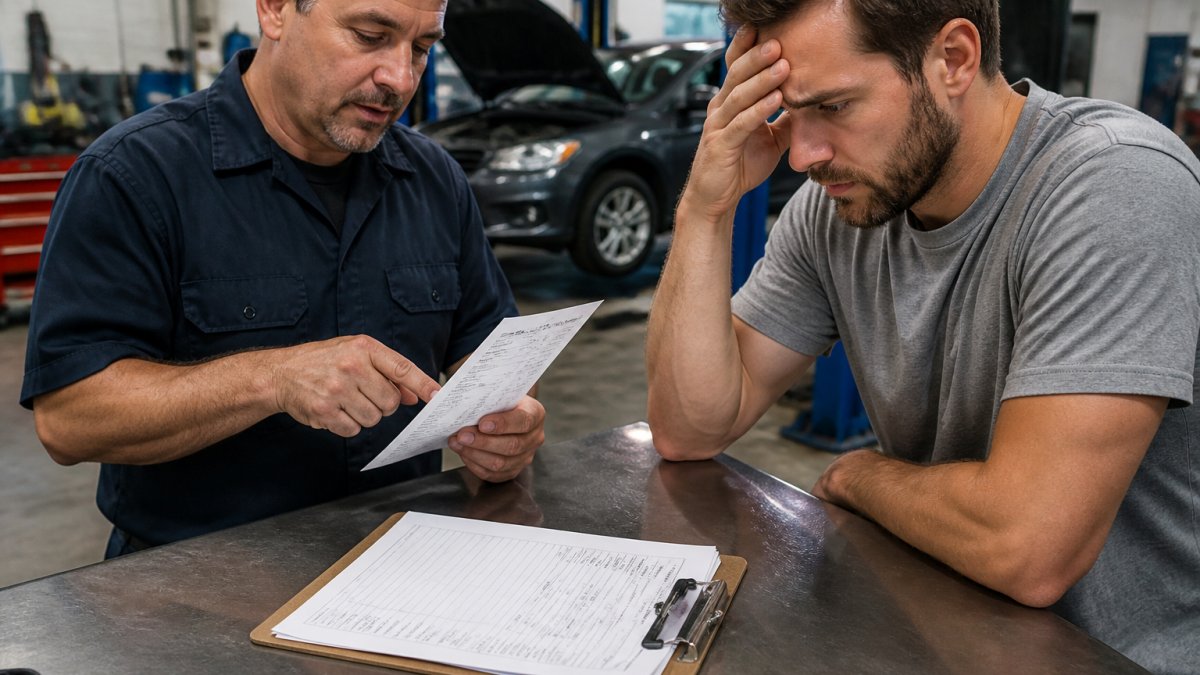
Start by staying calm and asking for the itemized invoice. A bill that runs higher than the estimate is not proof of wrongdoing on its own.
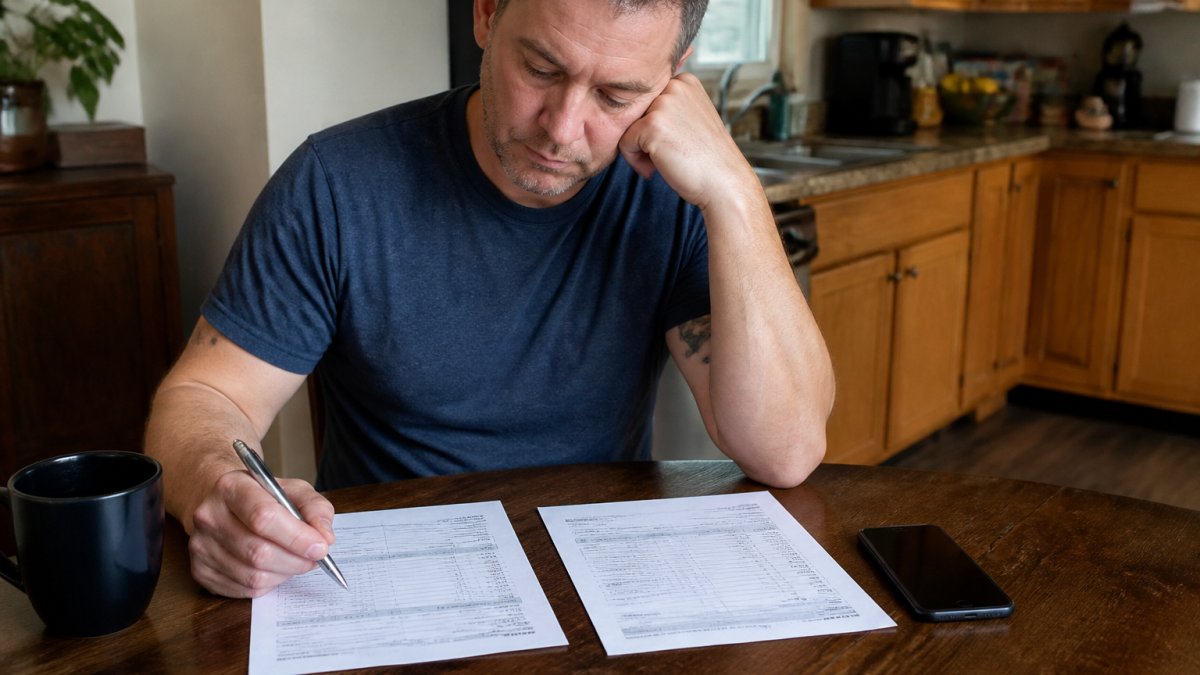
Follow these steps:
- Request the itemized invoice if you only got a total.
- Ask which charges were not on the estimate and who approved them.
- Get the explanation in writing by email or text.
- Do not sign anything that waives your right to dispute.
- Pay only the undisputed portion if the shop allows a partial payment while you sort it out.
The key point: a mechanic charged more than estimate is a conversation, not a fight. Get the facts first.
Questions to Ask a Mechanic About Charges Before You Pay
Ask these questions to a mechanic before money changes hands. A fair shop answers them without flinching.
- What is the labor rate, and how many hours did this job book?
- Can you show me the failed part?
- Is this part OEM, aftermarket, or remanufactured?
Sample Script for Asking for an Itemized Explanation
Use this word for word if you are not sure how to start:
"Hi, I want to understand my bill before I pay. Can you walk me through each line item, including labor hours and the part numbers? I would also like to know which charges were not on my original estimate and who approved them. Could you send that in writing?"
That script keeps things civil and gets you a paper trail.
How to Dispute an Auto Repair Bill: A Step-by-Step Process
Disputing an auto repair bill works best as a sequence with dates attached. Start with the shop, escalate only if the shop will not explain the charges, and preserve evidence at every step so a later complaint or court filing has something to stand on.
- Ask the shop for a written breakdown and give them a chance to fix an error. Do this the same day you pick up the car if possible.
- Compare the bill to your estimate and to local rates using the rebuild method in the previous section.
- Send a written dispute by email that states the amount you believe is wrong and why. Attach the estimate, the invoice, and any approval texts.
- Set a deadline for a response, such as ten business days, and say in the email what you will do if the deadline passes.
- Escalate in the order below, keeping a copy of every message.
Build Your Evidence File Before You Call
Your evidence file decides how the dispute goes. Gather these before your first call:
- The written estimate and the final itemized invoice
- Photos of the failed part and the part number on the new one
- Texts or emails showing what you approved, with timestamps
Keep the file in one folder, digital or paper. If you escalate to a card issuer or a consumer agency, you will be asked for the same documents, and having them ready shortens the process. Our guide on how to track vehicle maintenance history online shows a simple way to keep service records together.
For drivers who want a plain-language walkthrough of spotting rip-offs before they happen, this guide on avoiding mechanic rip-offs covers the warning signs.
Escalation Options Beyond a Credit-Card Chargeback
A chargeback is not your only lever, and it is not always the best first escalation. These options exist too, roughly in order of effort:
- A written complaint to your state attorney general's consumer protection office. Many state consumer protection offices accept complaints online. Keep the complaint factual and attach your evidence file.
- Your state's auto repair regulator, where one exists. Oversight of repair shops varies by state, so check your state's consumer protection website before you file so the complaint goes to the right agency.
- Mediation through a local consumer mediation program or your state's consumer protection office. Mediation is often free or low cost and can resolve a billing dispute without court.
State rules vary widely, so check what your state requires before you escalate. The same evidence file that supports a chargeback also supports a written complaint, a mediation request, and a small-claims filing, which is why building it first matters more than picking the escalation route.
Here is the dispute sequence the article lays out, from the first written request to the final escalation.
| Step | What to do | Timing or note |
|---|---|---|
| 1 | Ask the shop for a written breakdown | Same day you pick up the car if possible |
| 2 | Compare the bill to your estimate and local rates | Use the rebuild method |
| 3 | Send a written dispute by email | State the amount you believe is wrong and why |
| 4 | Set a deadline for a response | Such as ten business days |
| 5 | Escalate, keeping a copy of every message | Escalate only if the shop will not explain |
When the Repair Doesn't Fix the Problem
A failed repair is a separate issue from an overcharge, and you should treat it that way.
Watch out: driving a car that is still unsafe, such as one with a brake or steering problem, is dangerous.
If the shop will not re-check the work, get a second opinion in writing and keep both invoices. That paper trail matters if you escalate.
Getting a Second Opinion on a Suspicious Repair Bill
A second opinion gives you a neutral read on whether the work was needed. Choose a shop that will put its findings in writing.
Bring these with you:
- The original invoice and estimate
- Any parts the shop replaced
- A note on what the car is doing now
An independent shop can confirm whether a repair was necessary and whether the price was fair. If you want a shop with reviews and a warranty behind its work, our page on a reliable mechanic with reviews and warranty explains what to look for.
One honest limitation: a second opinion costs money too, so use it when the disputed amount is worth more than the inspection.
Book a Transparent Diagnostic at Speedy Roo Motorsports
If you suspect a mechanic overcharge, the fastest way to settle it is a clear, itemized look at your car. We are an independent shop in Aurora that has specialized in Japanese vehicles since 2002, covering Subaru, Toyota, Lexus, Honda, Acura, Nissan, Infiniti, Mitsubishi, and Mazda.
If you want to know what an honest estimate should look like, read our guide to an honest car repair estimate. When you are ready for a straight answer on your bill, book a transparent diagnostic with clear pricing and get a second set of eyes on the work.
Frequently Asked Questions
Can a mechanic charge more than the written estimate?
Shops generally need your authorization before doing work beyond the written estimate, and the exact rule depends on your state. If the final bill is higher and you never approved the extra work, ask for the signed authorization. If there isn't one, that's your strongest argument for disputing the difference. Keep your copy of the estimate and compare it line by line with the invoice before you pay.
How do I dispute an auto repair bill without ruining the relationship with my shop?
Start with a calm phone call or in-person conversation and ask for an itemized explanation of each charge. Many disputes come down to a miscommunication about parts or labor hours and get resolved on the spot. If that doesn't work, put your concerns in writing with copies of the estimate, invoice, and any texts or emails. A shop that values repeat business should walk you through the charges rather than avoid the conversation.
What documents should I keep for a mechanic overcharge dispute?
Keep the written estimate, the final itemized invoice, your signed authorization for any additional work, and all texts or emails with the shop. Save payment receipts and note the dates of each conversation. If you get a second opinion, keep that inspection report too. Keeping this paperwork makes your case much easier to prove if you need to escalate.
Who can I contact about a complaint against an auto repair shop?
Start with the shop's owner or service manager in writing. If that fails, contact your state attorney general's consumer protection division or another consumer protection office. Check whether your state regulates repair shops through a motor vehicle or consumer affairs agency, which may accept complaints. For payment disputes, your credit-card issuer's chargeback process is another route. Document every step and keep copies of everything you send.
A repair bill you do not understand is a problem you can fix. Bring us the invoice, the estimate, and your questions. We will walk you through every line, explain what the work involved, and give you a clear price before anything else happens. Get started with Speedy Roo Motorsports and get a repair bill you can actually trust.