 how-to
Does Car Insurance Cover Mechanical Breakdown Repairs?
Last Updated: October 30, 2026
Quick Summary
No, standard car insurance does not cover mechanical breakdown repairs. Your auto policy pays for damage from crashes, theft, fire, or weather, not for parts that wear out or fail on their own. A mechanical breakdown is a failure with no outside cause, and insurance is built around outside causes.
- Collision and comprehensive coverage hinge on a sudden, external event, not on parts that fail on their own.
- Mechanical breakdown insurance is a separate policy that pays for sudden internal failures of major parts after a deductible.
- MBI eligibility often requires a relatively new vehicle with mileage under a stated limit, so check the month you buy the car.
- An extended warranty is a service contract sold by a dealer, manufacturer, or third party, while MBI is an insurance policy.
- Get a written repair estimate before filing, since a small repair may cost less than your deductible.
Table of Contents
- Does Car Insurance Cover Mechanical Breakdown Repairs? The Short Answer
- What Standard Auto Insurance Actually Covers (and What It Doesn't)
- Mechanical Breakdown Insurance: What It Covers and Who Qualifies
- Mechanical Breakdown Insurance vs. Extended Warranty: Key Differences
- Does Car Insurance Cover Engine Failure? Engine, Transmission, and Electrical Systems
- What to Do When Car Insurance Denies a Repair Claim
- Which Policy Applies? A Decision Framework for Your Repair
- Get a Repair Estimate Before You File a Claim
- Frequently Asked Questions
Does Car Insurance Cover Mechanical Breakdown Repairs? The Short Answer
No. Standard car insurance does not cover mechanical breakdown repairs.
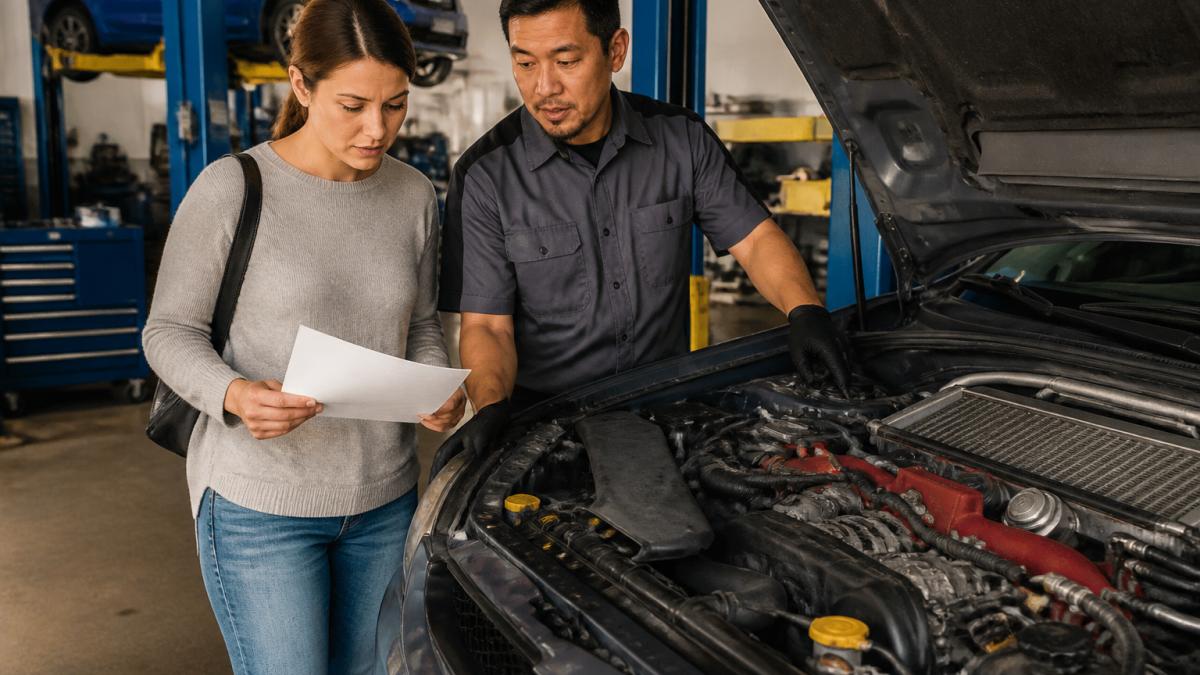
That gap surprises a lot of drivers.
A mechanical breakdown is a failure of a part or system that happens on its own, with no outside cause.
Below, we break down what your policy really covers, when a separate product like mechanical breakdown insurance makes sense, and how to handle a claim when your insurer says no.
What Standard Auto Insurance Actually Covers (and What It Doesn't)
Standard auto insurance covers accidental damage and liability. It does not cover parts that fail from age, wear, or normal use.
The major insurers all say some version of this. According to Progressive's guide to mechanical problems and car insurance, a standard policy generally excludes mechanical failures and routine maintenance. Liberty Mutual draws the same line between repairs and maintenance.
What a typical policy does pay for:
- Collision coverage: damage from hitting another car or object
- Comprehensive coverage: theft, fire, hail, flooding, vandalism, animal strikes
- Liability coverage: harm you cause to others
What it does not pay for:
- Oil changes, tuneups, brake pads, tires
- A timing belt that snaps from age
- A transmission that fails with no impact
Collision and Comprehensive Coverage: Accidental Damage Only
Collision and comprehensive are the two coverages drivers most often mistake for repair insurance. Both hinge on a sudden, external event.
If a deer runs out and you swerve into a ditch, comprehensive or collision may pay. If your water pump fails on the highway and the engine overheats, neither will. The trigger is the event, not the damage.
Wear and Tear Versus Sudden Mechanical Failure
Wear and tear is gradual. Sudden mechanical failure is not.
A clutch that wears out over 90,000 miles is wear and tear. A clutch that shatters after a bad downshift might be sudden failure. One is excluded; the other may fall under a separate breakdown product.
This is where high-mileage cars get tricky. If your car has high mileage, check your policy's exclusions before you assume a failure is covered.
Mechanical Breakdown Insurance: What It Covers and Who Qualifies
Mechanical breakdown insurance (MBI) is a separate policy that pays to repair sudden internal failures of major parts, after a deductible. It is not part of a standard auto policy, and you usually buy it from your own insurer.
What MBI typically covers:
- Engine internals
- Transmission and drivetrain
- Electrical systems
What it excludes:
- Routine maintenance and wear items
- Damage from accidents, which belongs to collision coverage
- Pre-existing conditions
GEICO's mechanical breakdown insurance page describes a structure common in the industry: most original mechanical parts are covered after a deductible, with maintenance and wear and tear excluded. Terms vary by insurer, so read the contract, not the brochure.
Eligibility Requirements: Vehicle Age, Mileage, and Model Year
Eligibility rules are strict. Common requirements include:
- The vehicle must be relatively new, often within a set number of model years
- Mileage must stay under a stated limit
- The car usually must be purchased new or lightly used
A common mistake is waiting. Drivers hear about MBI after a repair bill and find the car is too old or has too many miles. Check eligibility the month you buy the car, not the month something breaks.
Deductibles, Limits, and Exclusions in Practice
MBI is not a blank check. Three contract terms decide what you actually collect:
- Deductible: Most policies charge a per-repair or per-visit deductible, and the amount you pay out of pocket depends on that figure and the size of the repair.
- Coverage limit: Many contracts cap total payouts at a stated dollar amount or at the vehicle's actual cash value. Once you hit the cap, the policy stops paying.
- Exclusions list: Pre-existing conditions, modifications, neglected maintenance, and damage from continued driving after a warning light are common denial triggers. The exclusions page matters more than the coverage page.
What MBI Typically Costs
MBI premiums vary by insurer, vehicle, location, and deductible. The break-even question is simple: compare your annual premium plus deductible against the likely cost of a major repair on your specific vehicle. A reliable car with a strong factory warranty may not justify the cost; a vehicle with a known expensive failure mode might.
When MBI May Be Worthwhile
MBI tends to make the most sense when:
- The car is newer and still eligible
- The factory warranty is ending or has ended
- The vehicle has expensive, well-documented failure points
It tends to make less sense when the car is already high-mileage, when the premium approaches the cost of a major repair, or when the exclusions list is long enough to swallow the failures you actually fear.
Mechanical Breakdown Insurance vs. Extended Warranty: Key Differences
Mechanical breakdown insurance and an extended warranty both pay for some repairs, but they are different products with different rules.
An extended warranty is really a service contract (Auto Warranties and Auto Service Contracts).
| Feature | Mechanical Breakdown Insurance | Extended Warranty (Service Contract) |
|---|---|---|
| Who sells it | Auto insurer | Dealer, manufacturer, or third party |
| Regulated as | Insurance | A service contract |
| Typical deductible | Yes, per repair | Varies, sometimes none |
| Repair shop choice | Often flexible | Sometimes restricted |
| Best for | Newer cars, long-term owners | Drivers wanting broad dealer-backed terms |
If you are weighing a warranty product, review the contract terms carefully. A Honda Civic extended warranty review shows how one real contract compares with mechanical breakdown insurance.
Read the exclusions list first, every time.
Does Car Insurance Cover Engine Failure? Engine, Transmission, and Electrical Systems
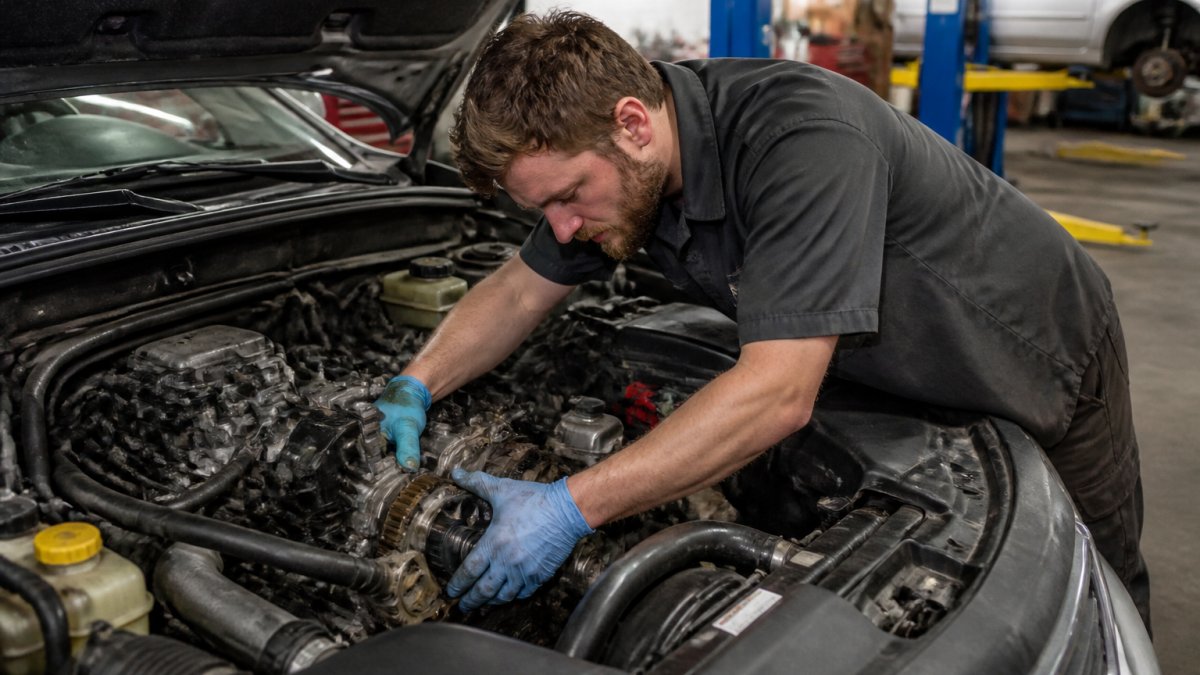
Car insurance does not cover engine failure caused by mechanical wear, and the same goes for transmission and electrical failures.
Picture a flooded street. Water gets into the engine, and the motor hydrolocks. Comprehensive coverage may pay. Now picture a timing chain that stretches and skips at 120,000 miles.
Component by component:
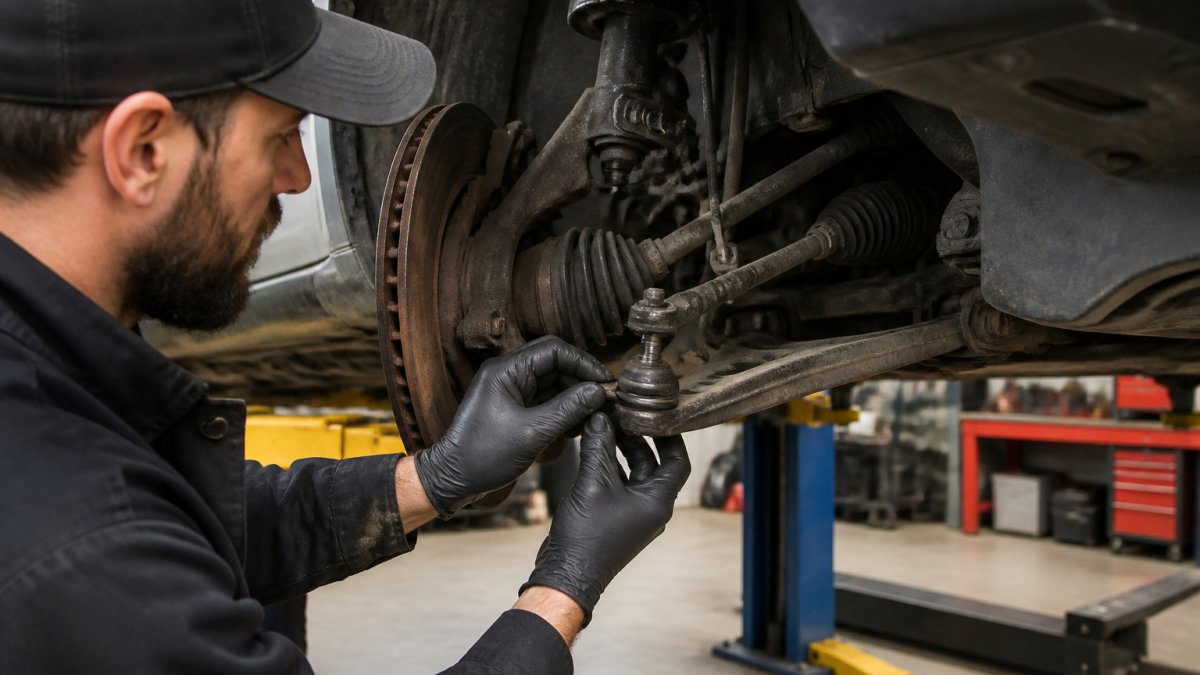
- Engine: covered for accident or weather damage, not internal wear
- Transmission: covered for impact damage, not clutch or gear wear
- Electrical: covered for fire or collision damage, not failed modules or worn wiring
If your transmission is the part that failed, a specialist may be worth seeking out. You can book Toyota transmission repair in Aurora with a shop that handles this work.
What to Do When Car Insurance Denies a Repair Claim
When car insurance denies a repair claim, ask for the denial in writing and confirm the exact exclusion the insurer cited. Then separate the repair into covered and uncovered parts.
A denial is not always final. Work through it in order:
- Get the written denial. Note the policy language and the reason code.
- Ask your shop to document the cause. A failed part from wear reads differently than one damaged by an event.
- Reopen the claim if there was an outside cause. Hail, flooding, or a road hazard can change the answer.
- Check for a separate breakdown policy. MBI or a service contract may apply even when the auto policy does not.
- Get a second opinion on the diagnosis before you approve a large repair.
A second diagnosis can protect your wallet before you approve a large repair. You can also learn how to avoid getting ripped off by a mechanic when choosing where to take the car.
Approving a repair before the cause is documented can jeopardize a legitimate claim, since proving what happened gets harder once the failed part is gone.
Which Policy Applies? A Decision Framework for Your Repair
Use this framework to figure out which policy, if any, applies. Start with the cause, not the repair cost.
- Was there an outside event? Crash, theft, fire, flood, hail, or animal strike: file with collision or comprehensive.
- Did a part fail suddenly with no outside cause? Check for MBI or a service contract.
- Is the car still under the factory warranty? File with the manufacturer first.
Two rules make this simpler. First, the cause decides the coverage, not the cost of the repair. Second, a $4,000 repair from wear is still not covered, while a $600 repair from a covered event usually is.
The Claim and Repair Workflow, Step by Step
Once you know which policy may apply, follow the same sequence before you authorize any work:
- Document the symptoms in writing. Note when the problem started, what it sounded or felt like, and whether a warning light appeared.
- Contact the insurer or contract administrator before the shop tears anything down. Ask whether preapproval or an inspection is required. Many denials trace back to work authorized before the insurer was notified.
- Get the cause documented, not just the repair. Ask the shop to state in writing whether the failure was wear, an outside event, or a sudden internal failure.
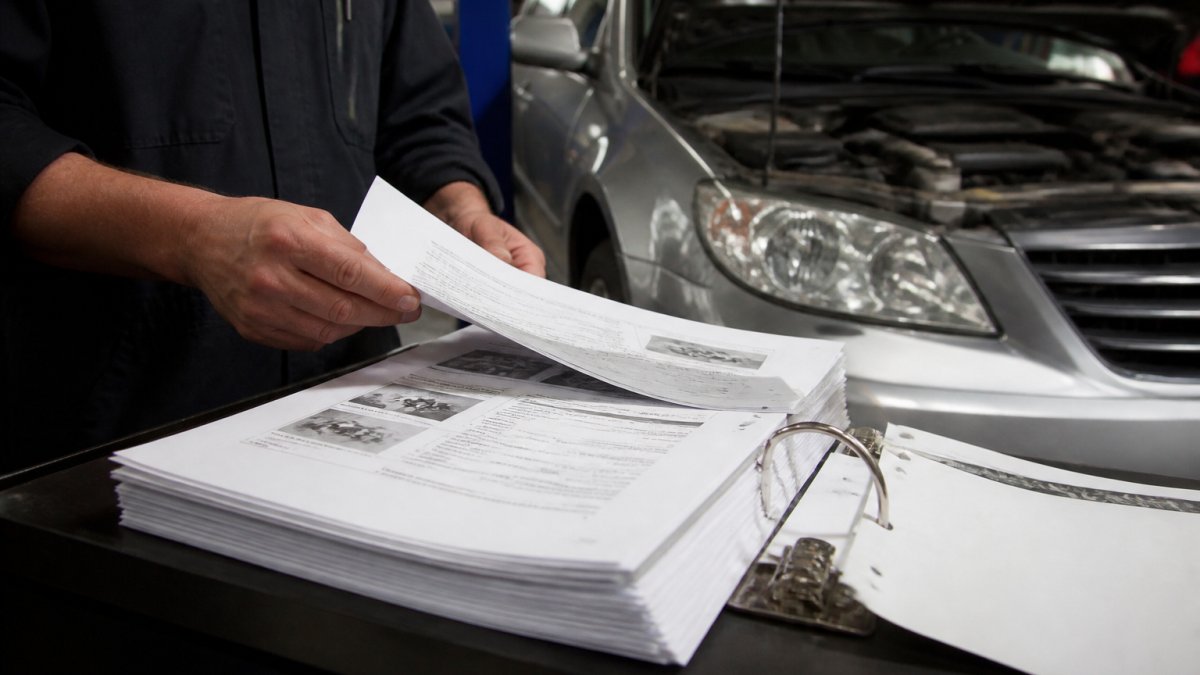
- Obtain a written estimate that separates parts and labor. Compare it to your deductible and coverage limit before you file.
- Keep the failed parts. Insurers and contract administrators may want to inspect them.
- Get a second opinion on large repairs. A second diagnosis protects your wallet and strengthens your claim.
Claim-Denial Scenarios to Watch For
Policy wording varies, but a few denial patterns show up again and again:
- Pre-existing problems: A failure the insurer can trace to a condition that existed before coverage started is often excluded.
- Neglected maintenance: Skipped oil changes, overdue timing belts, and ignored warning lights give the insurer a documented reason to deny.
- Modifications: Aftermarket tuning, lifts, and non-standard parts can void coverage for related failures.
None of this means every denial is correct. The paperwork and the sequence matter as much as the failure itself. Read your declarations page and contract exclusions before you assume a repair is covered, and ask the insurer to cite the specific exclusion in writing if a claim is denied.
Get a Repair Estimate Before You File a Claim
Get a written repair estimate before you file a claim, because the estimate tells you whether filing is even worth it.
Ask your shop for a written estimate that separates parts and labor, then compare it to your deductible and coverage limits. If the repair is close to your deductible, paying cash often makes more sense.
A written repair estimate gives you the numbers you need before you call your insurer.
Frequently Asked Questions
What is mechanical breakdown insurance?
Mechanical breakdown insurance is a separate policy or add-on that helps pay for repairs to covered mechanical and electrical parts after a sudden internal failure. It is not part of a standard auto insurance policy, so you usually have to buy it separately and meet eligibility rules on vehicle age and mileage.
Does standard car insurance cover engine failure?
Standard auto insurance generally does not cover engine failure caused by mechanical breakdown, wear, or lack of maintenance. Insurers generally explain that ordinary policies cover damage from covered events like collisions, not mechanical failures. If the engine was damaged in a covered accident, collision or comprehensive coverage may apply. Otherwise, you would need mechanical breakdown insurance, a manufacturer warranty, or an extended service contract to help with the repair bill.
What is the difference between mechanical breakdown insurance and an extended warranty?
Mechanical breakdown insurance is typically sold by an insurer and functions like a coverage add-on with a deductible and coverage limits. An extended warranty, often called a service contract, is usually sold by the manufacturer, dealer, or a third-party provider and mirrors the structure of a factory warranty. Both can help with parts and labor for covered repairs, but eligibility, exclusions, claim procedures, and who administers the claim differ. Read the policy terms carefully before buying either.
What should I do if car insurance denies a repair claim?
Ask for the denial in writing and identify the exact policy exclusion cited. Gather maintenance records, repair estimates, and any evidence the failure resulted from a covered event. Then file a formal appeal with the insurer and, if needed, contact your state insurance department. If the repair is urgent, get a written estimate from a qualified shop so you understand out-of-pocket costs before authorizing work.
Mechanical failures rarely announce themselves at a convenient time. When your Japanese car needs a real diagnosis, Speedy Roo Motorsports has worked on Subaru, Toyota, Lexus, Honda, Acura, Nissan, Infiniti, Mitsubishi, and Mazda vehicles since 2002. We give you a written estimate, explain what failed and why, and help you sort out whether insurance, a service contract, or your own budget is the right path. Get started with Speedy Roo Motorsports and get a straight answer on your repair.