 how-to guide
How to Find Honest Mechanics: A 2026 Guide
Table of Contents
- How to Find Honest Mechanics: Key Vetting Strategies
- Why Mechanic Selection Matters for Your Vehicle
- Signs of a Trustworthy Mechanic You Can Rely On
- Questions to Ask a Mechanic Before Repair Work Begins
- ASE Certified Mechanic Near Me: Understanding Certifications
- Auto Repair Warranty: What Coverage Protects You
- Vetting Independent Shops vs. Mobile Mechanics
- Red Flags That Signal a Dishonest Mechanic
- Post-Repair Verification: Confirming Quality Work
- Frequently Asked Questions
Last Updated: July 31, 2026
How to Find Honest Mechanics: Key Vetting Strategies
Finding a trustworthy repair facility is one of the most important decisions you'll make as a vehicle owner. At Speedy Roo Motorsports, we understand that dishonest mechanics can drain your wallet while putting your safety at risk. This guide walks you through proven strategies to identify mechanics you can trust: evaluating professional credentials, requesting transparent estimates, and recognizing red flags.
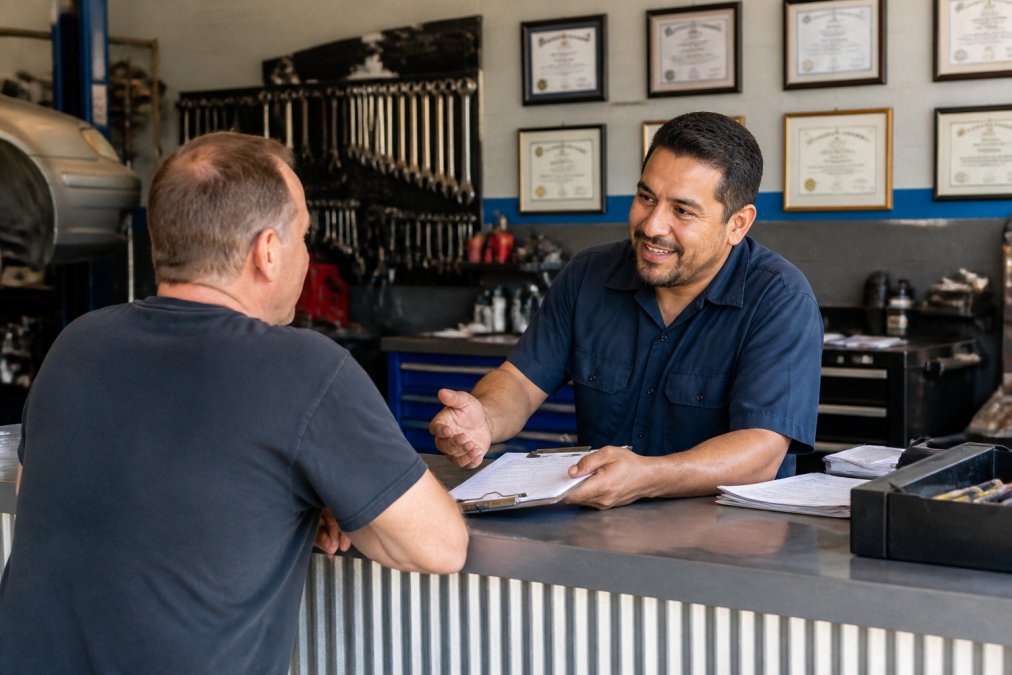
Why Mechanic Selection Matters for Your Vehicle
Your vehicle's performance, safety, and longevity depend directly on repair quality. Choosing the wrong shop results in incomplete diagnostics, unnecessary repairs, or poor work that creates bigger problems. A trustworthy technician explains what's wrong, why it needs fixing, and what it costs before starting work. According to the National Institute for Automotive Service Excellence, technician certification standards exist because vehicle repair quality directly impacts driver safety.
Signs of a Trustworthy Mechanic You Can Rely On
A trustworthy repair facility displays transparency, professionalism, and customer-first practices.
Professional Credentials and Shop Standards
An honest mechanic displays ASE (Automotive Service Excellence) certification, the industry standard for technician competency. Look for shops where technicians hold multiple ASE certifications, particularly in areas relevant to your vehicle. Manufacturer certifications from Toyota, Subaru, or Honda indicate specialized training on those brands.
Shop cleanliness matters. A disorganized shop suggests disorganized work. Professional facilities maintain clean work areas, organize tools systematically, and display customer service policies clearly.
The service advisor should communicate clearly and listen to your concerns. They should explain what the technician found, why repairs are necessary, and provide written documentation of all recommended work.
Transparency in Pricing and Estimates
Honest mechanics provide written estimates before starting work, itemizing labor costs, parts costs, and diagnostic fees separately. The estimate should specify the hourly labor rate and reference industry standard labor time guides.
A written quote prevents misunderstandings about scope and cost. If the mechanic discovers additional issues during diagnostics, they should contact you before proceeding with an updated estimate.
Reputable shops offer warranties on their work, typically 12 months or 12,000 miles for labor. A trustworthy mechanic explains parts warranty differences and lets you choose which parts to use.
Questions to Ask a Mechanic Before Repair Work Begins
Start with: "Can you provide a written estimate before you begin work?" This filters out shops operating without clear pricing.
Ask: "What's your diagnostic process, and how much does it cost?" Diagnostic fees should be clearly stated upfront. Many honest shops apply a portion of the diagnostic fee toward the repair if you proceed.
Request specifics: "Can you show me the part that's failing?" A technician who can point to the problem demonstrates genuine expertise.
Ask about alternatives: "Are there other ways to fix this problem?" Honest mechanics acknowledge multiple solutions exist and explain why they recommend one approach based on reliability and cost.
Diagnostic Transparency and Digital Inspection Reports
Modern repair facilities use digital vehicle inspection (DVI) reports with photographic documentation of problems and recommended repairs. This creates accountability. Request copies of all photos and documentation.
A reasonable diagnostic fee ranges from $75 to $150 depending on complexity. Know the fee before work begins.
ASE Certified Mechanic Near Me: Understanding Certifications
ASE certification is the gold standard for automotive technician credibility. The Automotive Service Excellence organization administers exams across eight specialty areas. An ASE Master Technician has passed all eight exams.
Verification is straightforward. Visit the official ASE certification verification tool to confirm credentials. A shop claiming ASE-certified technicians should welcome this verification.
Beyond ASE: Other Industry Standards
Manufacturer certifications carry significant weight for specialized vehicles. Toyota Certified, Subaru Certified, and Honda Certified technicians have completed brand-specific training. Membership in organizations like the Better Business Bureau suggests accountability and complaint resolution processes.
Auto Repair Warranty: What Coverage Protects You
An auto repair warranty protects you against poor-quality work. Before leaving the shop, you should receive written documentation of coverage and duration.
Parts vs. Labor Warranty Differences
Parts warranties cover the component itself; if a newly installed alternator fails within the warranty period, the shop replaces it at no cost. Labor warranties cover the work performed; if faulty installation causes problems, the shop redoes the work without charging labor again.
Reputable shops typically offer 12-month or 12,000-mile labor warranties. Parts warranties depend on the parts used. Original equipment manufacturer parts often carry manufacturer warranties ranging from 12 months to several years.
Ask specifically: "If this repair fails within the warranty period, what will you do?" The answer should be clear: they'll fix it at no cost.
Vetting Independent Shops vs. Mobile Mechanics
Brick-and-Mortar Shop Advantages
A physical repair facility has invested in diagnostic equipment, lifts, and tools necessary for comprehensive work. They maintain a physical location, creating accountability. They typically employ multiple technicians, so your vehicle isn't delayed if one person is busy. A brick-and-mortar shop can handle complex repairs requiring specialized equipment like wheel alignments, transmission diagnostics, and engine work.
When Mobile Mechanics Make Sense
Mobile mechanics come to your home or workplace, saving time. For routine maintenance, oil changes, filter replacements, and brake pad installation, mobile mechanics can be convenient and cost-effective. However, they're limited by what they can do without a full shop. Complex electrical problems, transmission work, or engine rebuilds require a facility with proper equipment.
The key question: Does the work require specialized equipment? If yes, choose a brick-and-mortar shop. If it's straightforward maintenance, a mobile mechanic might be faster and cheaper.
Red Flags That Signal a Dishonest Mechanic
Pressure Tactics and Unnecessary Upselling
A dishonest mechanic pushes expensive repairs without solid justification using pressure language like "You really should do this now." While some repairs are genuinely urgent, honest mechanics explain urgency with specific reasons, not vague threats.
Upselling is common: a customer comes in for an oil change, and the mechanic recommends new spark plugs, a transmission flush, and fuel system cleaning, none of which the vehicle needs. If a mechanic can't point to a worn component or explain why a repair is necessary, don't authorize the work.
Poor Communication and Hidden Fees
Shops that hide fees or communicate poorly operate without transparency. If your final bill significantly exceeds the estimate, ask why. Legitimate additional charges come from discoveries during repair, but you should be notified before those charges are incurred.
A shop that discourages questions or becomes defensive when you ask for clarification operates without confidence in their practices.
Post-Repair Verification: Confirming Quality Work
After work is completed, verify that the repair solved the problem. Test-drive the vehicle. Does the issue feel resolved? Request the failed parts to confirm a real problem existed and was addressed.
Review the invoice carefully. Verify labor charges match the estimate, parts charges are itemized, and work performed matches what was authorized. Keep all documentation for future reference.
A quality repair should resolve the issue without creating new problems. If new issues arise shortly after repair, contact the shop immediately.
Finding an honest mechanic requires diligence, but the investment pays off through reliable service, fair pricing, and peace of mind. Look for shops with transparent communication, professional certifications, and clear warranty policies. At Speedy Roo Motorsports, we've built our reputation in the Aurora and Denver Metro area by prioritizing honest communication, quality workmanship, and treating every customer with respect. When you need reliable Japanese vehicle repair from technicians who explain their work clearly and stand behind it completely, we're here to help.
Frequently Asked Questions
What are the biggest red flags of a dishonest mechanic?
Watch for mechanics who pressure you into unnecessary repairs, refuse to provide written estimates, won't explain diagnostic findings clearly, or push expensive parts without justification. Dishonest shops often avoid discussing labor rates upfront, dismiss your concerns, and resist giving you the old parts back. If a mechanic becomes defensive when you ask questions or suggest getting a second opinion, that's a warning sign. Honest mechanics welcome transparency and customer involvement in repair decisions.
What certifications should an honest mechanic have?
ASE (Automotive Service Excellence) certification is the gold standard in the United States. Look for ASE-certified technicians who hold credentials in specific areas like engine repair, transmission, or electrical systems. However, ASE certification alone isn't everything, verify it's current, ask how long they've been certified, and check if they have manufacturer-specific training (especially important for Japanese vehicles). A trustworthy mechanic will display their certifications openly and explain what each one means for your vehicle's service.
How can I verify a mechanic's reputation before trusting them with my car?
Start by checking online review platforms like Google, Yelp, and the Better Business Bureau for patterns in customer feedback. Read both positive and negative reviews carefully, honest shops acknowledge and address complaints. Ask for personal referrals from friends, family, or local car forums. Request a small, low-risk repair first to evaluate their communication, cleanliness, and follow-through. Check if they have a physical location you can visit to assess shop organization and professionalism. Finally, verify certifications directly through the ASE website rather than taking their word for it.
What's the difference between a dealership mechanic and an honest independent shop?
Dealerships often have higher labor rates and may push manufacturer-required services that independent shops can perform more affordably. However, dealerships have factory-specific training and access to original equipment manufacturer (OEM) parts. Honest independent mechanics typically offer transparent pricing, personalized service, and flexibility with aftermarket parts. The key difference isn't the location, it's transparency. An honest mechanic, whether at a dealership or independent shop, will explain why work is needed, provide written estimates, discuss parts quality options, and welcome your questions about labor rates and warranty coverage.