 how-to
Subaru Maintenance Service in Aurora: Complete Guide
Table of Contents
- What Subaru Maintenance Service in Aurora Includes
- Subaru Factory Scheduled Maintenance Intervals
- Subaru 30K, 60K, and 90K Mile Service Costs Explained
- Finding the Best Independent Subaru Mechanic in Aurora
- Critical Subaru Maintenance Services You Cannot Ignore
- Colorado and Aurora-Specific Wear Factors
- Why Preventative Maintenance Protects Your Vehicle Longevity
- Frequently Asked Questions
Last Updated: August 6, 2026
What Subaru Maintenance Service in Aurora Includes
Subaru maintenance service in Aurora involves comprehensive care that keeps your vehicle running reliably for years. At Speedy Roo Motorsports, we understand that preventative maintenance protects your vehicle longevity and prevents costly repairs down the road. Routine upkeep addresses the systems that matter most: your engine, transmission, brakes, and drivetrain.
Routine Maintenance Services
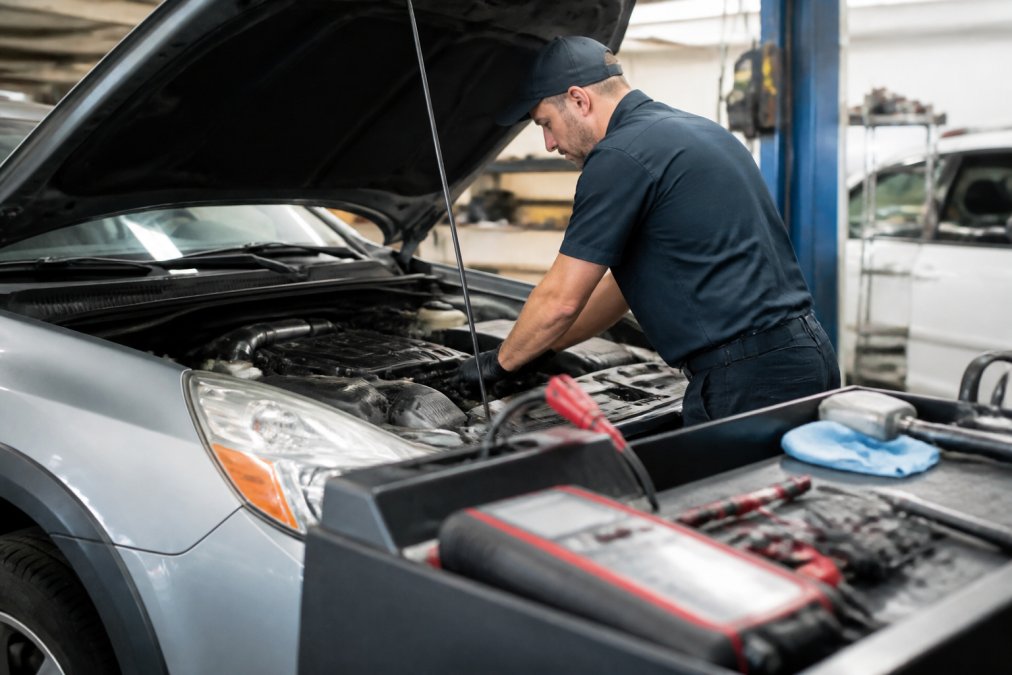
Routine maintenance services form the foundation of vehicle care. Oil changes represent the most frequent task, fresh oil lubricates engine components, removes contaminants, and regulates temperature. Most Subarus require synthetic oil changes every 6,000 miles or six months. Tire rotation ensures even wear and extends tire life. Wheel alignment corrects angles that drift over time, preventing uneven wear and steering problems. Cabin air filter replacement keeps your interior air clean and your HVAC system functioning properly. Battery testing ensures your electrical system remains reliable, especially important in Colorado's temperature extremes.
Engine Diagnostics and Repair
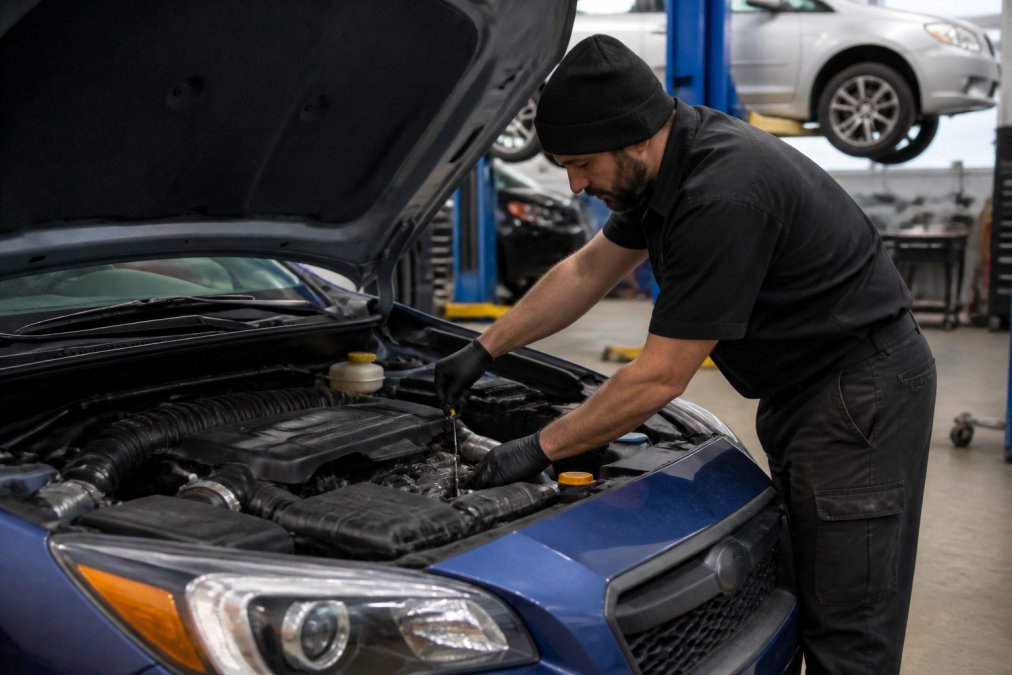
Engine diagnostics identify problems before they become expensive failures. Modern Subarus rely on onboard diagnostic systems that communicate with specialized scan tools, revealing issues that symptoms alone might miss. Common engine issues include check engine lights triggered by oxygen sensor failures, catalytic converter problems, or fuel system issues. Spark plug service keeps your ignition system firing efficiently. Timing belt replacement is critical, this component synchronizes your engine's valves and pistons, and failure causes catastrophic engine damage. Most Subarus require timing belt replacement between 100,000 and 150,000 miles. Coolant flush service removes old coolant and deposits that accumulate over time, preventing overheating and corrosion.
AWD System Maintenance and Inspection
All-wheel drive systems in Subarus demand specialized attention. Subaru's symmetrical AWD design distributes power across all four wheels, improving traction and stability. Differential service involves draining and replacing differential fluid, which lubricates the gears that transfer power to your wheels. Most Subarus need differential service every 30,000 to 60,000 miles. Drivetrain inspection checks CV joints, axles, and transfer case components for wear and damage. Transmission service and fluid exchange keeps your transmission shifting smoothly. Subaru's CVT or traditional automatic requires clean, fresh fluid to operate properly. Neglecting transmission service accelerates wear and can lead to complete transmission failure, one of the most expensive repairs a vehicle owner faces.
Subaru Factory Scheduled Maintenance Intervals
Subaru factory scheduled maintenance intervals provide a roadmap for keeping your vehicle in top condition. Following these intervals protects your investment and maintains manufacturer warranty coverage.
Understanding Your Owner's Manual Schedule
Your Subaru owner's manual contains the factory-recommended maintenance schedule specific to your model year and engine type. This schedule outlines which services are due at each mileage milestone and distinguishes between maintenance items required for warranty compliance and those recommended for optimal performance. Factory schedules typically progress through intervals at 15,000, 30,000, 60,000, 90,000, 120,000, and 150,000 miles. Each interval specifies which fluids need changing, which filters need replacing, and which systems require inspection. Following the schedule ensures your Subaru receives the specific services it needs at the right time.
Colorado Climate and Maintenance Timing
Colorado's unique climate accelerates certain wear patterns. Cold winters, low humidity, high altitude, and intense UV exposure all impact your Subaru's maintenance needs differently than vehicles in other regions. Winter driving introduces salt and chemical de-icers that corrode undercarriage components. Spring maintenance should include undercarriage washing to remove salt deposits and prevent rust. Summer brings intense UV exposure that degrades rubber seals and exterior trim. Many Aurora drivers find that increasing maintenance frequency, particularly for brake inspections, suspension checks, and fluid changes, extends vehicle life in Colorado's demanding climate.
Subaru 30K, 60K, and 90K Mile Service Costs Explained
Subaru factory scheduled maintenance intervals create natural service milestones. Understanding what's included at each milestone helps you budget and plan ahead.
What's Included at Each Milestone
The 30,000-mile service typically includes oil and filter change, tire rotation, brake pad inspection, and a multi-point inspection of suspension, steering, and drivetrain components. The 60,000-mile service marks a significant checkpoint, usually including transmission fluid change or exchange, spark plug replacement, cabin and engine air filter replacement, and brake system inspection. Many Subarus also require differential service at this milestone. The 90,000-mile service prepares your vehicle for the critical 100,000-mile threshold, including comprehensive fluid checks and changes, suspension inspection, and evaluation of wear items like brake pads and tires.
Why Independent Shops Cost Less Than Dealerships
Independent repair shops like Speedy Roo Motorsports typically charge less than Subaru dealerships for the same services. This price difference reflects operational costs, not quality or expertise. Dealerships maintain manufacturer-certified technician standards and use only genuine Subaru parts, but carry higher overhead costs associated with maintaining franchise agreements. Independent shops reduce overhead by specializing in specific vehicle types, allowing them to simplify operations and pass savings to customers. Both perform the same services using comparable parts and techniques. Many independent shops provide upfront estimates before starting work, explain what they're doing, and discuss options rather than assuming you want the most expensive solution.
Finding the Best Independent Subaru Mechanic in Aurora
Choosing the right mechanic determines whether your Subaru receives quality care or shortcuts that compromise reliability.
What Separates Certified Technicians from General Mechanics
Certified technicians have invested time and effort into formal training and testing. ASE (Automotive Service Excellence) certification requires passing comprehensive exams covering specific vehicle systems. Subaru-specific experience matters tremendously. A technician who has worked on hundreds of Subarus understands the quirks, common failure points, and maintenance requirements unique to these vehicles. A shop that works exclusively on Japanese vehicles, like Speedy Roo Motorsports, which has specialized in Subaru, Toyota, Honda, Nissan, and other Japanese brands since 2002, develops institutional knowledge that benefits every customer.
Multi-Point Inspections and Preventative Maintenance
A comprehensive multi-point inspection examines every major system on your vehicle. A technician walks through your Subaru systematically, checking brakes, suspension, steering, belts, hoses, fluids, lights, and battery. Preventative maintenance catches small problems before they become big ones. A worn belt discovered during inspection can be replaced before it breaks. A fluid leak identified early can be fixed before it damages expensive components. The cost of preventative maintenance is always less than the cost of emergency repair.
Critical Subaru Maintenance Services You Cannot Ignore
Certain services are non-negotiable for vehicle safety and longevity. Skipping these creates serious risk.
Oil Change and Synthetic Fluid Management
Oil changes are the single most important maintenance task. Engine oil lubricates moving parts, removes contaminants, and regulates temperature. Subaru engines require synthetic oil for optimal performance and longevity. Synthetic oil maintains viscosity across temperature extremes better than conventional oil, provides superior protection, and lasts longer between changes. Using the correct oil grade and change interval, typically every 6,000 miles for modern Subarus, ensures your engine receives the protection it needs.
Transmission Service and Drivetrain Integrity
Your transmission is your Subaru's most complex system. It transfers engine power to the wheels through precisely controlled gear ratios. Transmission fluid degrades over time, losing its ability to lubricate and cool transmission components. Regular fluid changes keep your transmission healthy. Most Subarus require transmission fluid service every 30,000 to 60,000 miles. Drivetrain integrity depends on CV joints, axles, and differential components working together. A multi-point inspection identifies wear before failure occurs.
Brake System Inspection and Brake Pad Replacement
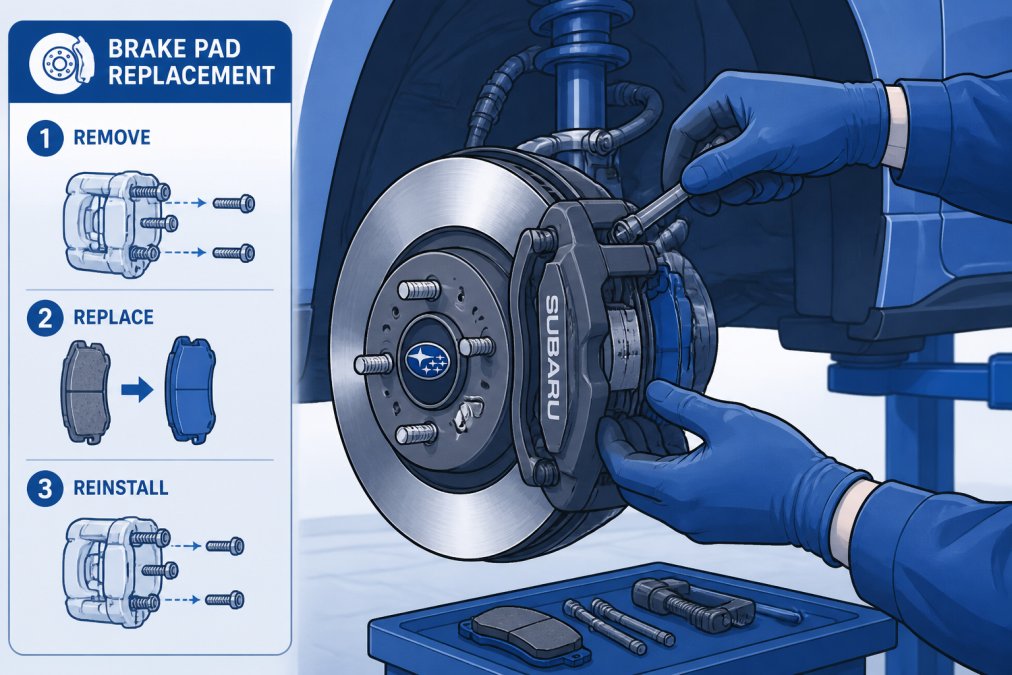
Your brakes are your most critical safety system. Brake pad replacement prevents metal-to-metal contact that damages rotors and reduces stopping power. Brake pads typically last 30,000 to 70,000 miles depending on driving style and conditions. Regular inspection catches thin pads before they damage rotors. Brake fluid also requires attention. Brake fluid absorbs moisture over time, reducing its boiling point and compromising braking performance. Brake fluid flush service every two to three years prevents moisture accumulation and maintains braking reliability.
Timing Belt Replacement and Safety Inspection
Timing belt replacement is expensive but absolutely critical. This rubber belt synchronizes your engine's valves and pistons. When it breaks, your engine stops running immediately. In interference engines, which Subarus have, a broken timing belt causes pistons to strike valves, resulting in catastrophic engine damage. Most Subarus require timing belt replacement between 100,000 and 150,000 miles. Replacing a timing belt on schedule costs several hundred dollars. Replacing an engine after timing belt failure costs several thousand dollars. A comprehensive safety inspection examines all systems affecting vehicle safety: brakes, steering, suspension, lights, tires, and seatbelts.
Colorado and Aurora-Specific Wear Factors
Colorado's climate and geography create unique maintenance challenges that differ from other regions.
Salt, Snow, and Suspension Stress
Winter driving in Colorado introduces salt and chemical de-icers that corrode metal components. Your Subaru's undercarriage, suspension components, and brake lines all face accelerated corrosion. Regular undercarriage washing removes salt deposits before they cause rust and structural damage. Snow-packed roads and potholes stress suspension components. Shock absorbers, struts, control arms, and bushings wear faster in these conditions. A suspension inspection every spring identifies wear before it affects handling or safety. Brake system wear accelerates in winter driving due to frequent braking on snow and ice, combined with salt exposure.
Altitude and Engine Performance
Denver and Aurora sit at 5,280 feet elevation. The thinner air at altitude affects engine performance and cooling system efficiency. Your engine produces less power at altitude because there's less oxygen available for combustion. The cooling system works harder at altitude to dissipate engine heat. Coolant becomes more critical for preventing overheating. Regular coolant flushes prevent corrosion and ensure your cooling system operates efficiently. Battery performance also suffers at altitude and in cold temperatures, requiring more frequent testing.
Why Preventative Maintenance Protects Your Vehicle Longevity
Preventative maintenance is the difference between a Subaru that lasts 150,000 miles and one that lasts 250,000 miles. Every service interval exists because Subaru engineers identified wear patterns and determined when intervention prevents problems. Following your factory scheduled maintenance intervals demonstrates to potential buyers that your vehicle received proper care, increasing resale value and giving buyers confidence in your Subaru's reliability. Beyond financial benefits, preventative maintenance provides peace of mind. You know your vehicle is safe, reliable, and unlikely to break down unexpectedly.
Keeping your Subaru running reliably in Aurora requires understanding what services matter and when they're needed. Speedy Roo Motorsports has served the Denver Metro area since 2002, specializing in Subaru maintenance and repair with certified technicians who understand these vehicles inside and out. From routine oil changes to timing belt replacement, transmission service to brake system inspection, we provide the preventative maintenance that protects your vehicle longevity and keeps you safe on Colorado roads. Contact Speedy Roo Motorsports today for a multi-point inspection and transparent estimate, because quality service shouldn't come with surprises.
| Service | Recommended Interval | Why It Matters |
|---|---|---|
| Oil and Filter Change | Every 6,000 miles | Prevents engine wear and damage |
| Tire Rotation | Every 6,000-7,500 miles | Extends tire life and improves handling |
| Brake Inspection | Every 12,000 miles | Ensures stopping power and safety |
| Transmission Fluid Service | Every 30,000-60,000 miles | Maintains smooth shifting and prevents failure |
| Timing Belt Replacement | 100,000-150,000 miles | Prevents catastrophic engine damage |
| Differential Service | Every 30,000-60,000 miles | Maintains drivetrain integrity and AWD performance |
| Coolant Flush | Every 2-3 years | Prevents overheating and corrosion |
| Battery Testing | Annually | Ensures reliable starting in cold weather |
Frequently Asked Questions
Should I always get my Subaru serviced at an Aurora dealership?
No. A certified independent mechanic in Aurora can provide the same quality service at lower cost. The key difference is expertise and equipment, not the dealership badge. Look for shops that specialize in Subaru maintenance, offer multi-point inspections, and stand behind their work with a warranty. Many Aurora independent shops have decades of experience and use OEM parts, delivering preventative maintenance that matches or exceeds dealership quality without the markup.
What should I expect to pay for Subaru factory scheduled maintenance intervals?
Costs vary based on your vehicle's age, mileage, and specific service needs. At 30K miles, expect routine items like oil changes and filter replacements. At 60K miles, transmission service and fluid exchange become relevant. At 90K miles, more comprehensive work like timing belt inspection may apply. Independent shops typically charge 30-50% less than dealerships for the same services. Contact a local Aurora shop for a transparent estimate based on your Subaru's current condition and service history.
Why is routine maintenance critical for Subaru Symmetrical All-Wheel Drive?
Subaru's AWD system distributes power across all four wheels, which means every component from the transmission to the differential works harder than in front-wheel-drive vehicles. Neglecting transmission service, differential fluid changes, or tire rotation can cause uneven wear and drivetrain stress. Preventative maintenance keeps your AWD system balanced and responsive, protecting your vehicle's longevity and performance in Colorado's varied terrain. A certified technician should inspect your drivetrain at every service interval.
Is the Subaru 60,000-mile service worth the investment?
Yes. The 60K service typically includes transmission fluid exchange, coolant flush, and spark plug inspection, all critical for vehicle longevity. Skipping this milestone service can lead to expensive transmission repairs or engine diagnostics later. The cost of preventative maintenance at 60K is a fraction of what you'd pay for major repairs. Independent shops can perform this service at competitive rates while ensuring warranty compliance and safety inspection standards.