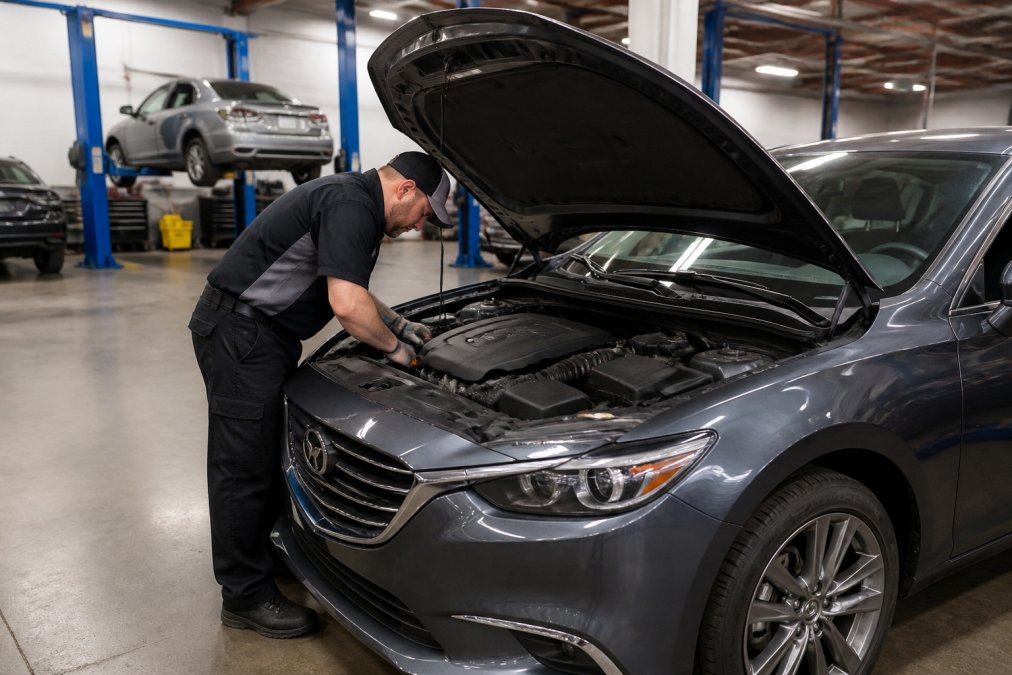
 how-to
Mazda Repair Shop Near Denver: Your Complete Guide
Table of Contents
- Why Choose a Specialized Mazda Repair Shop Near Denver
- Understanding Your Mazda Maintenance Schedule
- Independent Mazda Mechanic vs Dealership: What You Need to Know
- How to Check a Mechanic's Reputation and Credentials
- Common Mazda Repair Issues and Solutions
- What to Expect During Your First Visit
- Frequently Asked Questions
Last Updated: August 12, 2026
Why Choose a Specialized Mazda Repair Shop Near Denver
Finding the right place to service your Mazda matters because these vehicles have distinct maintenance requirements, electrical architecture, and performance characteristics that demand specialized knowledge. A Mazda repair shop near Denver that understands your vehicle's specific engineering delivers better results than a generalist shop.
When your check engine light comes on, a shop that knows Mazda's emission systems and powertrain architecture can pinpoint the issue faster and recognize problems that a technician seeing their first Mazda might miss entirely. Speedy Roo Motorsports has built its reputation on exactly this kind of specialization. Since 2002, the team has focused on Japanese automobiles, including Mazda, and that depth matters when your car needs serious work.
Specialized shops maintain genuine components and understand factory specifications. They know which service intervals matter most for longevity, which fluids your specific Mazda model requires, and how to perform preventative maintenance that actually prevents problems. That's the difference between a shop that fixes things and a shop that keeps them from breaking in the first place.
Understanding Your Mazda Maintenance Schedule
Your Mazda maintenance schedule isn't arbitrary. It's engineered based on how Mazda vehicles operate, the stress points in the engine and transmission, and the intervals where preventative maintenance stops small problems from becoming expensive failures. Following the schedule your owner's manual specifies protects your warranty, maintains resale value, and keeps your car running reliably.
Most Mazda owners don't realize how much their driving habits affect maintenance timing. The schedule in your manual gives you two paths: normal maintenance intervals and severe driving intervals. Severe conditions, frequent short trips, towing, dusty environments, or stop-and-go commuting, compress those intervals. A shop that understands this difference won't just follow a generic schedule; they'll adjust recommendations based on how you actually drive.
Service Intervals by Mileage
Your Mazda's critical service points cluster around specific mileage markers. At 15,000 miles, your first oil change and filter replacement should happen, along with a tire rotation. By 30,000 miles, you're looking at cabin air filter replacement and another rotation. The cabin air filter traps pollen, dust, and contaminants; a clogged filter reduces HVAC efficiency.
The 60,000-mile mark is where preventative maintenance becomes critical. This is when many shops recommend your first transmission fluid exchange, spark plug inspection, and a comprehensive vehicle health inspection. Your serpentine belt should be examined for cracks or wear, and brake pad thickness should be measured.
By 100,000 miles, timing belt service becomes relevant for some Mazda models. Check your owner's manual; some models require timing belt replacement at 105,000 or 110,000 miles. This isn't optional. A timing belt failure can damage your engine. Around this same interval, coolant flush service and transmission fluid exchange should be completed if not already done.
Common Mazda Maintenance Services
Oil changes and synthetic oil cycles form the foundation of engine protection. Tire pressure monitoring system checks ensure your tires maintain correct pressure; underinflated tires wear faster and reduce fuel economy. Wheel alignment prevents uneven tire wear and keeps your steering responsive.
Brake system inspection happens at every service. Your brake pads, rotors, and brake fluid condition determine stopping power. Coolant flush service removes contaminants that accumulate over time, protecting your cooling system from corrosion. Fuel system cleaning removes deposits from fuel injectors, improving combustion efficiency and fuel economy.
Electrical system troubleshooting addresses everything from battery health to alternator output to sensor function. Modern Mazdas rely on dozens of sensors feeding data to the engine control module. When one fails, your check engine light comes on and performance suffers.
Independent Mazda Mechanic vs Dealership: What You Need to Know
The choice between an independent shop and a dealership shapes your repair experience and what you pay. Dealerships employ factory-trained technicians with access to technical service bulletins and genuine components. If your Mazda is under powertrain warranty, dealership service keeps that warranty valid. But dealerships charge premium rates and operate on volume.
Independent shops like Speedy Roo Motorsports build their business on relationships. You're not a ticket number; you're a customer they see regularly. Independent technicians often have deeper experience across multiple model years and can diagnose problems faster. They typically charge less than dealerships because they have lower overhead.
Cost Comparison and Transparency
The cost difference between independent shops and dealerships is real. Dealerships charge more per labor hour, sometimes significantly more. However, dealership technicians might complete the same job faster because they work on the same models constantly, which can offset some of the hourly difference.
A good independent shop gives you a written estimate before starting work, explains what they found during inspection, and calls you if additional issues emerge. They show you the worn parts they removed. Genuine components cost more at dealerships than aftermarket parts at independent shops, but the difference isn't dramatic for quality components.
Equipment and Diagnostic Capabilities
Modern Mazda vehicles require sophisticated diagnostic equipment. Dealerships have factory-specific diagnostic equipment programmed for every Mazda model year. Independent shops that specialize in Japanese automobiles invest in quality diagnostic scan equipment that handles Mazda vehicles specifically.
A tire pressure monitoring system warning light could indicate a sensor failure, low tire pressure, or a communication problem between sensors and the module. Proper diagnostics requires equipment that can read all sensor data in real time. Speedy Roo Motorsports has invested in the diagnostic equipment necessary to handle modern Mazdas. When your check engine light comes on, they scan the system, interpret the diagnostic trouble codes, and determine what actually failed.
How to Check a Mechanic's Reputation and Credentials
Before you trust your Mazda to any shop, verify they actually know what they're doing. Reputation and credentials matter because they predict quality and reliability.
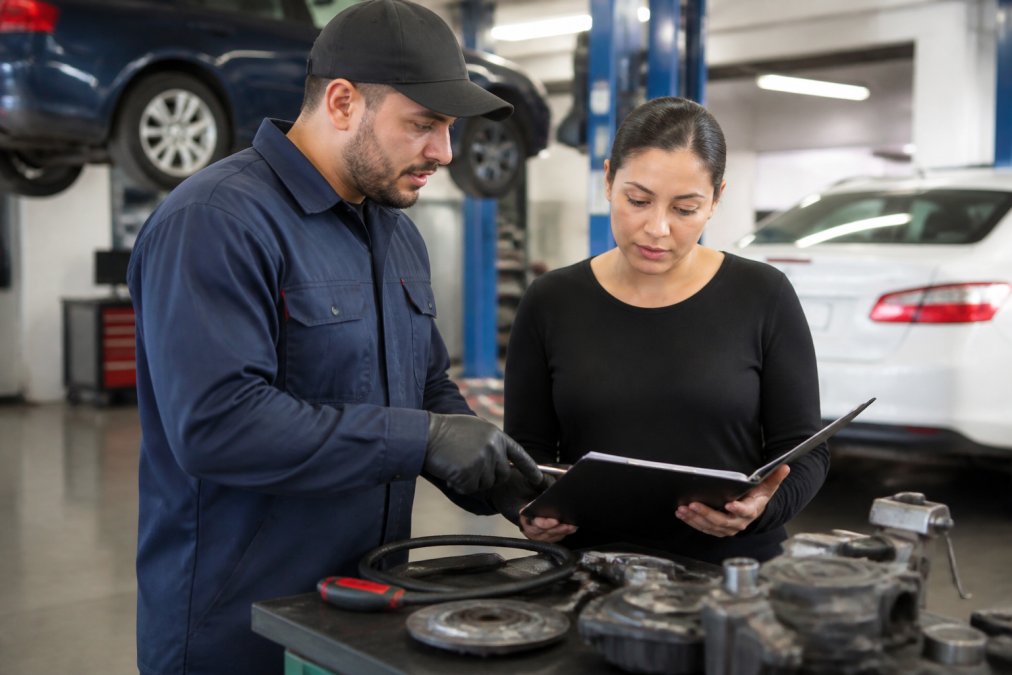
Verifying Certifications and Experience
Factory-trained technicians carry certifications from manufacturers or from organizations like ASE (Automotive Service Excellence). ASE certification means the technician passed rigorous exams covering specific systems. A shop where multiple technicians hold ASE certification signals serious commitment to quality.
Ask how long the shop has been in business and whether they specialize in your vehicle's brand. A shop that's worked on Mazda vehicles for two decades has seen every common failure pattern. Speedy Roo Motorsports' 20-plus years specializing in Japanese automobiles means the team understands Mazda reliability and maintenance needs at a depth that matters.
Reading Reviews and Service History
Online reviews from actual customers reveal patterns. Multiple reviews mentioning poor communication or incomplete repairs indicate a real problem. Read reviews carefully; look for specific details about what customers appreciated or disliked. A shop with 4.8-star rating from 200+ recent reviews has earned that reputation through consistent performance.
Service history matters because it shows continuity. If a shop has maintained a customer's vehicle for five years, that's powerful evidence they do good work. Customers don't stay with shops that disappoint them. Ask the shop if they can provide references.
Speedy Roo Motorsports has built trust across the Denver Metro area because customers return. The team's reputation for honest communication and quality work means owners of Japanese vehicles know what to expect: reliable service, transparent pricing, and technicians who actually know their cars.
Common Mazda Repair Issues and Solutions
The check engine light often indicates oxygen sensor failure. Your oxygen sensors monitor exhaust composition to optimize fuel mixture. When one fails, your engine runs rich or lean, and fuel economy drops. Proper diagnostics confirms which sensor failed, and replacement is straightforward.
Transmission issues sometimes emerge around 80,000-120,000 miles. Transmission fluid breakdown causes sluggish shifts or delayed engagement. A transmission fluid exchange at the manufacturer's recommended interval prevents this.
Suspension components wear over time. Struts, control arm bushings, and tie rods eventually fail. You'll notice clunking sounds over bumps, pulling to one side, or a spongy steering feel. A shop performing suspension repair should include wheel alignment afterward.
Electrical system problems often trace back to battery health or alternator output. Proper diagnostics measures both battery voltage and alternator output, identifying which component failed.
Brake system wear is predictable. Your brake pads have a lifespan; they'll wear out. Preventative maintenance catches these issues before brake performance suffers.
What to Expect During Your First Visit
Your first appointment at a new repair shop sets the tone for the relationship. When you arrive, the service advisor greets you and asks about your vehicle's history and current concerns. Bring your owner's manual and service records if you have them.
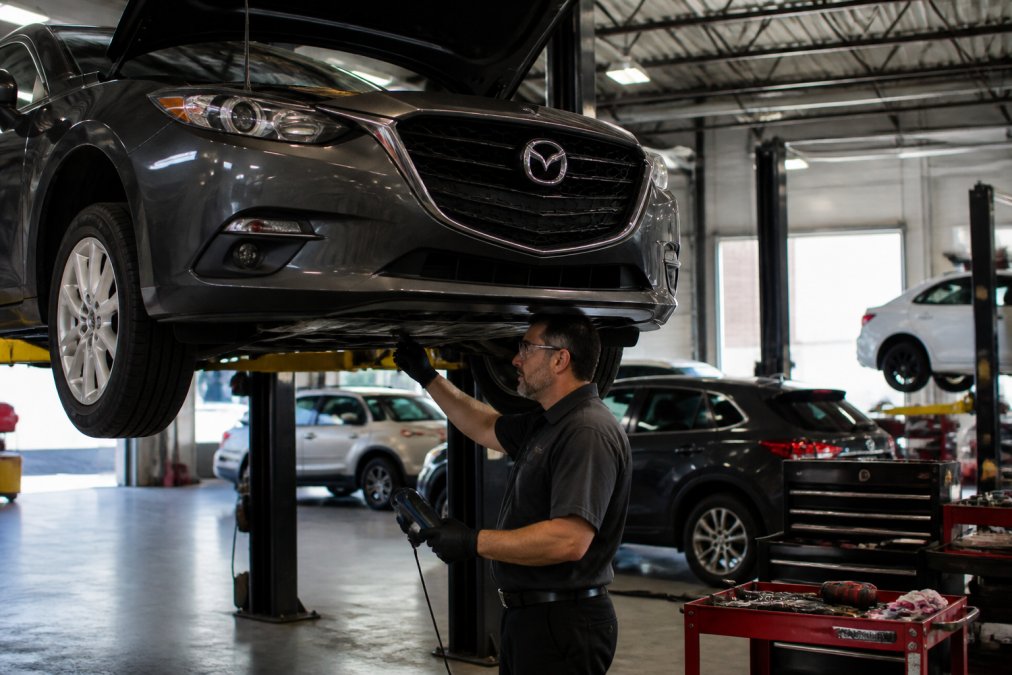
The technician performs a vehicle health inspection, a systematic check of fluid levels, belt condition, brake pad thickness, tire tread depth, and suspension components. The inspection includes a test drive to feel how the vehicle handles and listen for noises. The diagnostic scan tool connects to your vehicle's computer, reading any stored diagnostic trouble codes and sensor data.
The service advisor calls you with findings and recommendations. A good shop explains what they found, why it matters, and what happens if you don't address it. They provide a written estimate with labor hours, parts costs, and total price. They ask your permission before proceeding and don't pressure you into unnecessary work.
During service, your vehicle stays in the shop. The technician performs the work, checking quality at each step. When finished, the service advisor walks you through what was completed and explains the results.
Choosing the right Mazda repair shop near Denver comes down to finding technicians who understand your vehicle, communicate honestly, and stand behind their work. Speedy Roo Motorsports has spent over two decades building exactly that kind of reputation. The team's expertise in Japanese automobiles, commitment to transparent communication, and focus on preventative maintenance means your Mazda receives the specialized care it deserves. When you're ready to experience the difference that genuine expertise makes, Speedy Roo Motorsports delivers reliable service you can trust.
Frequently Asked Questions
How often should I service my Mazda?
Most Mazda vehicles require scheduled maintenance every 6 months or 6,000 miles, whichever comes first, for the first year, then typically every 10,000 miles after that. Your specific maintenance schedule depends on your model year and driving habits. Consult your owner's manual or ask your mechanic to create a personalized preventative maintenance plan based on your mileage and usage patterns.
Is it better to take my Mazda to a dealership or an independent Mazda mechanic?
An independent Mazda mechanic often provides better value while delivering the same quality of work. Factory-trained technicians at independent shops have the diagnostic scan tools and expertise to handle any Mazda model, often at lower labor rates than dealerships. Independent shops also tend to offer more transparent communication about repairs and faster turnaround times, making them ideal for daily commuters who can't afford extended downtime.
What should I look for when checking a mechanic's reputation?
Verify that technicians hold relevant certifications, ask about their experience with your specific Mazda model, and review customer feedback on independent platforms. A reputable shop will provide references, show examples of previous work, and offer a clear warranty on repairs. Ask how long they've been in business and whether they use genuine components or quality aftermarket parts for your vehicle health inspection and repairs.
Are Mazda cars expensive to repair?
Mazda repair costs are generally moderate compared to other brands. Routine maintenance like synthetic oil changes, brake pad replacement, and cabin air filter service are affordable. Larger repairs depend on the specific issue and your vehicle's mileage. Independent shops typically charge less than dealerships for the same work while maintaining the same quality standards and using genuine components or equivalent alternatives.