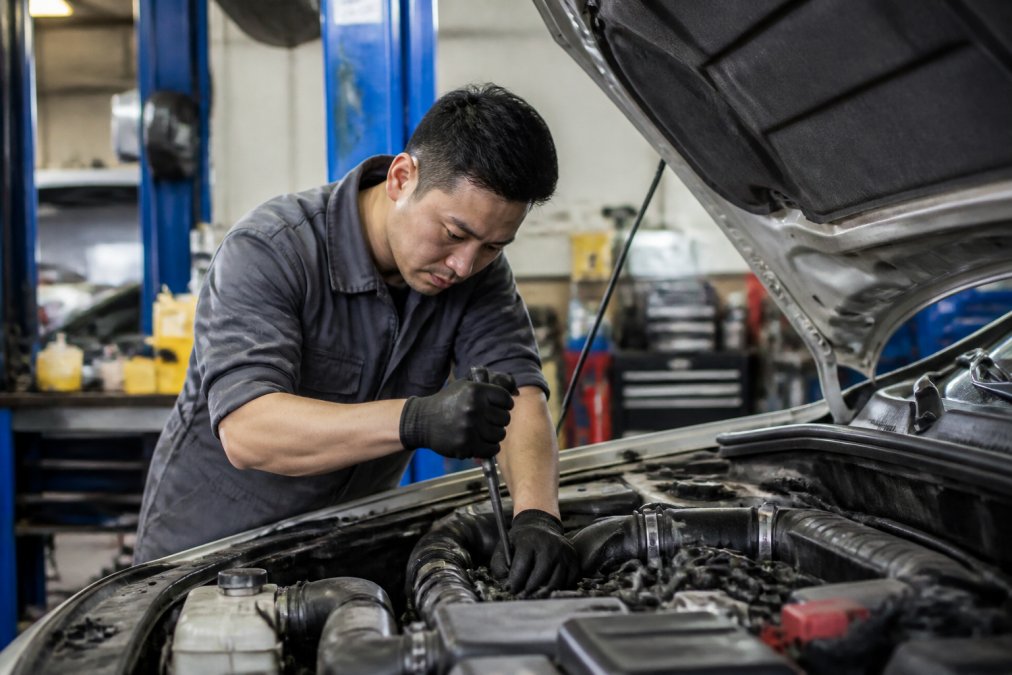
 how-to
How to Find a Reliable Japanese Car Mechanic
Table of Contents
- Why Specialization Matters for Japanese Vehicles
- Independent Shops vs. Dealership Repair
- Key Certifications and Credentials to Verify
- Signs of a Trustworthy Auto Repair Shop
- Questions to Ask a Mechanic Before Service
- Evaluating Reputation and Customer Satisfaction
- What to Expect During Your First Visit
- Frequently Asked Questions
Last Updated: August 18, 2026
Why Specialization Matters for Japanese Vehicles
Japanese automobiles have unique engineering characteristics that demand specific expertise. Subaru's symmetrical all-wheel drive systems, Toyota's hybrid technology, Honda's precision manufacturing standards, and Nissan's electronic control systems all require technicians trained in their particular architectures. A mechanic who specializes in Japanese vehicles understands these nuances in ways a generalist cannot replicate.
When you take a Lexus with transmission issues or an Infiniti with luxury electronics to a shop that treats all imports the same, you're gambling with accuracy. Specialized shops maintain OEM parts inventories, keep factory-trained technicians on staff, and invest in diagnostic equipment calibrated for Japanese brands specifically. A specialist also knows preventative maintenance schedules specific to each brand, Subaru timing belts need replacement at different intervals than Toyota engines, and Acura's service requirements diverge from Honda's despite shared parent company engineering. This specificity prevents catastrophic failures. Over time, you'll avoid expensive mistakes from misdiagnosis or incorrect parts, making the slightly higher per-service cost worthwhile.
Independent Shops vs. Dealership Repair
Dealerships offer factory training and OEM parts guarantees. Independent shops offer transparency and typically faster turnaround. The choice depends on your priorities and your vehicle's condition.
Dealership repair centers employ manufacturer-trained technicians, stock genuine OEM parts, and maintain factory-authorized service protocols. If your vehicle is under warranty, dealership service protects that coverage. Their diagnostic equipment connects directly to manufacturer databases, and they have access to the latest software updates and technical bulletins, critical for luxury imports like Lexus or Infiniti with complex electronic systems.
The trade-off is cost and convenience. Dealerships typically charge higher labor rates, appointment availability stretches weeks, and you're without your vehicle for extended periods. For routine maintenance, these inefficiencies accumulate quickly.
Independent shops specializing in Japanese vehicles invest in quality diagnostic equipment because their entire business depends on accurate troubleshooting. They build relationships with parts suppliers, often sourcing OEM components at better rates than dealerships, and maintain flexible scheduling. Their technicians frequently have dealership backgrounds, bringing factory training to an independent setting.
The catch: you lose manufacturer warranty protection. However, most independent shops offer their own warranties on labor and parts. For vehicles outside warranty periods, this distinction matters less. Many Japanese vehicle owners use both strategically: dealership service for warranty work, independent specialists for routine maintenance and repairs outside warranty scope.
Key Certifications and Credentials to Verify
ASE certification represents the automotive industry's gold standard for technician credentials. The National Institute for Automotive Service Excellence administers rigorous testing across multiple specialties: engine repair, transmission, brakes, suspension, electrical systems, and more. When evaluating a reliable Japanese car mechanic in Aurora, ask which ASE certifications the lead technician holds. A shop with multiple ASE-certified staff members signals serious commitment to professionalism.
Beyond ASE certification, look for manufacturer-specific training. Toyota, Honda, and Subaru offer specialized courses on their systems. Independent shops that pursue these certifications demonstrate dedication to staying current with brand-specific technology. State licensing requirements vary, but verify that the shop holds a business license and carries liability insurance. Ask about their insurance coverage, it protects you if something goes wrong.
Look for shops that participate in professional organizations like the National Automobile Dealers Association or independent repair networks. These memberships indicate accountability and access to ongoing technical training. Certifications require renewal through continuing education, so ask when credentials were last renewed. A shop that can't answer this question isn't tracking its own qualifications carefully.
Signs of a Trustworthy Auto Repair Shop
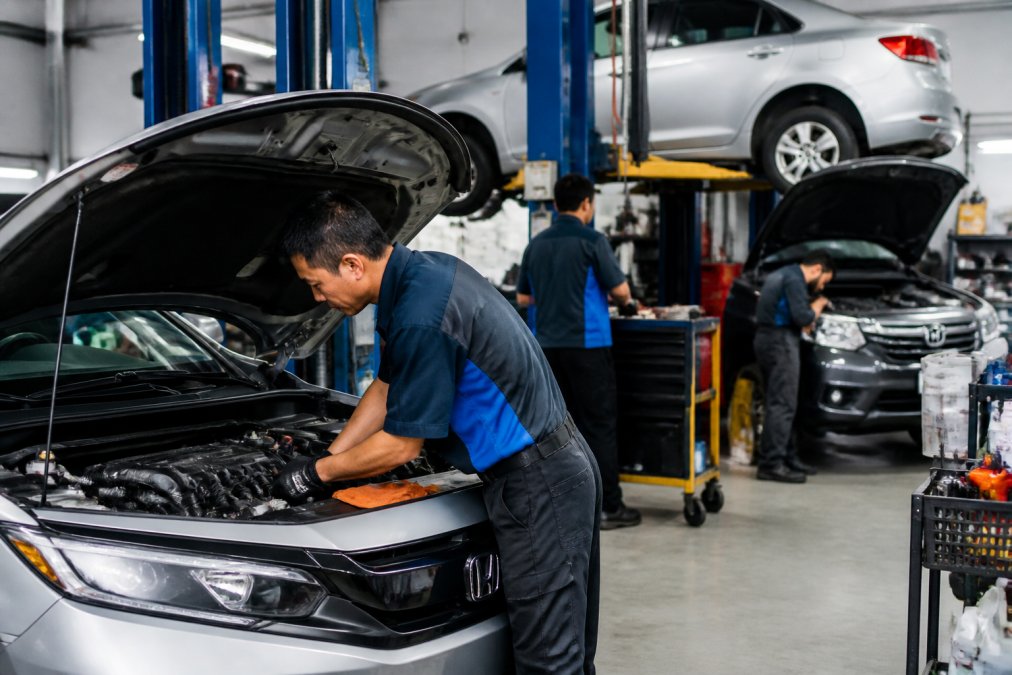
A trustworthy shop operates with complete transparency about pricing and timeline. Before work begins, you should receive a written estimate that breaks down labor costs, parts costs, and expected completion time. The estimate should specify which parts are OEM versus aftermarket. If the repair scope changes during service, the shop contacts you immediately with an updated estimate.
The physical facility tells you something. Is it clean and organized? Are tools properly stored? Is diagnostic equipment modern and well-maintained? A shop that maintains its workspace takes pride in its work. Communication patterns matter enormously, when you call with questions, does the shop answer promptly? During service, do they update you on progress? A reliable shop treats communication as part of the service.
Customer reviews reveal patterns. Read reviews on Google, Yelp, and industry-specific sites. Look for consistent themes rather than isolated complaints. Pay attention to how the shop responds to negative reviews; defensive responses suggest they don't take feedback seriously. Ask about their warranty policy explicitly. What labor warranty do they offer? Typically, shops guarantee their work for 30 days or 1,000 miles. What parts warranty do they provide?
A trustworthy shop never pressures you into unnecessary service. If they recommend a repair, they should explain why it's needed, what happens if you defer it, and the timeline. A shop that respects your decision-making autonomy builds trust.
Questions to Ask a Mechanic Before Service
Before committing to service, ask about their experience: "How many Subarus/Lexus/Hondas have you serviced?" A shop specializing in Japanese vehicles should have substantial experience with your specific brand. Ask about their diagnostic process: "How do you approach diagnosing this issue?" A competent mechanic explains their methodology and which tests they'll run.
Clarify parts sourcing: "Will you use OEM parts or aftermarket components?" Ask about the difference in cost and warranty coverage. Understand their timeline: "How long will this repair take?" Get specific and ask if they'll call with updates. Ask about warranty and guarantees: "What's your warranty on this repair?" Get the answer in writing.
Inquire about their equipment: "What diagnostic equipment do you use?" Modern shops use computerized diagnostic systems that connect to vehicle databases. For Japanese vehicles with sophisticated electronics, this matters significantly. Ask about their communication style: "How will you keep me updated during the service?" Finally, ask directly: "Can you provide references from customers with vehicles similar to mine?"
Evaluating Reputation and Customer Satisfaction
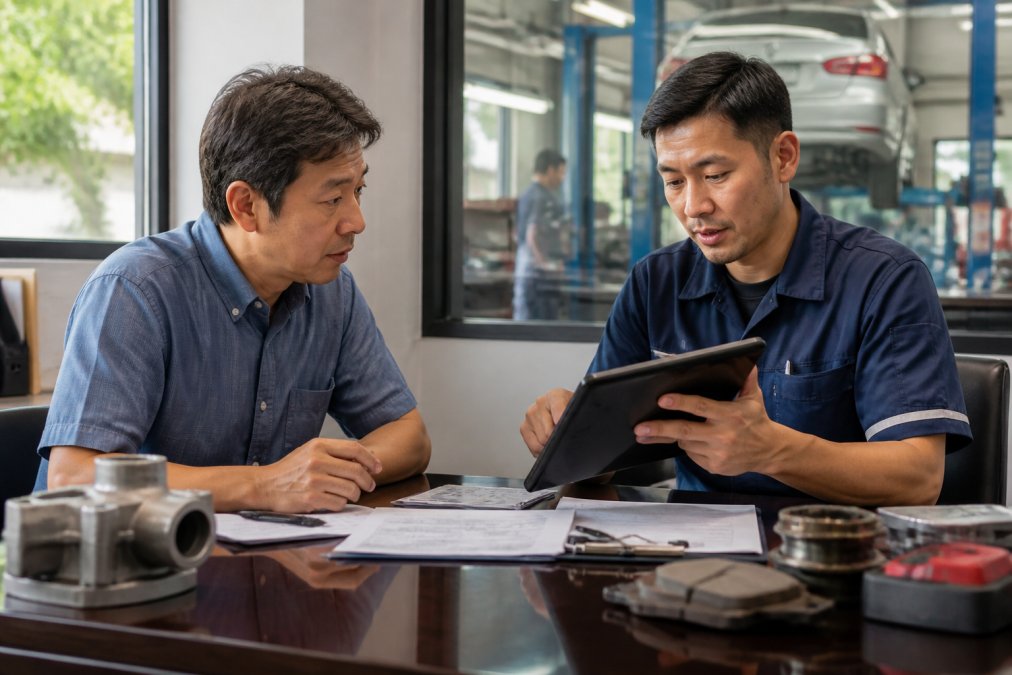
Online reviews form the foundation of reputation evaluation. Google Reviews, Yelp, and industry-specific platforms like Angie's List provide different audience perspectives. A shop with consistently high ratings across multiple platforms has earned genuine credibility. Look beyond the star rating to the actual review content. Positive reviews should reference concrete experiences: "They diagnosed my transmission problem accurately and explained the repair clearly." Negative reviews matter too, do they describe legitimate problems or unrealistic expectations?
Response patterns matter. Does the shop respond to reviews, both positive and negative? A shop that thanks customers for positive feedback and addresses concerns in negative reviews demonstrates accountability.
Ask the shop directly for references. A confident shop provides names of customers who've had similar work done. Local reputation carries weight in communities like Aurora. Word-of-mouth recommendations from friends, family, or coworkers who've used the shop provide trusted perspective. Consider how long the shop has been in business. Longevity suggests customer satisfaction and financial stability.
What to Expect During Your First Visit
Your first visit to a new repair shop sets expectations for future interactions. Arrive early to understand the facility layout and meet the staff. A professional shop has a clean waiting area, clear signage, and staff who greet you promptly.
The intake process should be thorough. Be specific about problems: "The transmission hesitates when accelerating" provides more useful information than "something feels wrong." Bring your service records if available. During the diagnostic phase, the shop may keep your vehicle for several hours. Modern diagnostics require connecting to the vehicle's computer systems and running tests. Expect to wait or arrange transportation.
Once diagnostics are complete, the shop should contact you with findings and recommendations. This is when questions matter. Ask them to clarify anything you don't understand. The written estimate should itemize labor hours, parts costs, and any additional charges. Review it carefully and ask why anything seems unclear or unexpectedly expensive.
Once you approve the estimate, service begins. Expect updates if complications arise. A shop that discovers additional issues during service should contact you before proceeding with extra work. When your vehicle is ready, the shop should explain what they did, show you any replaced parts, and provide documentation. Ask about maintenance going forward. Before leaving, confirm the warranty coverage in writing.
| Evaluation Criteria | What to Look For | Red Flags |
|---|---|---|
| Certifications | ASE-certified technicians, current credentials | Expired certifications, vague credentials |
| Communication | Clear estimates, regular updates, explanations | Vague pricing, poor responsiveness |
| Facility | Clean, organized, modern equipment | Cluttered, outdated tools, poor maintenance |
| Transparency | Itemized estimates, parts sourcing clarity | Hidden charges, pressure tactics |
| Reviews | Specific positive feedback, responsive to criticism | Vague praise, defensive responses |
| Warranty | Written guarantees on labor and parts | No warranty, unclear coverage |
Finding a reliable Japanese car mechanic in Aurora means prioritizing specialization, transparency, and proven expertise. A shop that invests in ASE certification, maintains quality diagnostic equipment, and communicates clearly about pricing and timeline deserves your trust. Speedy Roo Motorsports exemplifies this standard, with more than two decades of specialized experience with Japanese vehicles, and a commitment to treating customers with respect and honesty. When you need service for your Subaru, Toyota, Lexus, Honda, Acura, Nissan, Infiniti, Mitsubishi, or Mazda, choosing a specialist who stands behind their work protects both your vehicle and your peace of mind. Start by checking certifications and reviews, ask detailed questions before committing to service, and trust shops that prioritize your understanding and satisfaction over quick profits.
Frequently Asked Questions
What certifications should a reliable Japanese car mechanic have?
Look for ASE certified technicians, which demonstrates they've passed rigorous testing on automotive repair and maintenance. Many specialized shops employ factory-trained technicians who have completed manufacturer-specific training for brands like Subaru, Toyota, Honda, and Nissan. Certifications show a mechanic has met industry standards and stays current with evolving vehicle technology, particularly important for newer Japanese imports with advanced diagnostic systems.
How do I know if a repair shop uses quality parts?
Ask directly whether they use OEM parts or aftermarket components, and request transparency on parts sourcing. A trustworthy shop will explain the difference and let you choose based on your needs and budget. Request itemized estimates that specify part brands and origins. Shops that hide parts sourcing or pressure you toward unmarked components are red flags. Quality shops are proud of their parts choices and document them clearly.
Are independent shops better than dealerships for Japanese car maintenance?
Independent shops often provide competitive advantages: lower labor rates, faster appointment availability, and personalized attention. Dealerships excel at warranty coverage and factory-specific recalls. Independent shops specializing in Japanese vehicles offer the expertise of dealerships without premium pricing. The key is finding an independent shop with ASE certified technicians, proper diagnostic equipment, and proven experience with your specific vehicle model and maintenance needs.
How long should routine maintenance appointments take?
Basic services like oil changes and fluid flushes typically take 30 minutes to an hour. Comprehensive vehicle inspections and brake service usually require 1-2 hours. Transmission repair or timing belt replacement can take several hours depending on complexity. Ask the shop for a time estimate upfront and confirm their turnaround expectations. Reliable shops provide accurate timelines so you can plan accordingly and aren't left stranded waiting for your vehicle.