 how-to
Affordable Nissan Maintenance: A Complete Guide
Table of Contents
- Why Regular Nissan Maintenance Matters
- Nissan Service Intervals: What Your Owner's Manual Says
- Independent vs. Dealership Auto Repair: Where You Save Money
- Common Nissan Repair Issues and Warning Signs
- How to Choose a Reliable Mechanic for Your Nissan
- DIY Maintenance Tasks You Can Handle Yourself
- Keeping Your Nissan Reliable Long-Term
- Frequently Asked Questions
Last Updated: August 11, 2026
Why Regular Nissan Maintenance Matters
Neglecting preventative maintenance on your Nissan is like ignoring warning lights on your dashboard, eventually, small problems become expensive repairs. Regular maintenance keeps your vehicle running smoothly, preserves its resale value, and prevents breakdowns that leave you stranded. At Speedy Roo Motorsports, we've seen countless owners face five-figure repair bills that could have been prevented with basic scheduled service.
The relationship between maintenance intervals and long-term reliability is straightforward: consistent care extends engine life, protects transmission performance, and keeps safety systems functioning. When you skip oil changes or ignore brake inspections, you're accelerating wear on critical components. A vehicle that receives factory-scheduled maintenance typically lasts 50,000 to 100,000 miles longer than one that doesn't.
Think of preventative care as an investment with measurable returns. Spending money on routine service now means avoiding catastrophic failures later. Your Nissan's owner's manual exists for a reason, it maps out exactly what your vehicle needs and when. Following that roadmap is the most reliable way to keep your car dependable.
Nissan Service Intervals: What Your Owner's Manual Says
Your Nissan's owner's manual contains the factory-scheduled maintenance intervals that Nissan engineers designed specifically for your vehicle's engine, transmission, and drivetrain. These intervals aren't arbitrary, they're based on years of engineering data about how long components last under normal driving conditions.
Nissan typically recommends service intervals at 3,000 to 10,000 miles, depending on your model year and driving conditions. Vehicles driven in severe conditions (frequent towing, dusty environments, extreme temperatures) may need more frequent service. The distinction matters because severe driving puts extra stress on engine oil, transmission fluid, and cooling systems.
Oil Changes and Fluid Exchanges
Regular oil changes are the foundation of engine health. Your oil lubricates moving parts, reduces friction, and carries away contaminants that accumulate during combustion. Over time, oil breaks down and loses its protective properties, continuing to drive on degraded oil accelerates engine wear.
Most modern Nissans use synthetic or semi-synthetic oils that last longer than conventional oil. Synthetic oil typically allows for longer intervals between changes, often 7,500 to 10,000 miles, while conventional oil requires changes every 3,000 to 5,000 miles. Check your owner's manual for your specific vehicle's recommendation.
Beyond oil, transmission fluid, coolant, and brake fluid all require periodic replacement. Transmission fluid breaks down over time and loses its ability to protect transmission components. Coolant degrades and becomes less effective at preventing corrosion inside your cooling system. Brake fluid absorbs moisture from the air and can compromise braking performance if not replaced regularly. These fluid exchanges aren't optional, they're essential preventative maintenance that keeps your Nissan reliable.
Brake Inspection and Tire Rotation
Your braking system is a safety-critical component that requires regular inspection. Brake pads wear down gradually, and rotors can develop scoring or warping over time. A professional brake inspection catches worn pads before they damage rotors, saving you money on repairs and keeping your vehicle safe.
Tire rotation ensures even wear across all four tires, extending their lifespan and maintaining consistent handling. Tires wear unevenly depending on your vehicle's alignment, suspension geometry, and driving habits. Rotating tires every 5,000 to 7,000 miles helps them last significantly longer than if you never rotated them.
Alignment services also fall under preventative maintenance. Wheels that are out of alignment cause uneven tire wear and can affect fuel economy and handling. If you notice your Nissan pulling to one side or your tires wearing unevenly, an alignment check is worth the investment.
Engine Diagnostics and Air Filters
Modern Nissans rely on sophisticated engine diagnostics systems that monitor hundreds of parameters in real-time. When something goes wrong, your engine's computer stores a diagnostic trouble code. A professional diagnostic service reads these codes and identifies problems before they become serious failures.
Air filters trap dust, pollen, and debris that would otherwise enter your engine or cabin. A clogged engine air filter reduces airflow to the engine, decreasing fuel economy and performance. Cabin air filters protect your heating and air conditioning system. Both should be inspected regularly and replaced when dirty, a simple maintenance task that prevents bigger problems.
Independent vs. Dealership Auto Repair: Where You Save Money
The decision between an independent repair shop and a dealership often comes down to cost, expertise, and warranty coverage. Dealerships charge higher labor rates and parts costs because they use factory-authorized components and their technicians are trained specifically on that manufacturer's vehicles. Independent shops typically charge less and can often source aftermarket parts that cost less than factory parts while performing equally well.
For routine maintenance like oil changes, tire rotations, and filter replacements, an independent shop with experience on your vehicle type often delivers the same quality at lower cost. For complex diagnostics or warranty work, dealership service may be necessary, especially for newer vehicles still under manufacturer warranty.
The key differentiator is expertise. An independent shop that specializes in Japanese vehicles, like Speedy Roo Motorsports, which has served Japanese automobile owners for over two decades, develops deep knowledge of common issues, proper diagnostic procedures, and effective solutions specific to brands like Nissan. That specialized expertise often translates to faster diagnosis and more cost-effective repairs than a general shop that works on all vehicle types.
Many vehicle owners assume dealerships are always better, but that's not necessarily true. A shop that focuses exclusively on Japanese vehicles has seen thousands of Nissans and knows exactly how to service them efficiently. Dealerships handle all brands and models, which means less specialized knowledge about your specific vehicle.
Common Nissan Repair Issues and Warning Signs
Certain issues appear more frequently on Nissans than others. Transmission problems on some model years have been well-documented, particularly with CVT transmissions. If your Nissan hesitates during acceleration, makes unusual noises, or feels like it's slipping between gears, have the transmission fluid checked and the system diagnosed professionally.
Electrical issues are another common complaint. Alternators, battery connections, and sensor failures can trigger warning lights and cause starting problems. A professional diagnostic service identifies electrical problems before they leave you stranded.
Suspension wear develops gradually, but warning signs include clunking noises over bumps, uneven tire wear, or a vehicle that sits lower on one side. Suspension repair isn't always urgent, but addressing it prevents further damage and maintains safe handling.
Listen to your vehicle. Strange noises, warning lights, changes in how it handles, or difficulty starting are all signals that something needs attention. Addressing these issues early, when they're minor, prevents them from becoming major failures that sideline your vehicle for days and cost thousands to repair.
How to Choose a Reliable Mechanic for Your Nissan
Finding a trustworthy mechanic is one of the most important decisions you make as a vehicle owner. Start by asking for recommendations from friends and family who drive similar vehicles. Online reviews provide insight into how shops treat customers and whether they deliver quality work.
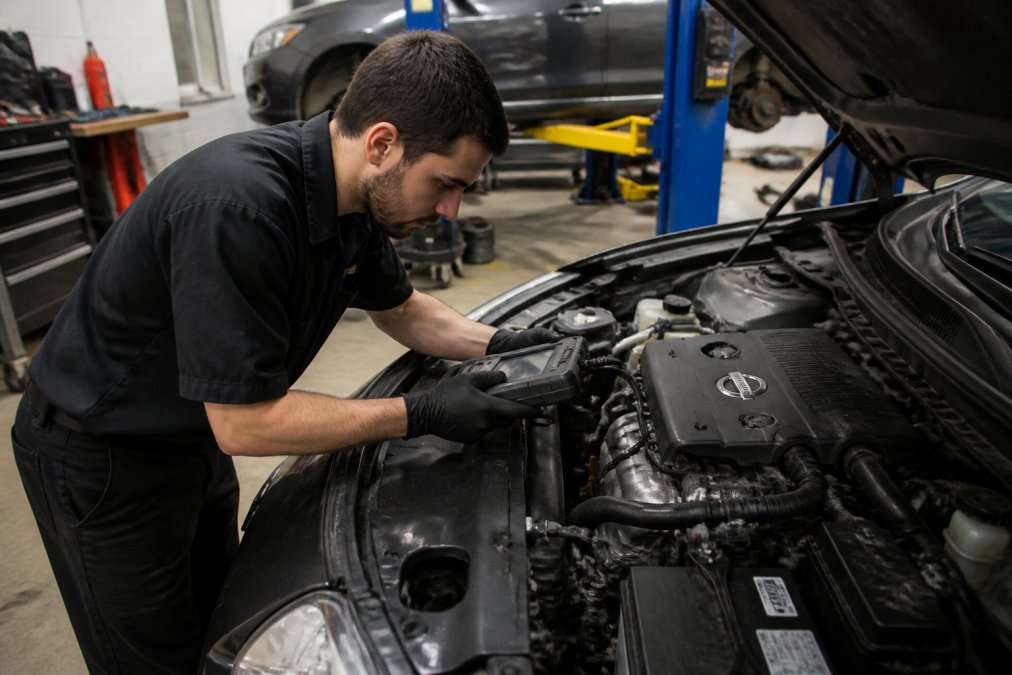
Look for shops with certified technicians who have specific training on Japanese vehicles. Certifications like ASE (Automotive Service Excellence) indicate that technicians have passed rigorous exams and meet industry standards. A shop that specializes in Japanese automobiles has deeper expertise than a general repair facility.
Transparency is non-negotiable. A reliable mechanic explains what's wrong with your vehicle, shows you the problem if possible, provides a written estimate before starting work, and answers your questions honestly. If a shop tries to pressure you into repairs you don't understand or won't explain their recommendations, find another shop.
Ask about warranty coverage on repairs. A reputable shop stands behind its work and offers warranty protection on parts and labor. This protects you if something goes wrong shortly after a repair.
DIY Maintenance Tasks You Can Handle Yourself
Some maintenance tasks are simple enough for owners to handle without special tools or expertise. These basic jobs save money and help you understand your vehicle better.
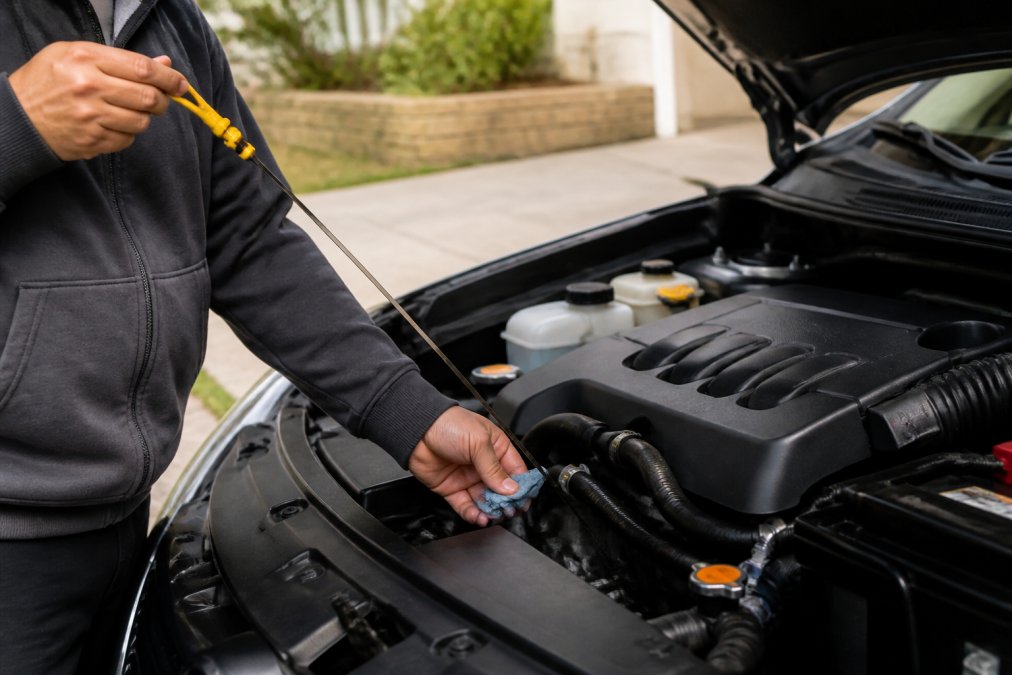
Checking and topping off fluids is the easiest starting point. Your engine oil, coolant, power steering fluid, and washer fluid are all accessible under the hood. Check these monthly or before long trips. If a level is low, top it off with the correct fluid type (check your owner's manual for specifications). This takes five minutes and prevents problems that develop when fluid levels drop.
Replacing air filters is straightforward on most Nissans. Engine air filters and cabin air filters typically clip into place without special tools. A new filter costs less than having a shop replace it, and you can do it in your driveway. Consult your owner's manual or a repair guide for your specific model to find the filter location.
Tire pressure checks require only a tire pressure gauge, which costs a few dollars. Check your tire pressure monthly when tires are cold (before driving or at least three hours after driving). Proper tire pressure improves fuel economy, extends tire life, and maintains safe handling. Your recommended pressure is listed on a sticker inside the driver's door jamb, not on the tire sidewall.
Windshield wipers are another simple replacement. Most auto parts stores will install new wipers for free when you buy them. Worn wipers reduce visibility and can scratch your windshield, so replacing them when they start streaking is worth the minimal effort.
Know your limits. Jobs like brake pad replacement, suspension work, transmission service, or engine diagnostics require specialized tools, training, and knowledge. Attempting these yourself risks damaging your vehicle or creating safety hazards. A professional diagnostic service costs far less than fixing mistakes you might make.
Keeping Your Nissan Reliable Long-Term
Long-term reliability comes from consistent preventative maintenance, prompt attention to warning signs, and honest communication with your mechanic. A Nissan that receives factory-scheduled maintenance and regular inspections will serve you reliably for years and hundreds of thousands of miles.
Build a relationship with a mechanic or shop you trust. When your mechanic knows your vehicle's history, they can spot patterns and anticipate problems before they become serious. This continuity of care is one of the biggest advantages of working with the same shop over time.
Keep detailed records of every service appointment, repair, and maintenance task. These records document your vehicle's care history, protect your warranty coverage, and provide valuable information if you ever need to sell your Nissan. Digital records or a simple notebook work equally well, the important thing is keeping them.
Pay attention to how your vehicle feels and sounds. You spend more time in your Nissan than anyone else, so you'll notice changes in performance, handling, or noise before a mechanic will. Report these observations when you take your vehicle in for service. What seems like a minor detail to you might be exactly the clue a technician needs to diagnose a problem accurately.
Maintaining your Nissan doesn't have to be complicated or expensive. Regular preventative maintenance, prompt attention to warning signs, and working with experienced technicians who understand Japanese vehicles keeps your car reliable and safe. At Speedy Roo Motorsports, our team has spent over two decades helping Nissan owners maintain their vehicles with transparent diagnostics, professional service, and honest communication. When your Nissan needs maintenance or repair, we're here to keep it running dependably.
Frequently Asked Questions
How often should I service my Nissan?
Most Nissans follow a factory-scheduled maintenance plan that recommends service every 6 months or 6,000 miles, whichever comes first, for the first year. After that, intervals typically stretch to 12 months or 10,000 miles for routine oil changes and inspections. Consult your owner's manual for your specific model's maintenance intervals, as luxury Infiniti models may have different schedules than standard Nissan vehicles.
Are Nissans expensive to maintain compared to dealership service?
Nissan maintenance costs are generally reasonable, especially when you choose an independent repair shop instead of the dealership. Independent technicians offer competitive pricing while maintaining the same diagnostic expertise and quality work. You'll avoid dealership markups on labor and parts, making preventative maintenance and repairs significantly more affordable without sacrificing reliability or warranty protection.
What's the difference between independent and dealership auto repair for Nissans?
Dealerships employ factory-trained technicians and use OEM parts, but charge premium labor rates and markups. Independent shops with Nissan expertise offer the same diagnostic services and quality repairs at lower costs. Both can perform scheduled maintenance and handle transmission repair, brake inspection, and engine diagnostics. The key difference is affordability and personalized service, independent shops often provide more transparent communication and faster appointment availability.
What are common warning signs my Nissan needs repair?
Watch for dashboard warning lights, unusual noises during acceleration, soft brakes, or difficulty shifting gears, these indicate transmission repair or brake system issues. Fluid leaks under your vehicle, overheating, or poor engine performance suggest cooling system service or engine diagnostics are needed. Don't ignore these signs; early detection through diagnostic services prevents costly repairs and keeps your vehicle reliable for daily commuting.