 comparison
Affordable Acura Timing Belt Replacement Options
Table of Contents
- Signs of a Failing Timing Belt
- Acura Timing Belt Replacement Cost Breakdown
- Timing Belt Kit with Water Pump: What's Included
- Why Replace the Water Pump at the Same Time
- DIY vs. Professional Timing Belt Replacement
- Finding Affordable Timing Belt Replacement Near You
- What Happens If You Ignore a Worn Timing Belt
- Frequently Asked Questions
Last Updated: August 25, 2026
Signs of a Failing Timing Belt
A failing timing belt typically produces a distinctive ticking or clicking noise from the front of the engine, especially when you first start your Acura. This occurs because the belt has lost tension or developed cracks, causing it to skip as it rotates around the pulleys.
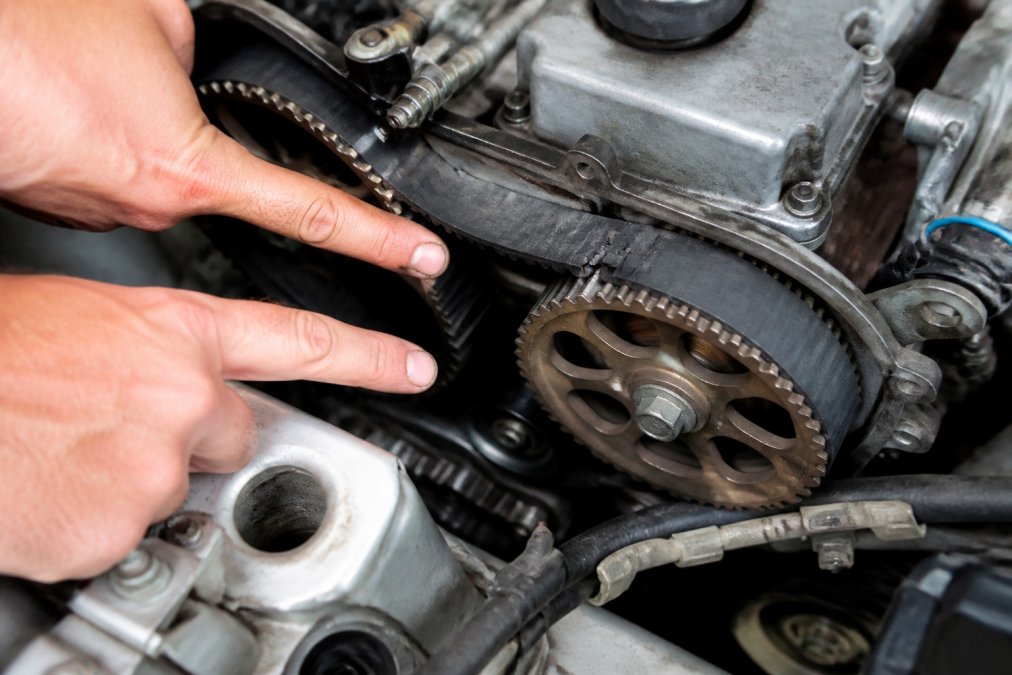
Look for visible signs: fraying edges, cracks, or a glazed appearance on the belt itself. If it resembles cracked rubber or shows white powder residue, that's a warning sign. Oil seeping around the timing cover suggests the seals are deteriorating alongside the belt.
Some drivers experience rough idling or hesitation when accelerating, though these symptoms overlap with other engine issues. The most telling sign is when your check engine light comes on without obvious problems, as a failing timing belt affects engine timing and triggers diagnostic codes related to camshaft and crankshaft synchronization.
The challenge is that some belts fail suddenly with no warning. This is why preventative maintenance and regular inspections matter far more than waiting for symptoms. At Speedy Roo Motorsports, we recommend inspecting your timing belt during routine maintenance visits to catch wear before it becomes critical.
Acura Timing Belt Replacement Cost Breakdown
Understanding the true cost of timing belt replacement requires breaking down each component: the parts themselves, labor hours, and any additional work that should happen simultaneously.
Labor Hours and Shop Supplies
Labor represents the largest portion of your timing belt replacement cost. Most Acura models require 4 to 8 hours of labor, depending on engine configuration and accessibility (acura.com). V6 engines generally take longer than four-cylinder models because the technician must remove more components to access the timing belt.
The work involves removing the engine cover, draining coolant if necessary, disconnecting hoses and belts, and carefully rotating the crankshaft to align timing marks. Each step requires attention to detail because improper timing during reassembly can cause catastrophic engine damage. Shop supplies, gaskets, seals, coolant, and fasteners add a necessary amount to the final bill. Professional shops charge based on documented labor hours rather than flat rates, ensuring the technician isn't rushing through a delicate procedure.
OEM vs. Aftermarket Components
The choice between OEM (Original Equipment Manufacturer) and aftermarket timing belt components significantly affects your total cost. OEM parts come directly from Acura or authorized suppliers and carry a warranty matching the vehicle manufacturer's standards.
Aftermarket components, manufactured by third-party suppliers like Aisin, Gates, or DNJ, are typically less expensive than OEM alternatives. Many aftermarket parts perform reliably with their own warranties. The P2R Power Rev Racing budget timing belt kit, for example, includes a quality Aisin tensioner and DNJ components at a lower price point than OEM equivalents.
If you plan to keep your Acura for many more years, OEM parts justify the additional investment. If you're looking for a dependable solution at lower cost, reputable aftermarket kits deliver solid performance. The Aisin TKH-002 timing belt kit with water pump represents a middle ground: OEM-quality engineering from a respected supplier at a more accessible price.
Timing Belt Kit with Water Pump: What's Included
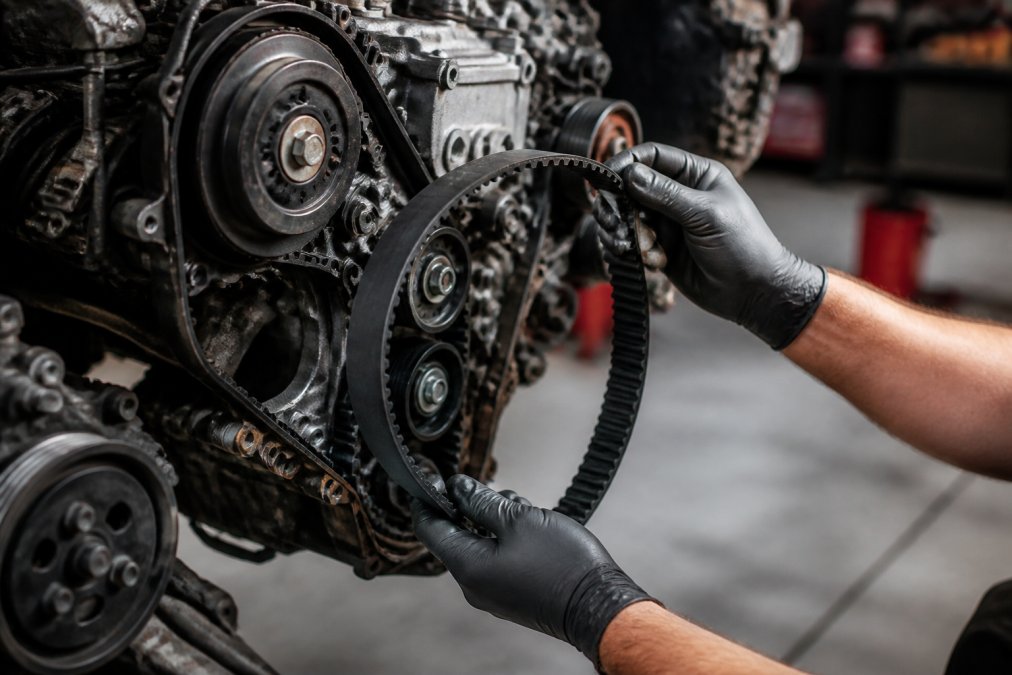
A complete timing belt service package includes far more than just the belt itself. A proper timing belt kit includes the timing belt, the tensioner pulley, and idler pulleys. The tensioner maintains correct belt tension as the belt ages and stretches over time. Idler pulleys guide the belt smoothly around the engine, and worn pulleys accelerate belt deterioration.
Many kits bundle a water pump into the package. Both the water pump and timing belt are driven by the same crankshaft pulley and experience identical heat and vibration. When you're already deep inside the engine replacing the timing belt, replacing the water pump makes economic sense. You pay for labor once instead of twice.
A quality kit also includes new gaskets and seals for the timing cover and water pump housing, preventing oil and coolant leaks after reassembly. Some kits include the serpentine belt and other accessory drive belts as well.
Why Replace the Water Pump at the Same Time
The water pump circulates coolant through the engine block, cylinder head, and radiator, maintaining the precise temperature your engine needs. It's mechanically linked to the timing belt system, driven by the same crankshaft pulley.
Water pump failure typically happens around the same mileage interval as timing belt wear (peer-reviewed research). Both components experience identical heat, vibration, and mechanical stress. If you replace only the timing belt and ignore the water pump, you're gambling that the pump will last another 60,000 to 100,000 miles. Many don't.
Replacing the water pump while the engine is already disassembled for timing belt service costs significantly less than returning later for a separate replacement. You avoid duplicate labor charges and don't risk being stranded if the pump fails unexpectedly. Preventative replacement of the water pump during timing belt service is standard practice among experienced technicians.
DIY vs. Professional Timing Belt Replacement
The decision to tackle timing belt replacement yourself or hire a professional depends on your mechanical skill, available tools, and risk tolerance. This isn't a job where cutting corners saves money; mistakes cost thousands. affordable car service options.
When DIY Makes Sense
DIY timing belt replacement is realistic if you have substantial engine work experience, access to a well-equipped garage, and the right diagnostic tools. You'll need a timing light or dial indicator to verify that the crankshaft and camshaft are properly synchronized during reassembly.
The primary advantage is cost savings on labor. If you're comfortable spending 6 to 8 hours on a precision-critical job and you already own most necessary tools, you can reduce your total expense. Many DIY enthusiasts successfully complete this work using quality aftermarket kits like the P2R Power Rev Racing budget timing belt kit.
The risk is substantial. If your crankshaft and camshaft fall out of synchronization during reassembly, even by a single tooth on the timing gear, your engine will not run (the NIH). You could cause an interference engine condition where the pistons strike the valves, resulting in catastrophic internal damage costing $3,000 to $5,000 or more.
When Professional Service Is Worth It
Professional timing belt replacement is worth the investment for most Acura owners. A qualified technician brings experience, specialized tools, and accountability. They understand your engine's specific quirks, verify proper timing with precision instruments, and stand behind their work with a warranty.
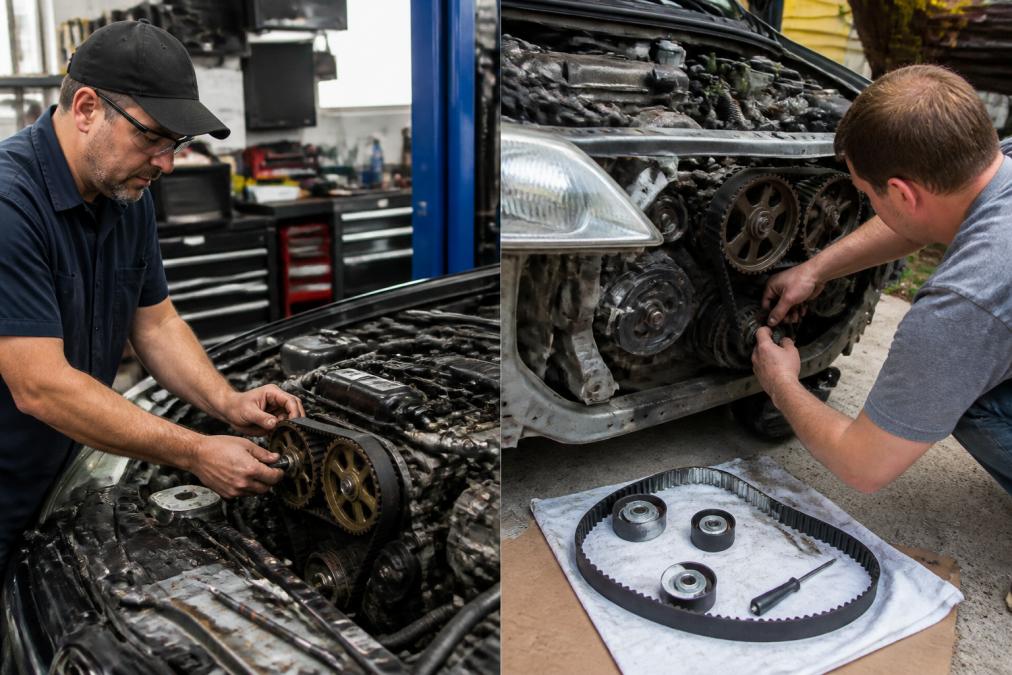
A professional shop can also identify secondary issues during the job, worn accessory drive belts, deteriorating hoses, or cooling system problems, that you might miss. They'll catch these problems while the engine is already disassembled.
At Speedy Roo Motorsports, our technicians have completed thousands of timing belt replacements on Acura and other Japanese vehicles. We understand the specific requirements for each model year and engine configuration, use quality components, verify timing with precision tools, and warranty our work.
Finding Affordable Timing Belt Replacement Near You
Locating an affordable, trustworthy shop requires knowing what to look for beyond the lowest quoted price. Start by gathering multiple quotes from independent repair shops and dealerships. Ask each shop specifically about their labor hours, parts options (OEM vs. aftermarket), and whether they include water pump replacement.
Independent repair shops specializing in Japanese vehicles often provide better value than dealerships without sacrificing quality. They typically charge less than dealership labor rates and are more likely to offer quality aftermarket component options.
Check reviews and ask for references. Look for shops that have completed timing belt work on your specific Acura model. Ask about warranty coverage on both parts and labor. Reputable shops warrant their timing belt work for 12 months or 12,000 miles minimum.
Speedy Roo Motorsports has served the Aurora and Denver Metro area since 2002, specializing in Japanese vehicle maintenance and repair. We provide transparent pricing, quality workmanship, and warranty coverage on all timing belt replacements.
What Happens If You Ignore a Worn Timing Belt
A severely worn timing belt eventually slips or breaks. When the belt slips, your engine's timing becomes erratic and the crankshaft and camshaft fall out of synchronization, causing misfires, rough running, and loss of power.
If the belt breaks completely, your engine stops immediately. You'll be stranded and face towing costs.
The worst-case scenario involves an interference engine. Many Acura models use interference engines, where the pistons and valves occupy the same space at different points in the combustion cycle. When timing is disrupted, the pistons can strike the valves directly, bending or breaking them and damaging piston crowns. The resulting damage requires engine rebuild or replacement, a $4,000 to $8,000+ repair.
A worn timing belt that breaks without warning can trigger this catastrophic failure instantly. Ignoring timing belt wear also risks collateral damage to the water pump, tensioner, and serpentine belt simultaneously.
Timing belt replacement is one of those maintenance tasks that feels expensive until you consider the alternative. A worn timing belt in an Acura isn't a problem that improves with time; it's a ticking clock counting down to a breakdown or catastrophic engine failure.
The best approach is preventative: follow your Acura's maintenance schedule, have your timing belt inspected regularly, and plan for replacement before wear becomes critical. When it's time for the job, choose a shop that prioritizes quality and transparency. Speedy Roo Motorsports specializes in timing belt replacement for Acura and other Japanese vehicles, offering experienced service, quality components, and warranty coverage. Contact us for a transparent quote and professional service that protects your vehicle's long-term reliability.
Frequently Asked Questions
How often should an Acura timing belt be replaced?
Most Acura models require timing belt replacement between 60,000 and 100,000 miles, depending on the specific model year and engine type. Check your owner's manual or service bulletin for your vehicle's exact interval. Replacing it on schedule prevents catastrophic engine failure and protects your investment. Regular preventative maintenance keeps your engine running reliably for years.
What happens if an Acura timing belt breaks while driving?
If your timing belt breaks while driving, your engine stops immediately and cannot restart. On interference engines, which most Acuras have, a broken timing belt causes the crankshaft and camshaft to lose synchronization. This results in piston contact with open valves, causing catastrophic engine failure and valve damage. Repair costs can exceed $3,000 or more, making preventative replacement far more affordable than dealing with engine damage.
What parts are included in a complete timing belt kit with water pump?
A comprehensive timing belt kit typically includes the timing belt, tensioner, idler pulleys, and gaskets. When bundled with a water pump, you get everything needed for a complete timing system overhaul. The water pump is included because it shares the same service interval and location, making simultaneous replacement efficient. OEM kits ensure proper fit and function across all components, reducing the risk of premature failure.
Is it cheaper to replace a timing belt at an independent shop versus a dealership?
Independent repair shops often provide more competitive pricing than dealerships while maintaining quality standards. Dealerships charge premium labor rates and may include unnecessary service packages. Independent shops with certified technicians can deliver the same quality work at lower cost. Request a service quote from multiple shops to compare pricing, but prioritize experience with your specific Acura model over price alone.
Can I replace my Acura timing belt myself to save money?
DIY timing belt replacement requires specialized tools, significant mechanical knowledge, and proper diagnostic equipment. Mistakes during installation can cause catastrophic engine damage, negating any cost savings. If you lack experience with engine work, professional installation is worth the investment. For simple maintenance tasks like fluid changes, DIY makes sense; for timing belt work, professional service protects your engine and warranty.